
Calm by design: no timers, no energy, just the night sky
Why Apsis has no timers or energy, where its few ads sit, how three hearts keep it gentle, and what the sound, music and vibration settings do.
On this page
Apsis is meant to be the game you open when you want five quiet minutes. That was a design goal from the first day, and it shaped almost every decision, from the colour of the sky to what happens when you make a mistake. This post covers what we left out, what we put in instead, and what the settings do.
What is not in the game
- No timer. Nothing moves unless you tap it. You can look at a board for as long as you like.
- No ad in the middle of anything. The Android app has a few ads, and none of them ever covers the sky, interrupts a level or pops up after a miss. There is more on them below.
- No energy or lives system. You can play as many levels in a row as you want.
- No account, and no need for the internet. The game plays completely offline. The Android app goes online only for its ads and the Supporter pack.
- No move limit. Every level takes exactly one tap per arrow, so there is nothing to count.
The only pressure is three hearts per level, and even that is gentle. A miss never changes the board: the arrow springs back to exactly where it was, and every other arrow stays put. Running out of hearts means Retry, not a penalty, and any stars you earned before stay earned.
A sky, not a screen
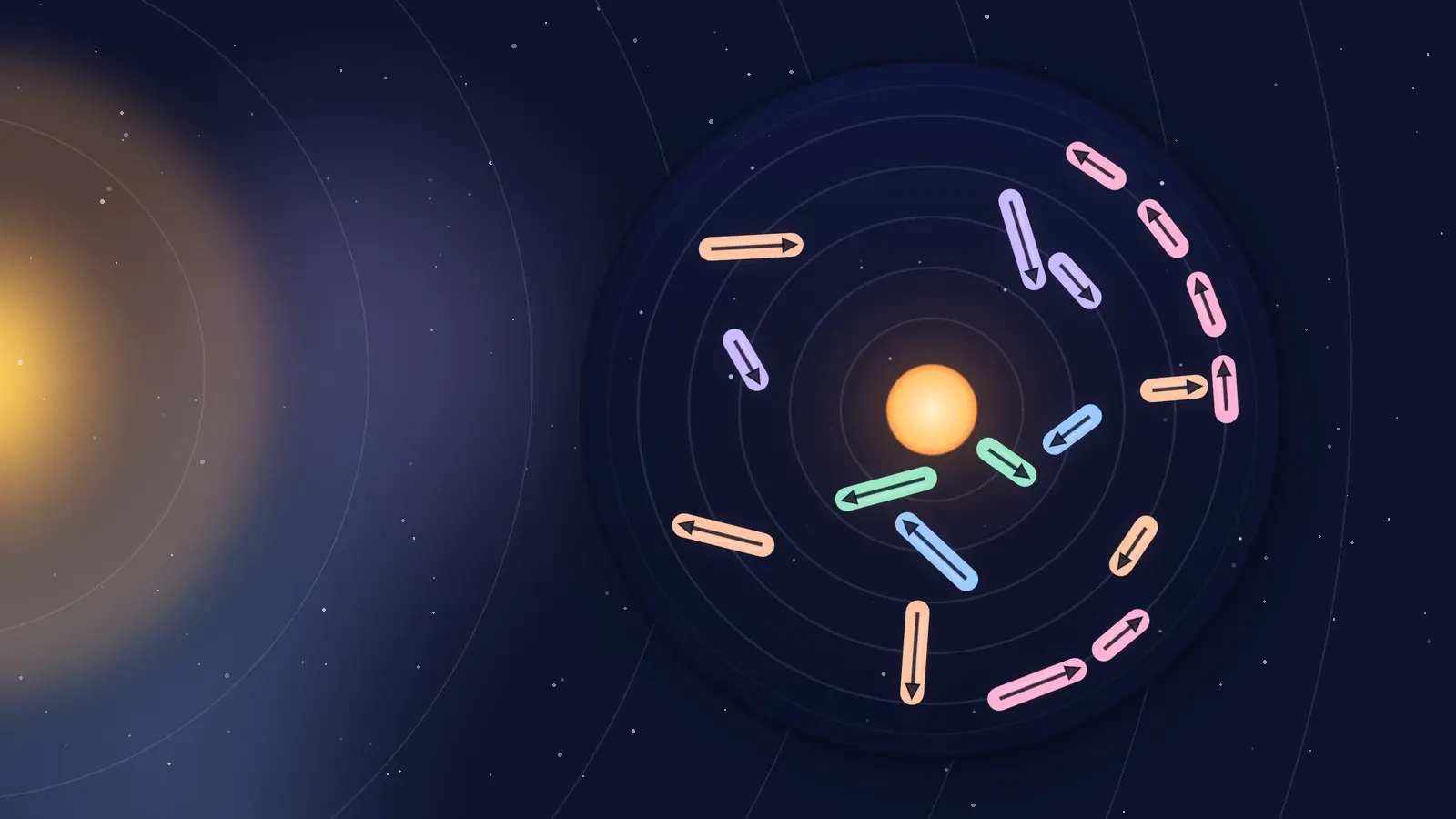
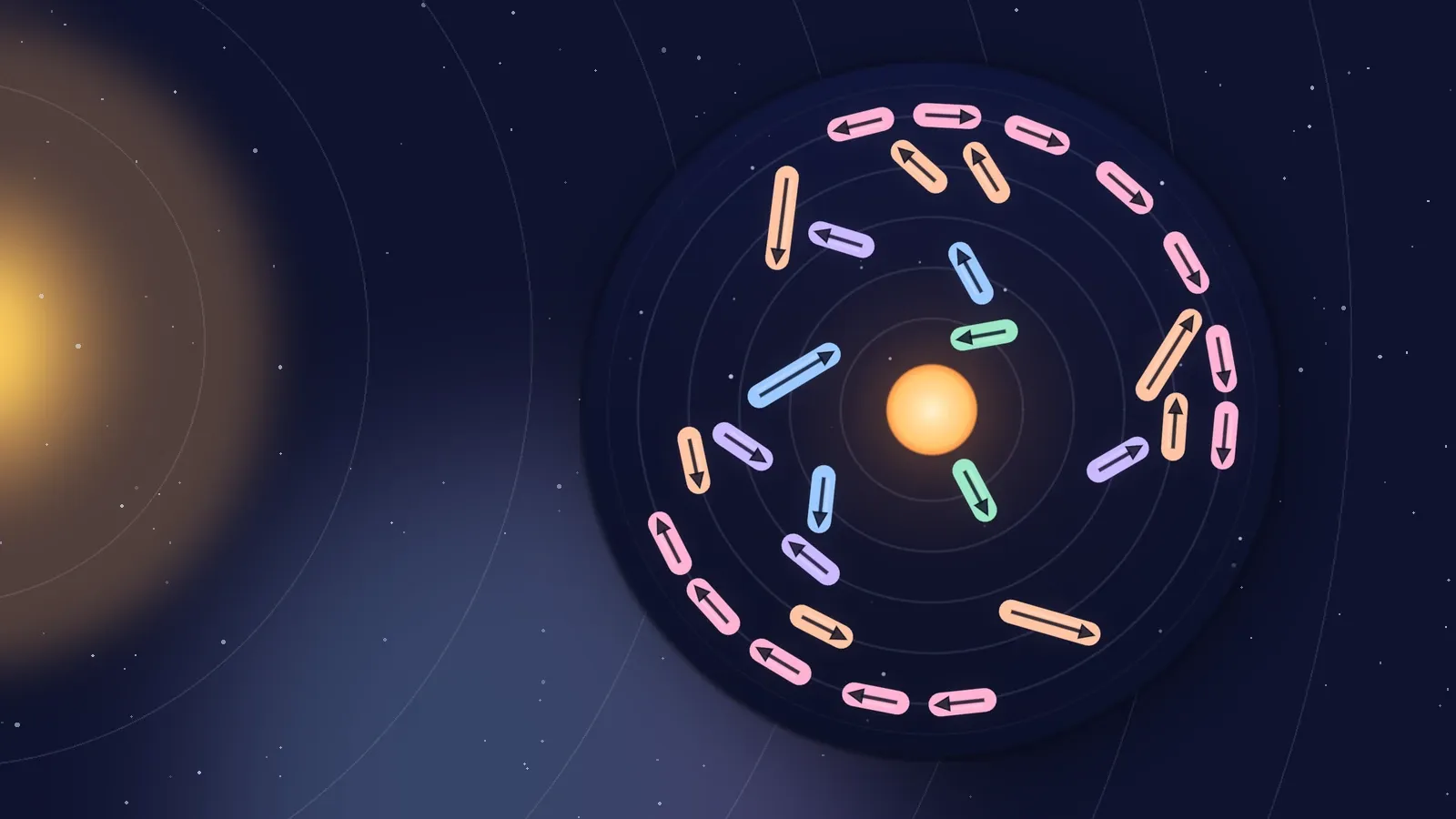
Everything in Apsis happens against the night. The background is a deep navy that shades darker toward the bottom, with a faint violet haze near the top, and a sparse field of stars that twinkle slowly, each on its own rhythm, so the sky never pulses as one. It is a single sky under every screen, and it keeps twinkling through the fades between them instead of starting over.
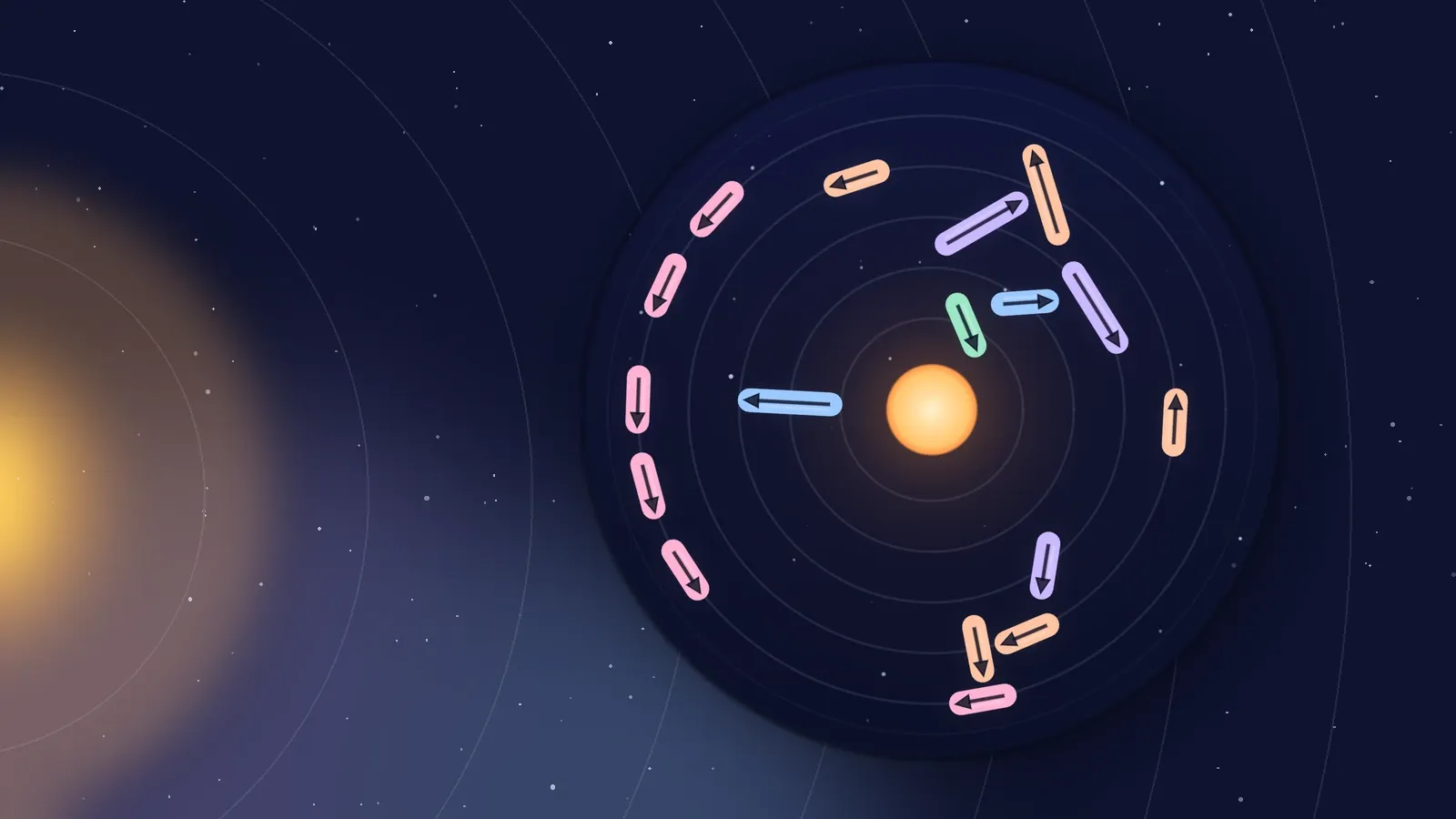
In the middle sits a warm sun, and around it a few orbits drawn so faintly they are almost not there. The arrows are soft pastels, one colour per orbit, so the arrows on the same orbit read as a family at a glance.
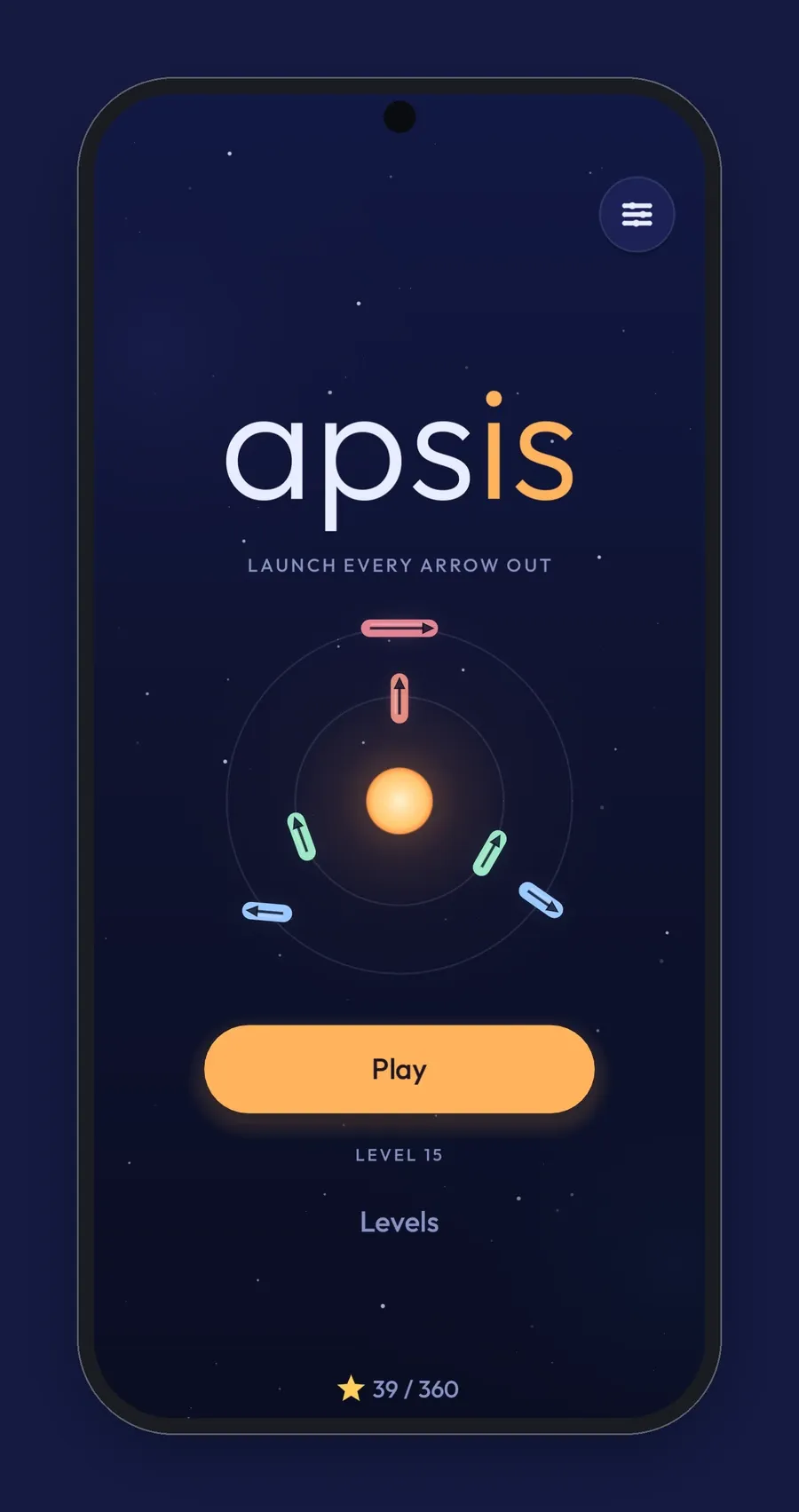
The title screen has its own small system that plays itself: it bounces one blocked arrow, then launches the free ones in turn, and loops. It makes no sound, so it never competes with the music.
Sounds that can’t go wrong
Every sound in Apsis is synthesised in code for the game, and each one was tuned to be soft.
- A launch is a short whoosh, slightly lower for long arrows.
- A miss is a soft bump, and the heart that goes has its own small sound as it drops out of the row.
- As each arrow leaves, a chime rings, and this is the part we like best. The notes come from a C major pentatonic scale over two octaves. The first arrow out rings the lowest note and the last rings the highest, whatever order you tap in, so every cleared level plays a rising run. Pentatonic notes all sit well together, so it can never sound wrong.
Music for the night
The music is a 40-second loop, also made in code: four wide, low chords in D, ten seconds each with long swells, and a few faint high bells from the same pentatonic scale, like stars coming out. The end folds back onto the start, so there is no seam. It is mixed well under the chimes, so the notes you make are always the clearest thing you hear.
It fades in and out gently when you switch it on or off.
The settings
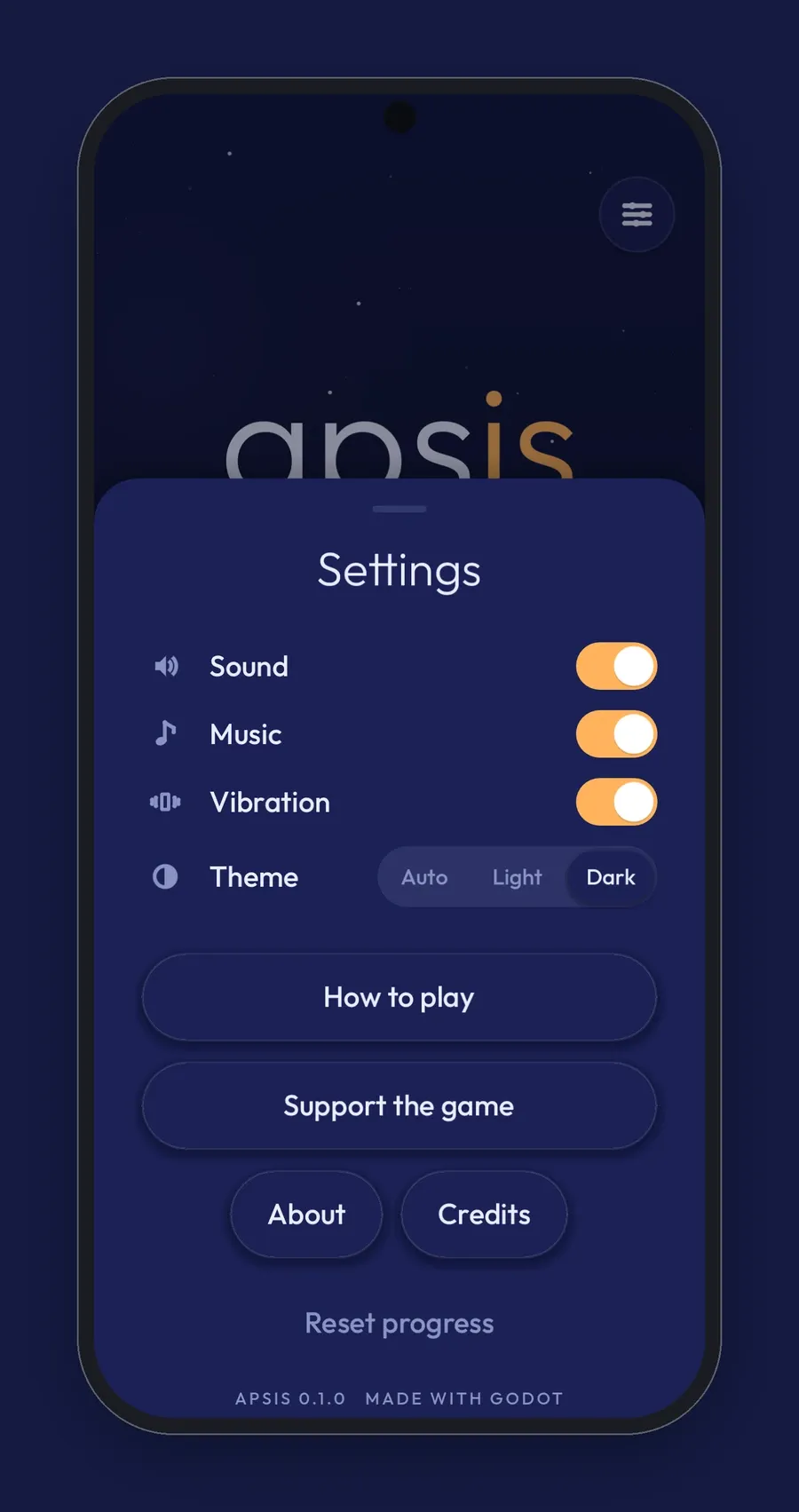
The settings sheet opens from the gear on every screen, even in the middle of a level, so the music is always one tap away. It has:
- Sound, for the launches, bumps and chimes;
- Music, for the night loop, separate from the sounds, so you can have one without the other;
- Vibration, a short buzz on each launch and a slightly longer one on a miss;
- Theme: Dark is the night sky Apsis was designed in, Light is the same system at dawn, and Auto follows your phone;
- How to play, which replays the first level’s short guide;
- About and Credits, which say who made the game and what it is built with;
- Support the game, which opens the Supporter pack in the Android app, and GitHub Sponsors in the web version;
- Privacy choices, shown only where the law asks for a choice about ads, to change the one you made;
- Reset progress, which asks you to tap again before it erases your stars, and keeps your settings.
All of this is saved on your device, along with your stars. None of it is sent anywhere. The privacy policy has the details.
A few ads, kept out of the way
Apsis is free, and the Android app pays its way with a few ads, placed where they never touch a puzzle:
- a banner at the bottom of the level list, and one below the sky while you play, never over it;
- now and then an ad between levels, only after you tap Next level on a cleared sky, and never before you have solved the first dozen;
- a short video you can choose to watch for an extra hint, once the day’s free hints are used.
If you would rather have none at all, the Supporter pack is a one-time purchase in the app that turns them off for good and makes every hint free. The web version never shows ads. Without a connection, the ads simply do not appear, and the game plays the same. The ads come from Google, which collects some data to show them; the privacy policy explains what, and how to change your choices.
Progress at your own pace
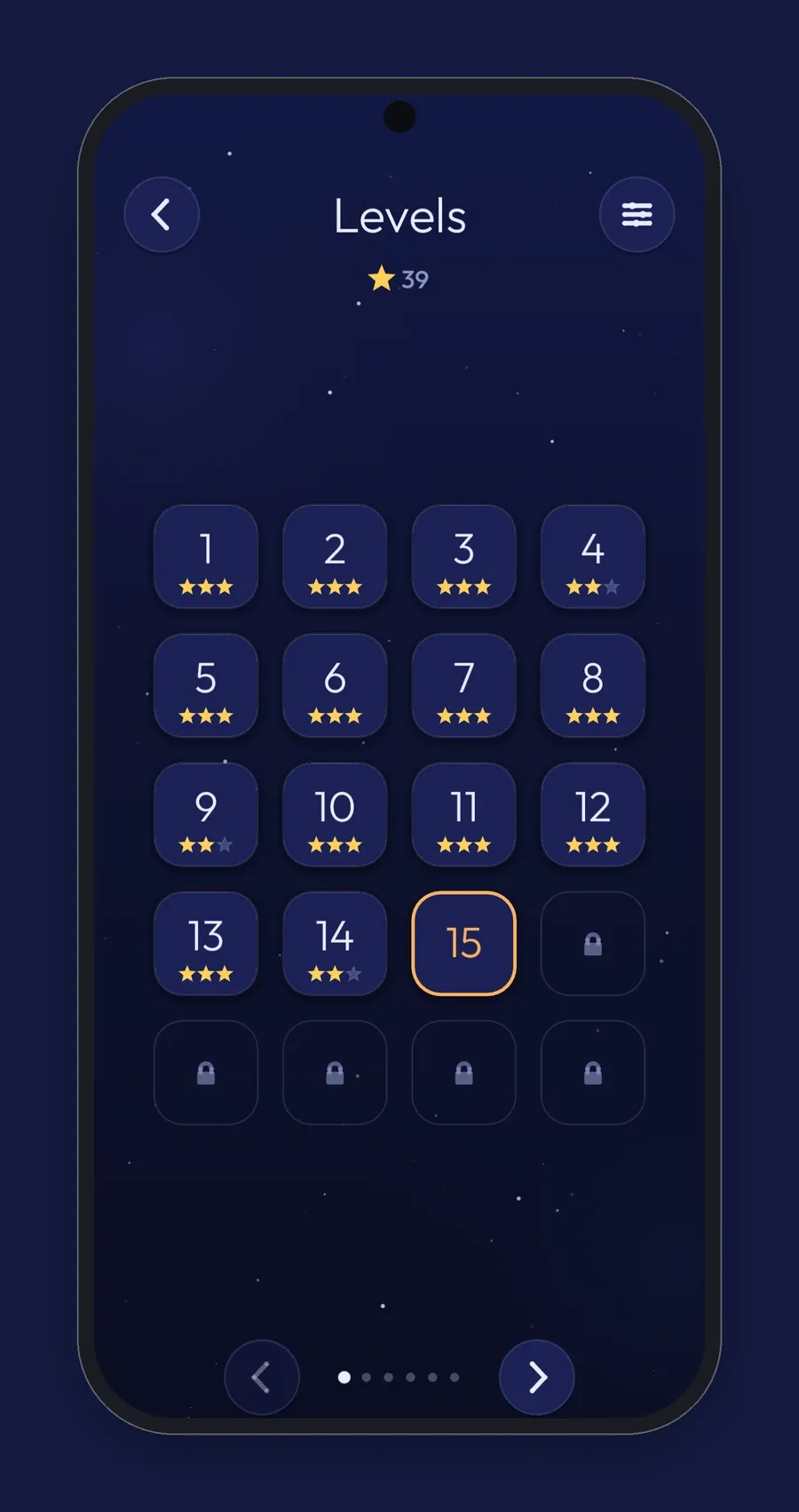
The level grid shows twenty levels a page, with the stars earned on each and the next level ringed in the sun’s orange. Levels unlock one at a time: clear a level, with any number of stars, and the next one opens. Play always takes you to the first level you have not cleared yet.
Why calm matters for a puzzle
Pressure and puzzles pull in opposite directions. A timer makes you guess, and guessing is the opposite of reading the board. Apsis has one rule and every answer is visible on screen, so the best thing the game can do is give you room to see it.
If you like this kind of game, the beginner tips will help you keep all three hearts, and how to play covers the rules.
Written by

Shravan Goswami
Game designer and developer
Claude Opus 5.5
AI co-developer
Comments
Sign in with GitHub to leave a comment or a question.