How to play Apsis: the rules in two minutes
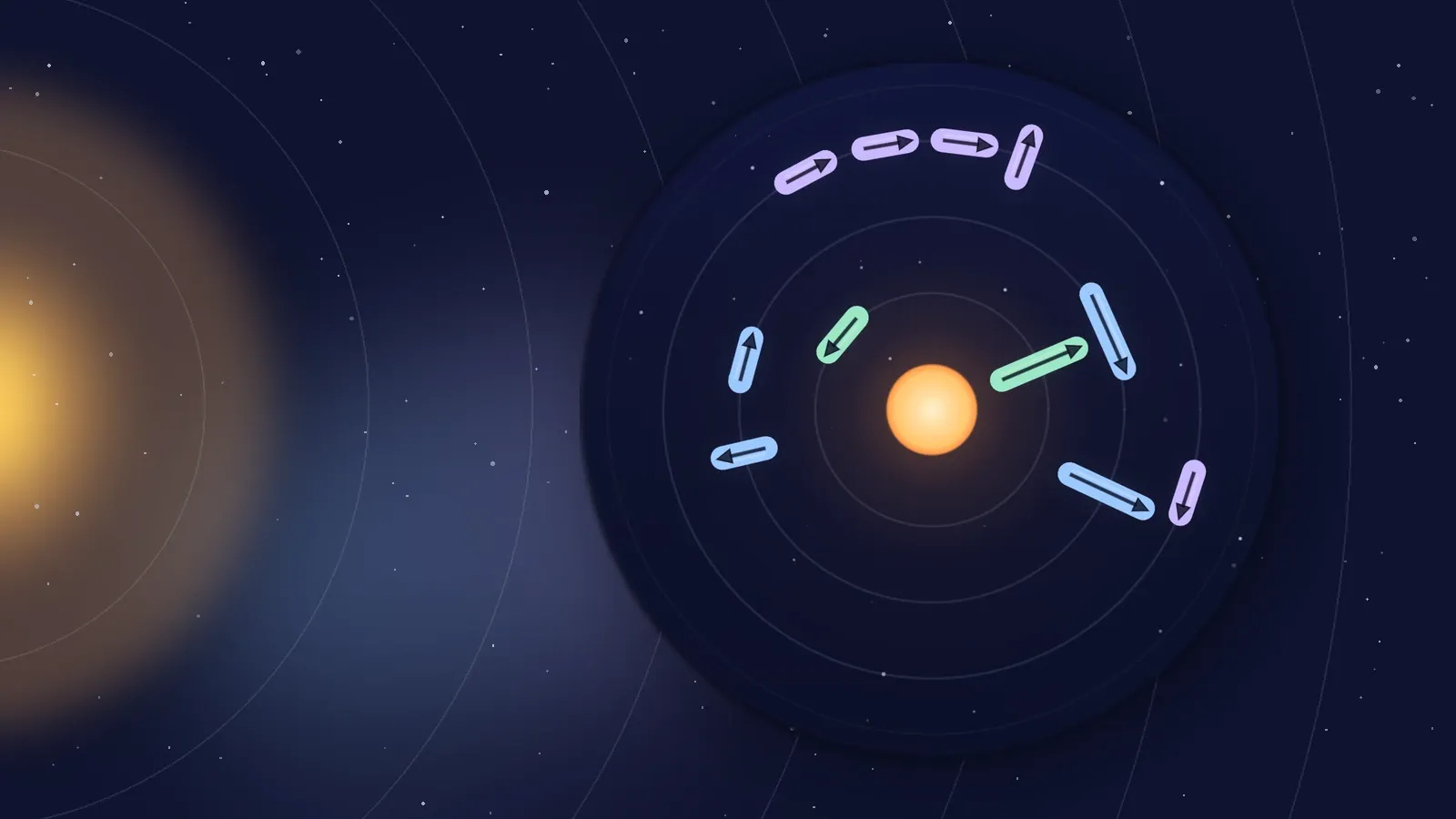
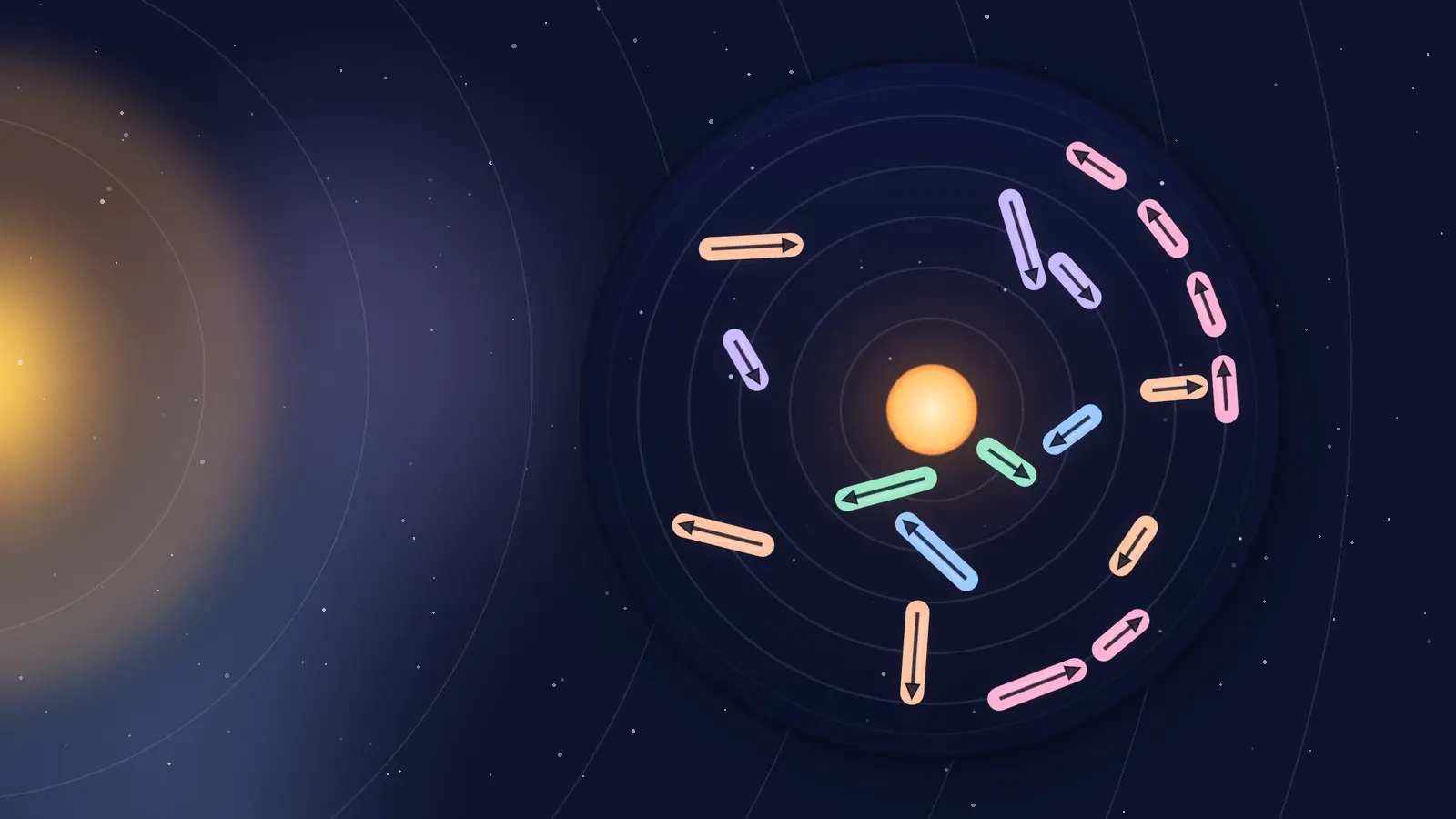
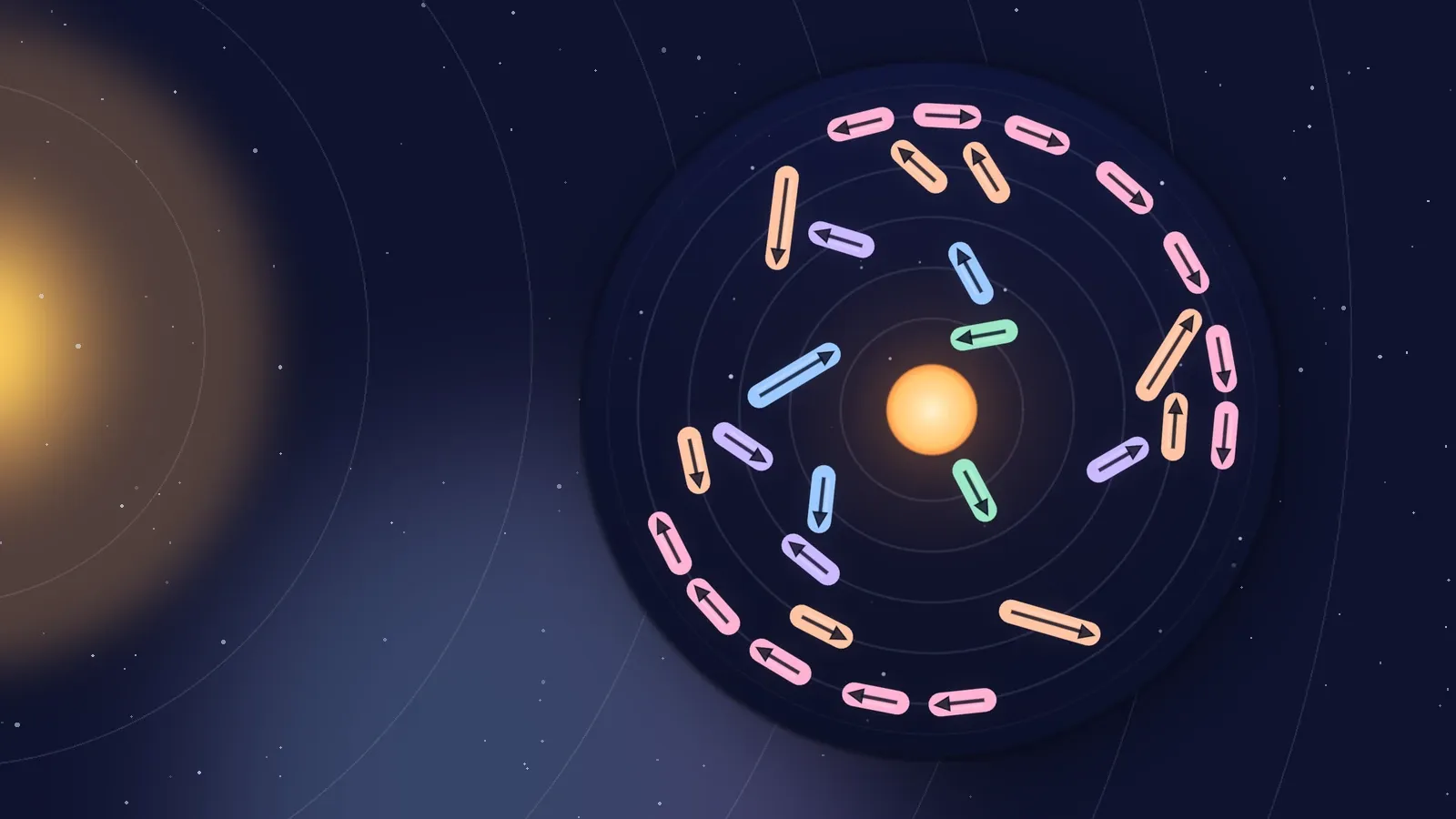
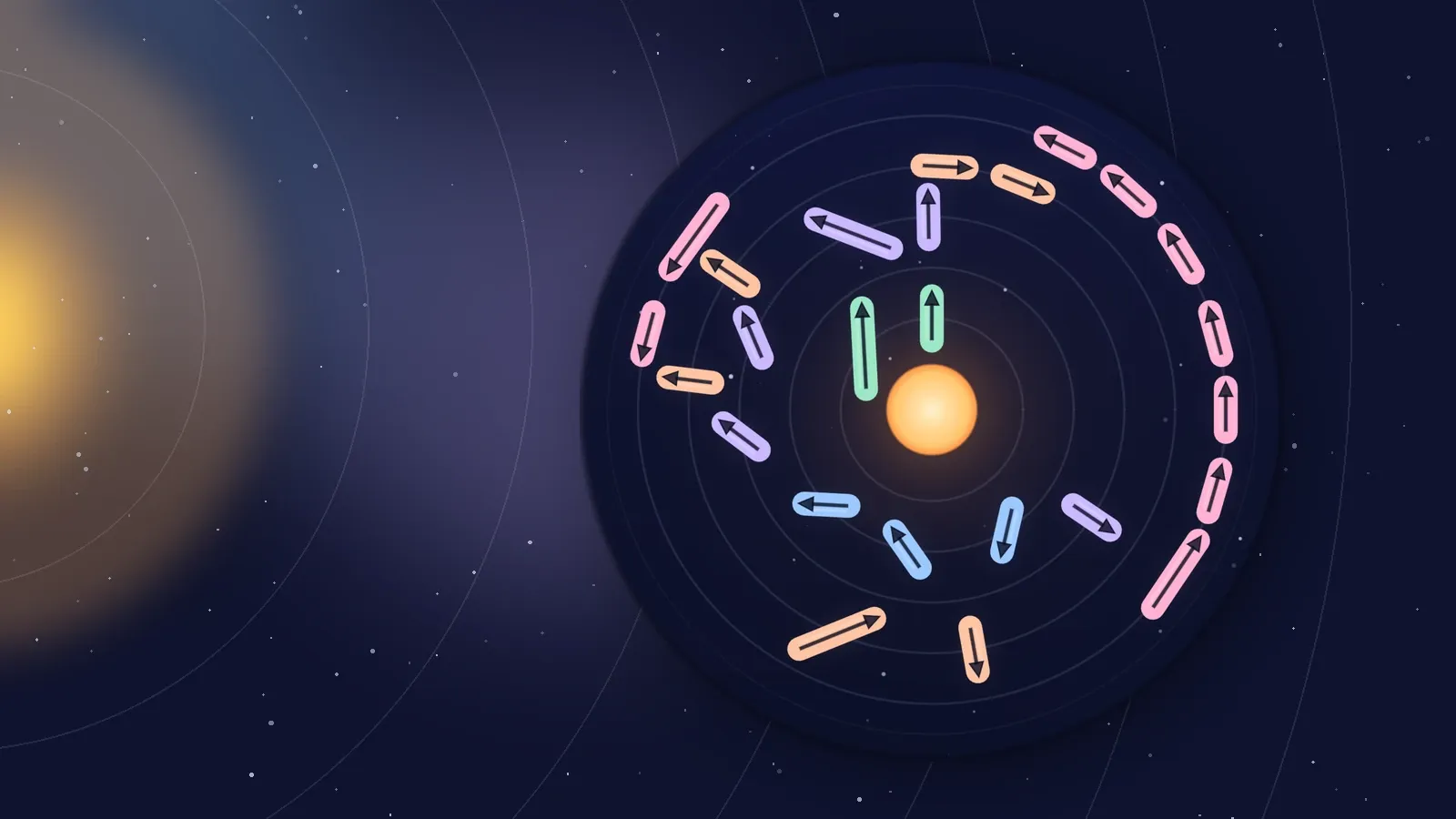
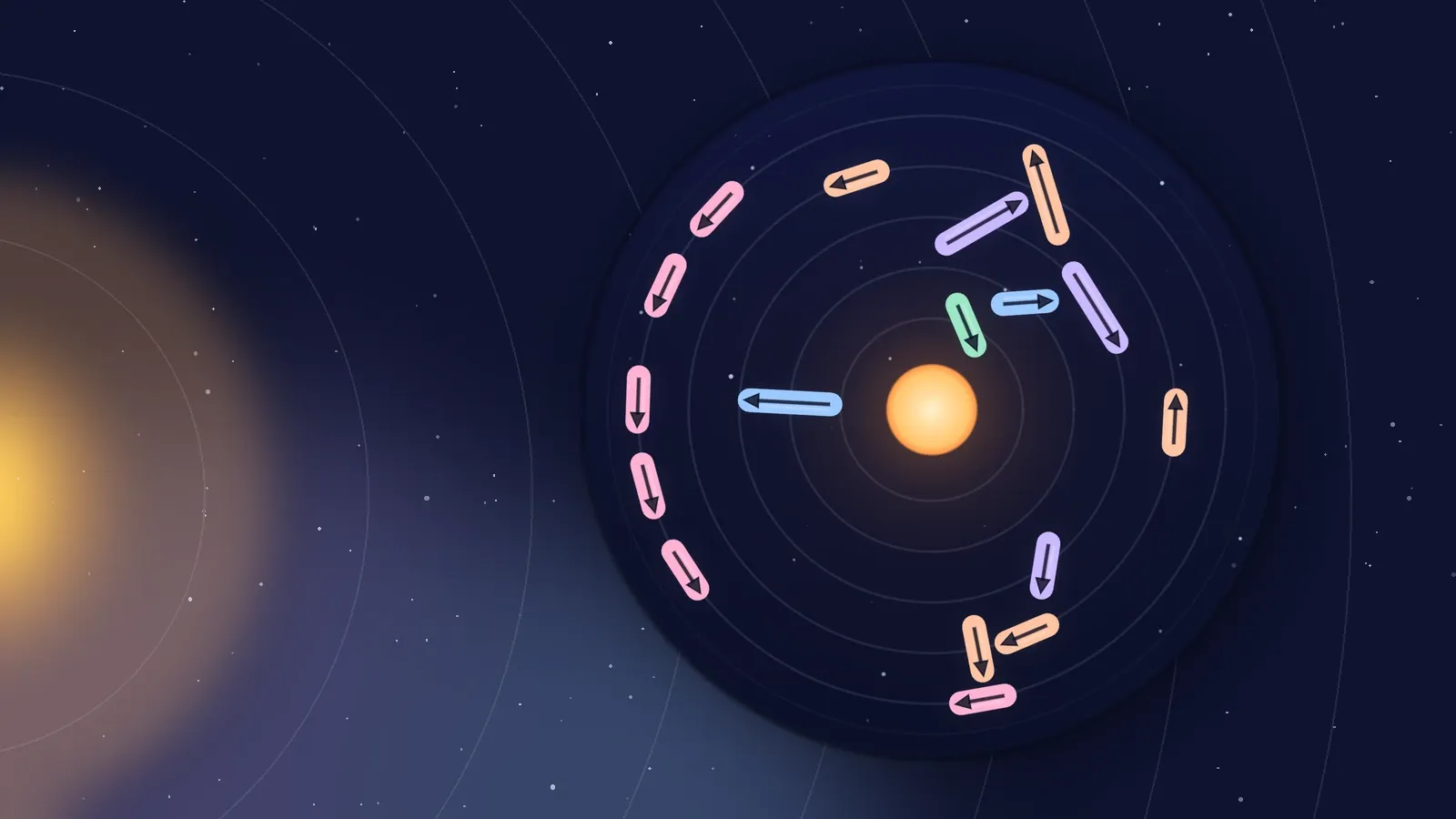
Learn to play Apsis, the arrow puzzle on orbits: tap an arrow and it flies straight out if its path is clear, or bounces back and costs a heart if not.
The Apsis blog
How to play, how to read a crowded sky, what the name means, and what goes into a puzzle game built by a two-person team.
Learn to play Apsis, the arrow puzzle on orbits: tap an arrow and it flies straight out if its path is clear, or bounces back and costs a heart if not.
Seven habits for Apsis: find the free arrows first, read the band and not the line, respect long arrows, and follow straight paths across curved orbits.
Why Apsis has no timers or energy, where its few ads sit, how three hearts keep it gentle, and what the sound, music and vibration settings do.
Behind the scenes: how Apsis builds every level backwards so it can always be cleared, measures difficulty in reads, and makes sure no level repeats another.
What Apsis's hint shows, how it picks which arrow to light, why a hinted tap can never miss, and what happens if you ask while an arrow is still flying.
Apsis is made by Shravan Goswami and Claude Opus 5.5, an AI model by Anthropic. Who did what, how the work was checked, and what we learned building it.
How Apsis decides exactly what a flying arrow hits, why paths along an orbit catch their neighbours, and how the game works out which arrow your finger meant.
Why Apsis scores misses instead of moves, how three hearts become your stars, what a miss really costs, and a simple routine for clearing levels without one.
An apsis is the point in an orbit nearest to or farthest from the body it goes around: periapsis, apoapsis, perihelion and apogee, explained.