Orbits made simple: the maths behind one thumb in Sunwise
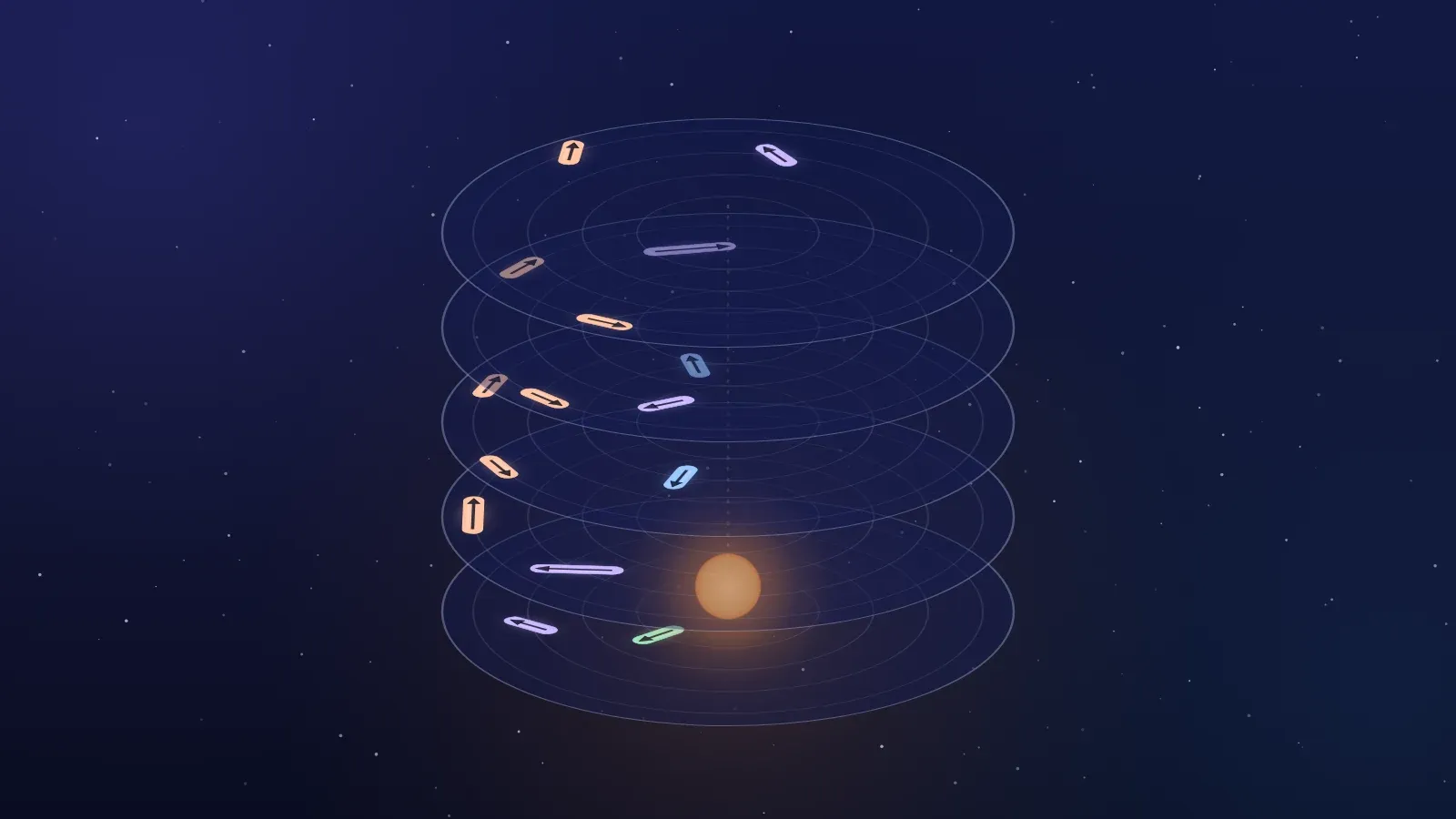
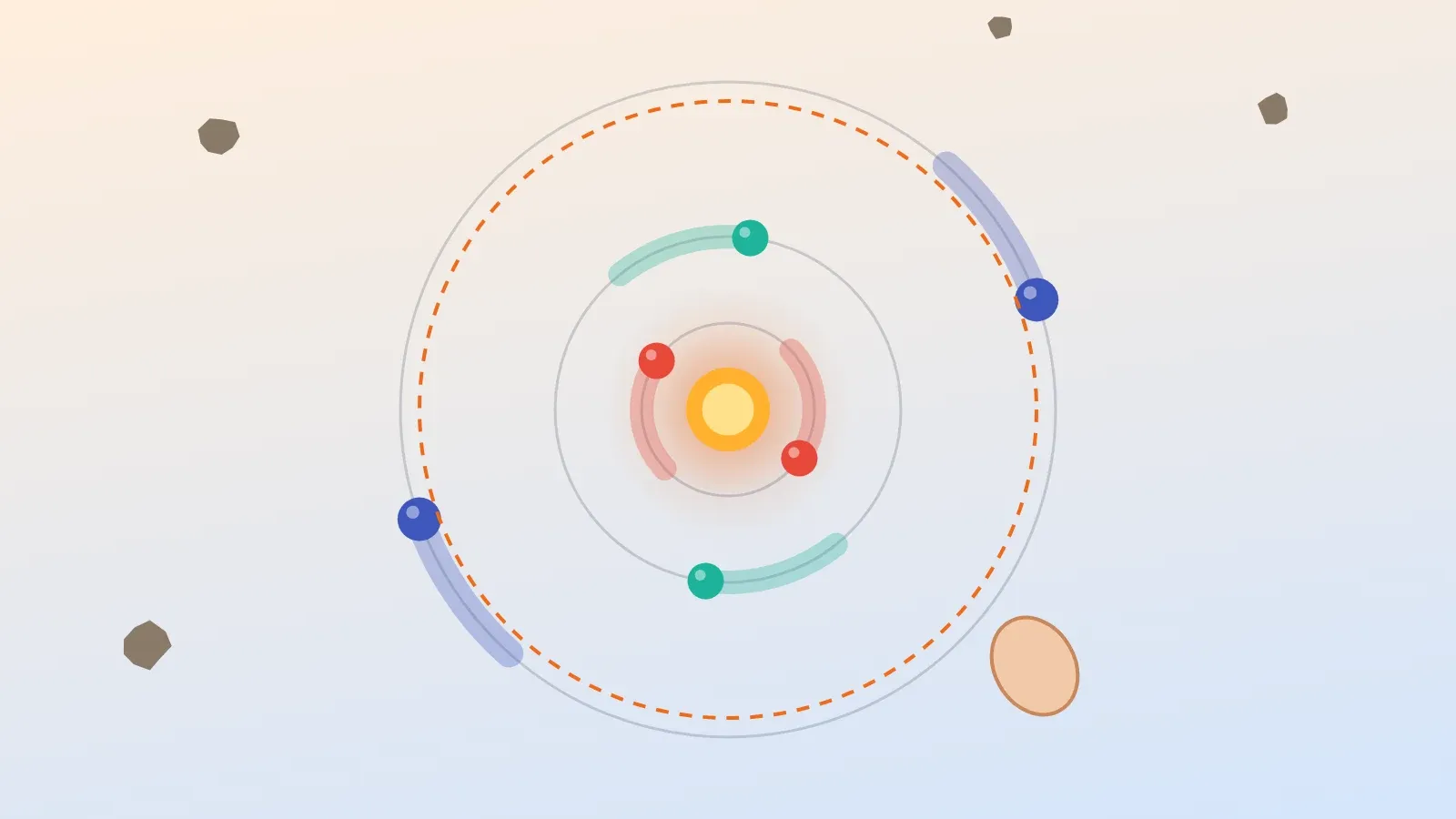
In Sunwise your thumb only sets how wide your planets swing. Why the ring moves like a spring, why tight rings spin fast, and why it sits a little inside your thumb.
9 posts
In Sunwise your thumb only sets how wide your planets swing. Why the ring moves like a spring, why tight rings spin fast, and why it sits a little inside your thumb.
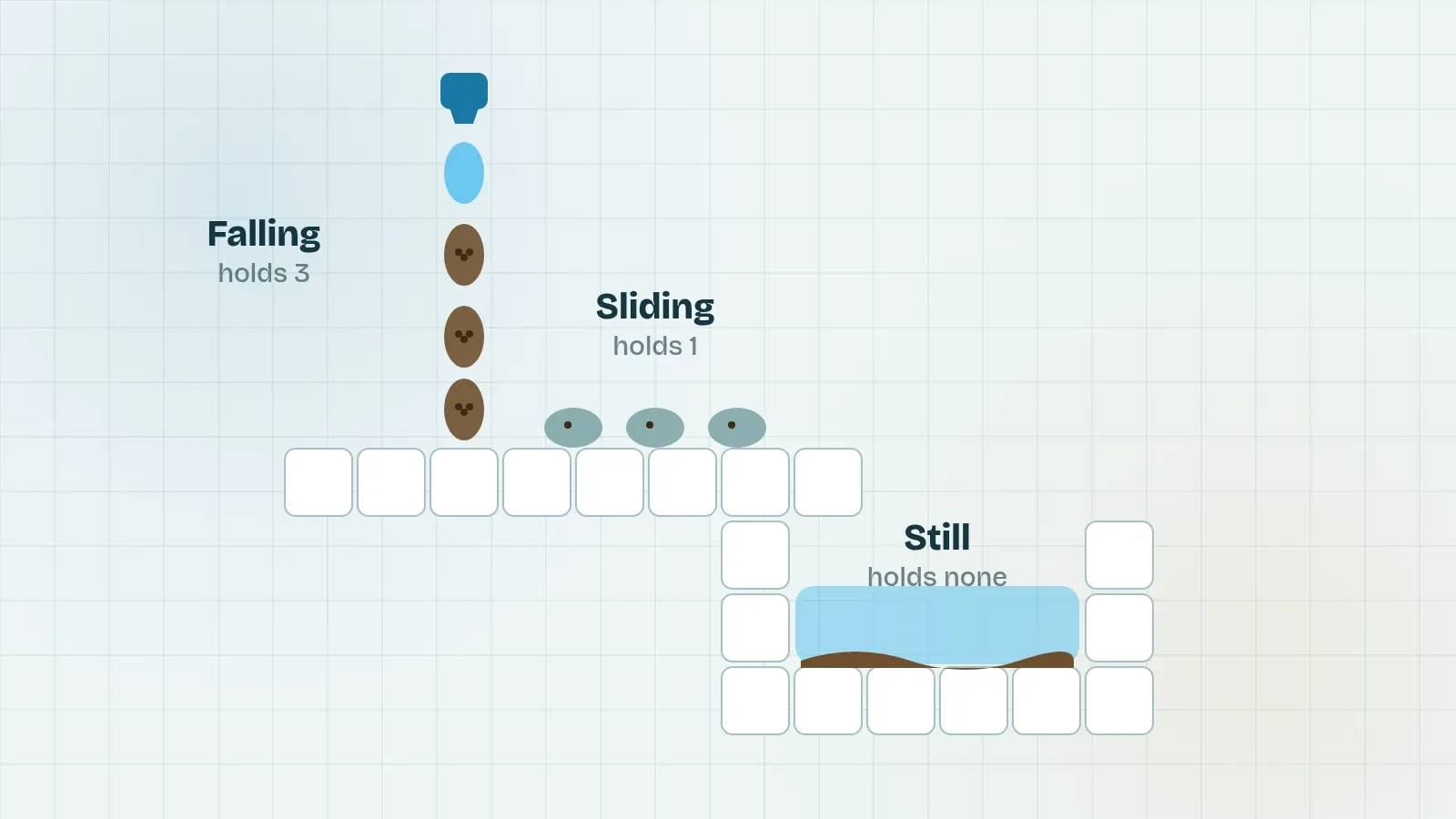
In Rinse, falling water scrubs, sliding water carries a little and still water drops its dirt. How the water works, and how that turns washing into a puzzle.
Why no box in Hako can ever get stuck, how its goal is the true fewest moves, how a program climbs to deep boxes, and why the boxes only get harder.
Every Seiche pond has one answer you can read without a guess. How the ponds are built, what a what-if is, where the hint comes from and why ponds only get harder.
Every Pyxis level starts as a finished web and is tangled backwards. Here is how the webs are drawn, tangled, measured and put in order, chapter by chapter.
How Apsis builds each level backwards so it can always be cleared, aims arrows to block, measures difficulty in reads, orders the levels and refuses repeats.
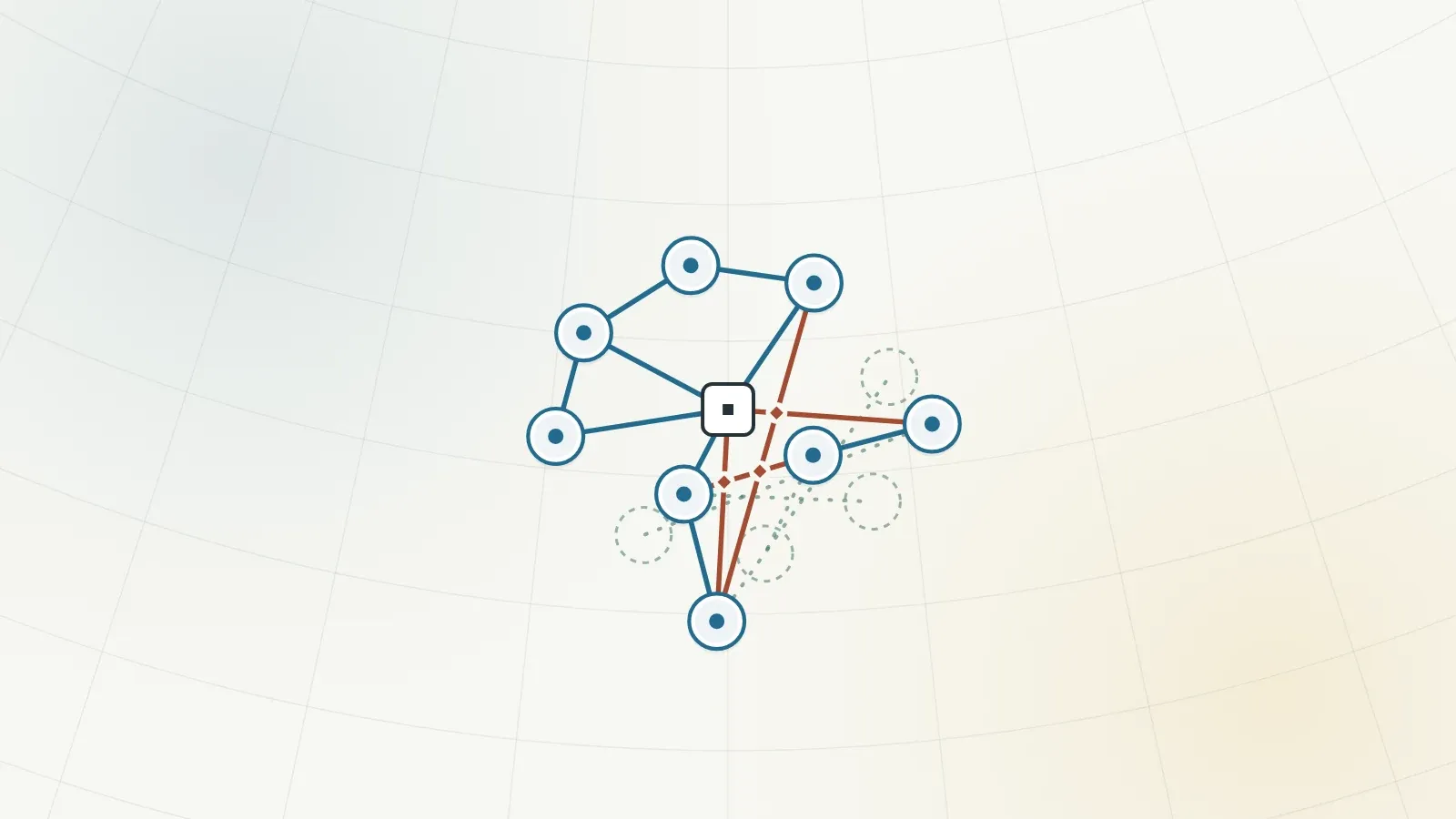
A Carillon field is a directed graph, a chain is a shortest-path search, and the goal is a count of source components, right up until the rules start to bend it.
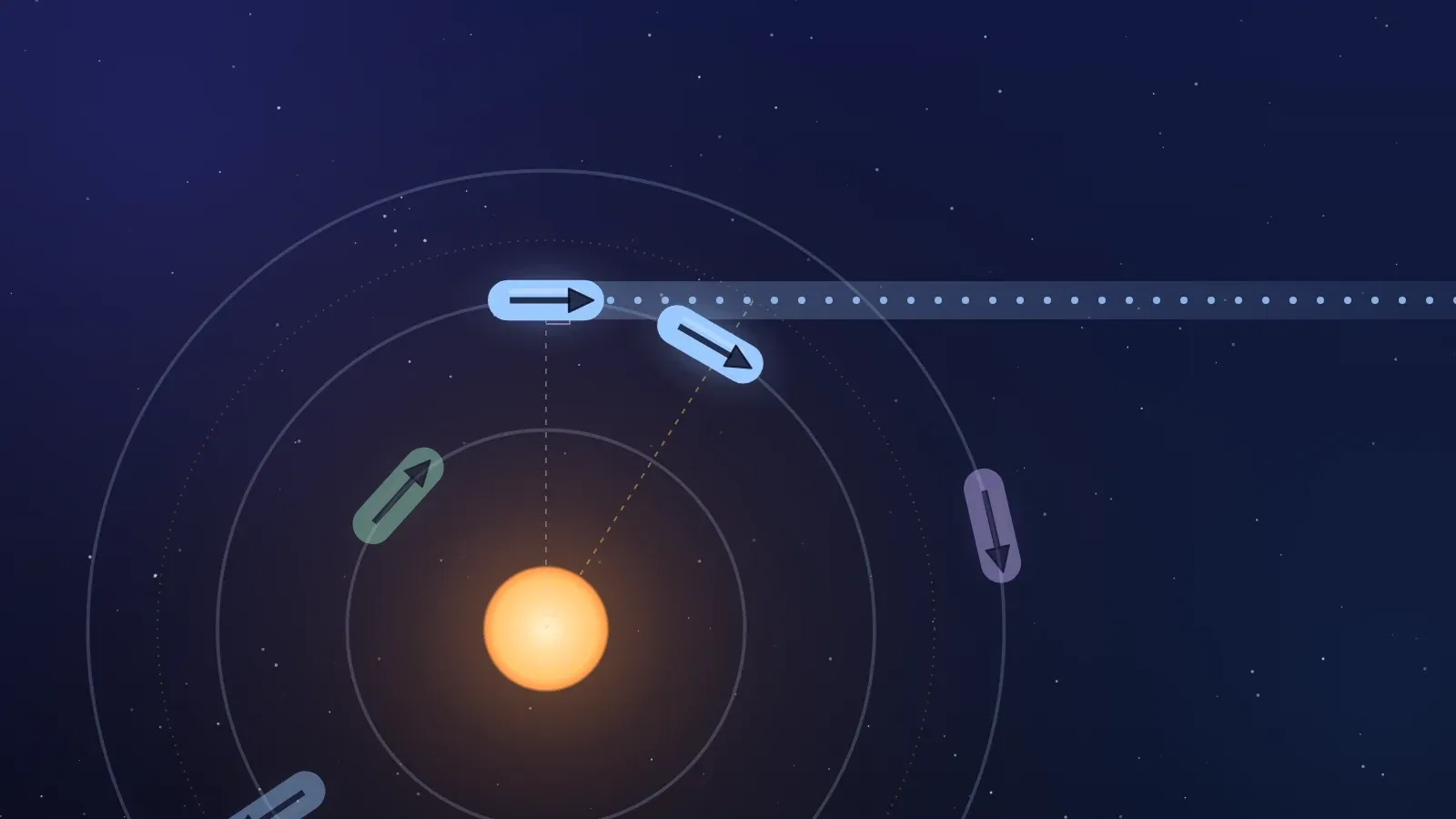
How Apsis works out exactly what a flying arrow hits, why an arrow along its ring catches the one ahead, how close arrows pass the sun, and which arrow you meant.
Plumb has only four moves, yet its longest levels take over twenty tilts. How moving every marble at once grows a vast tree of sequences that folds into few positions.