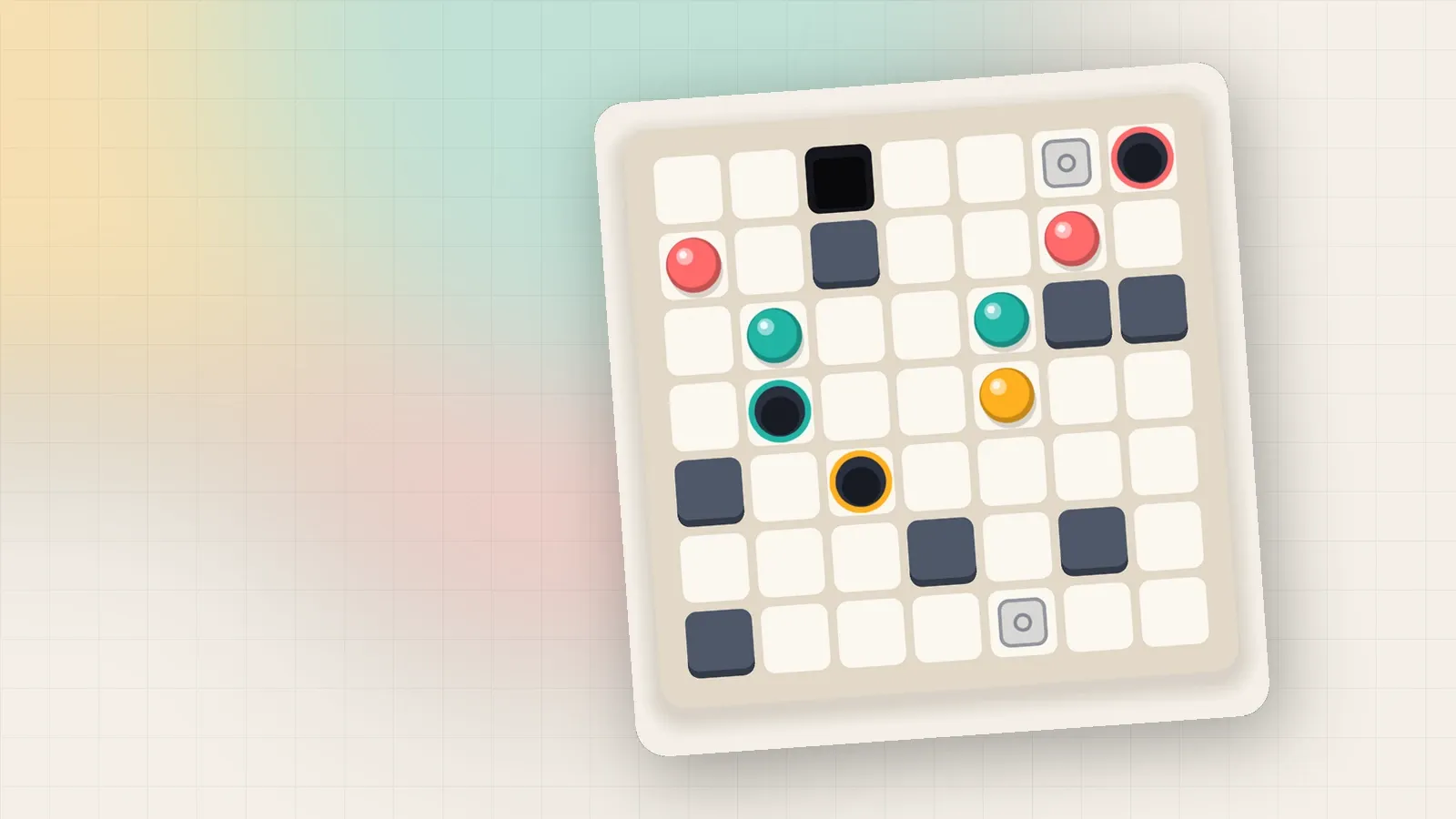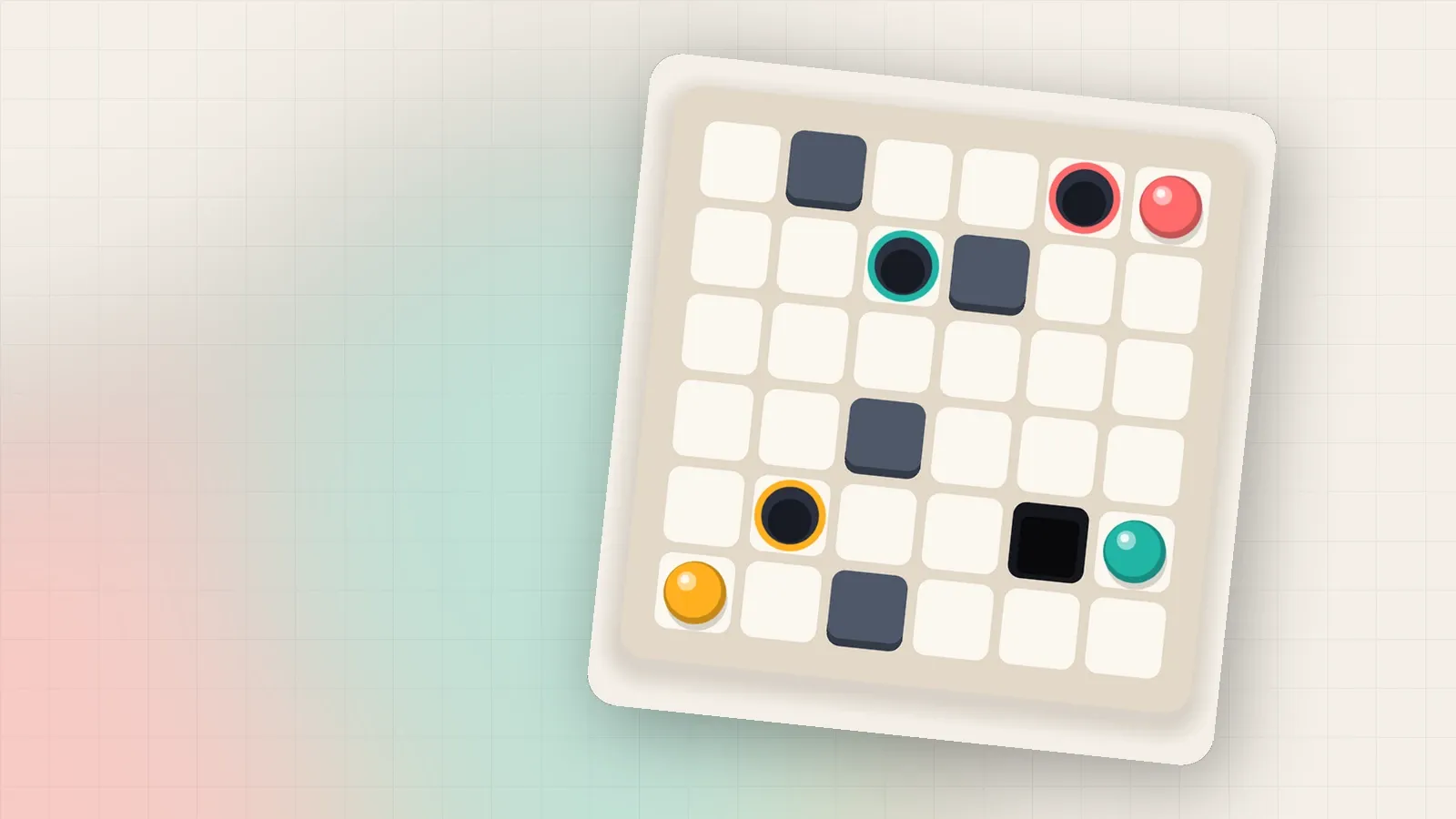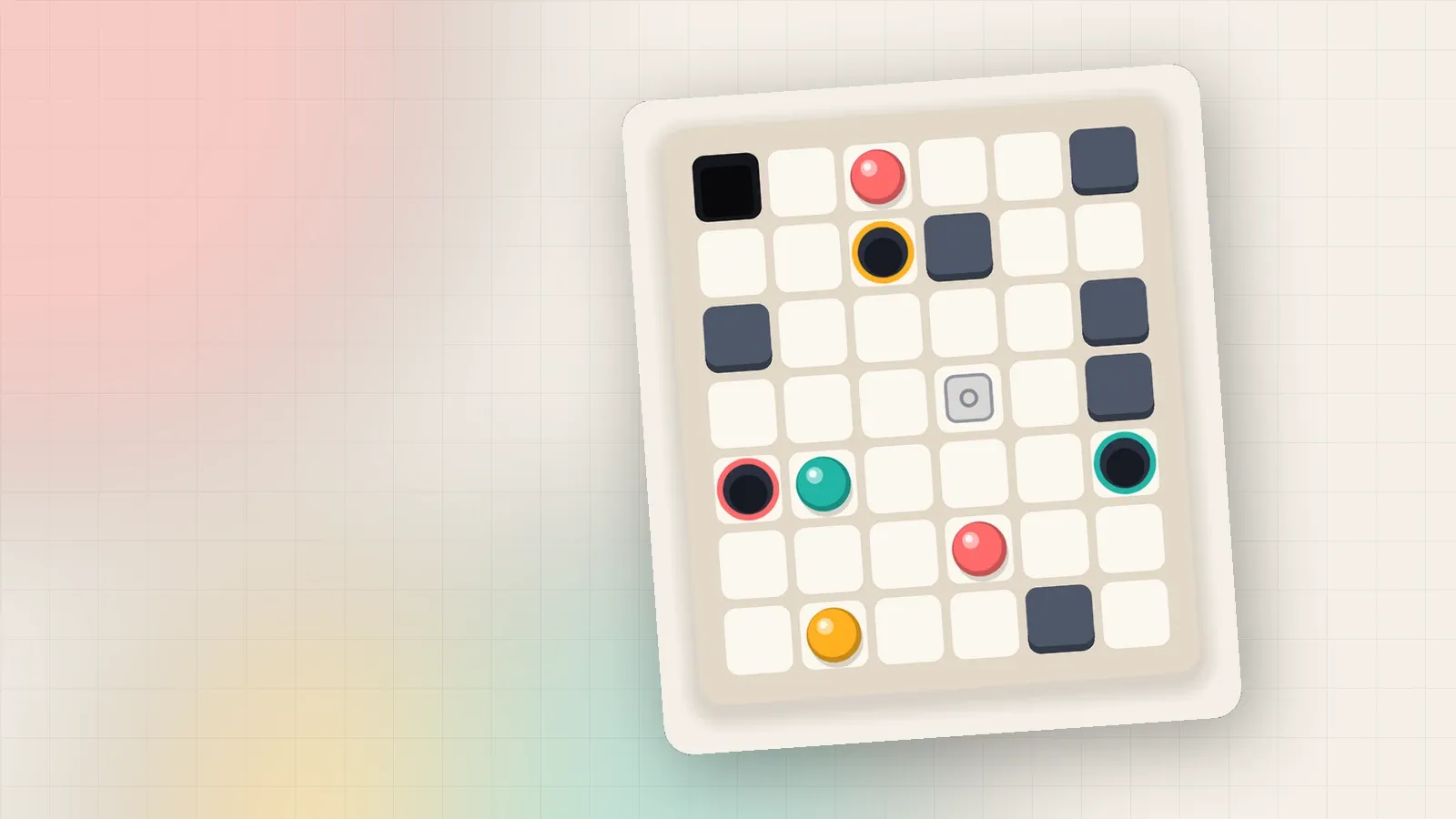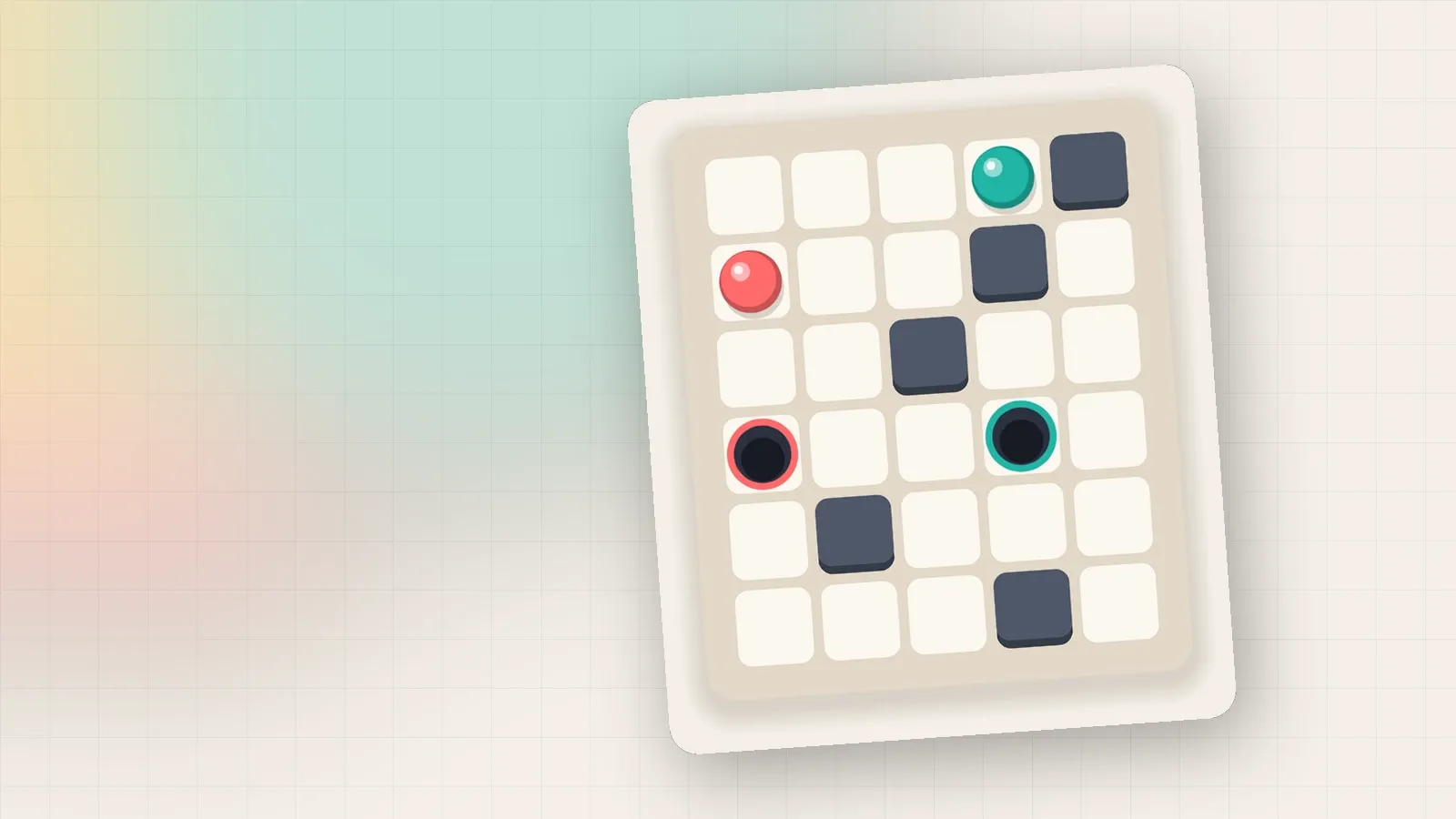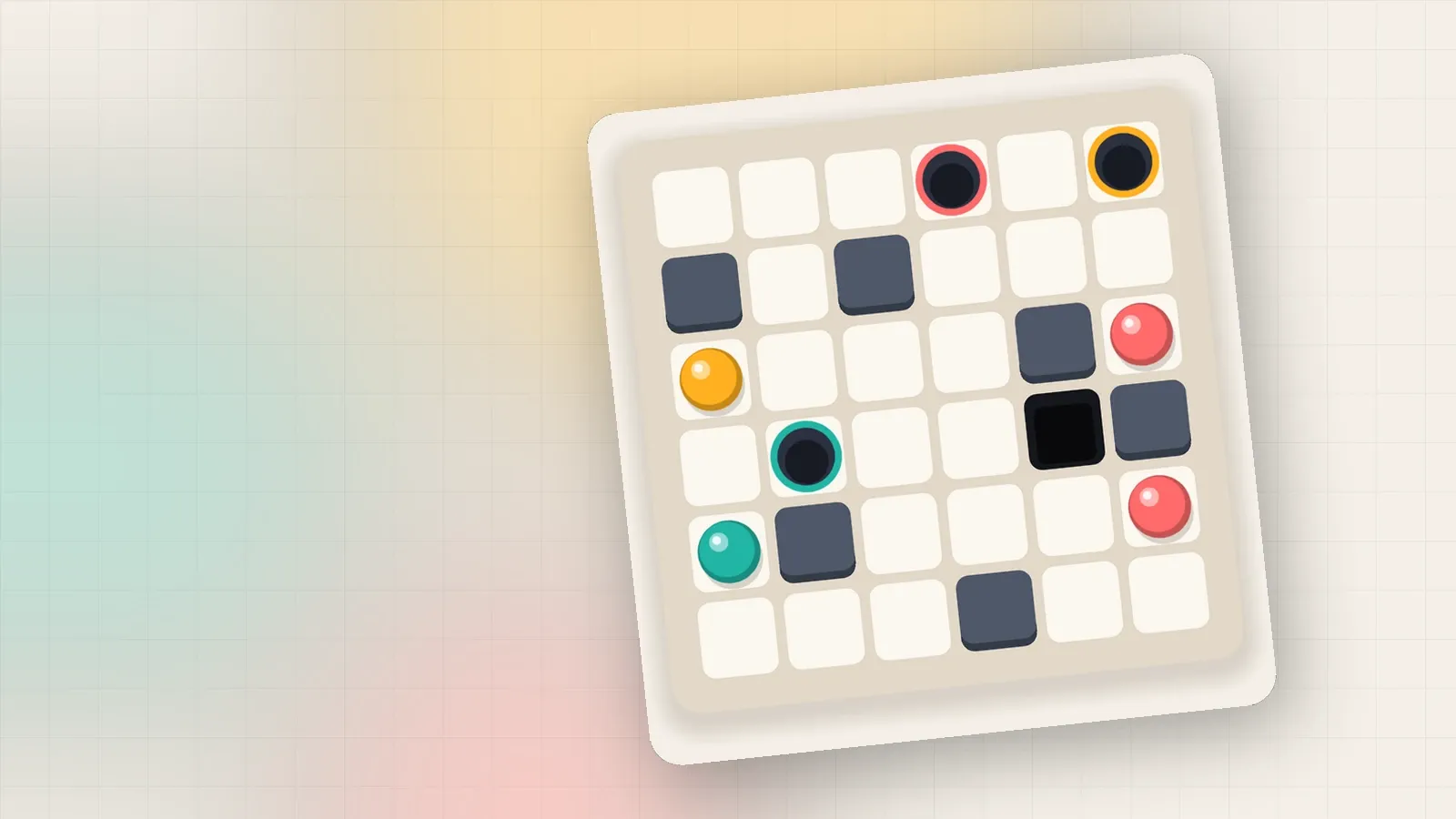
How to play Plumb: the rules in two minutes
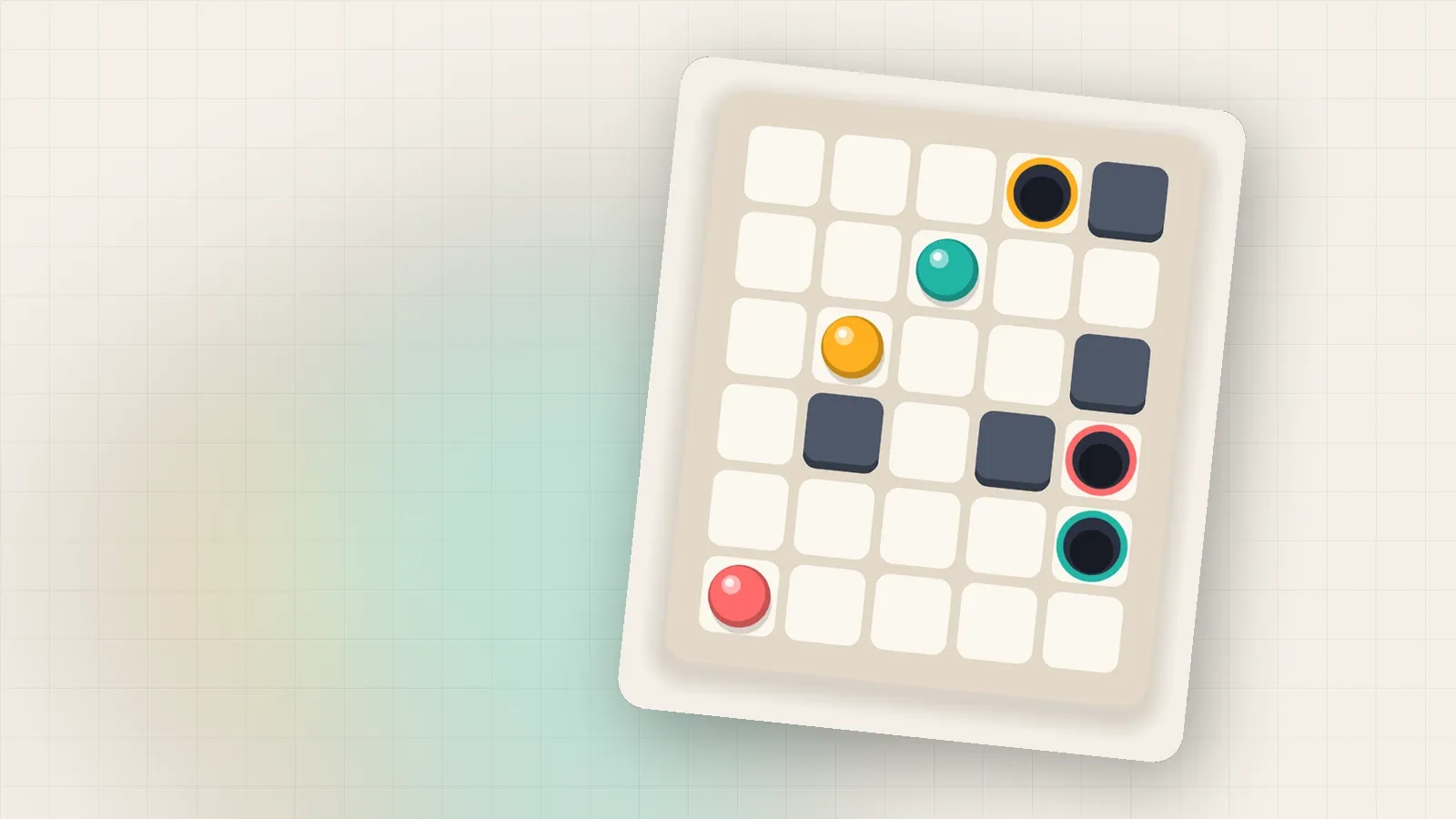
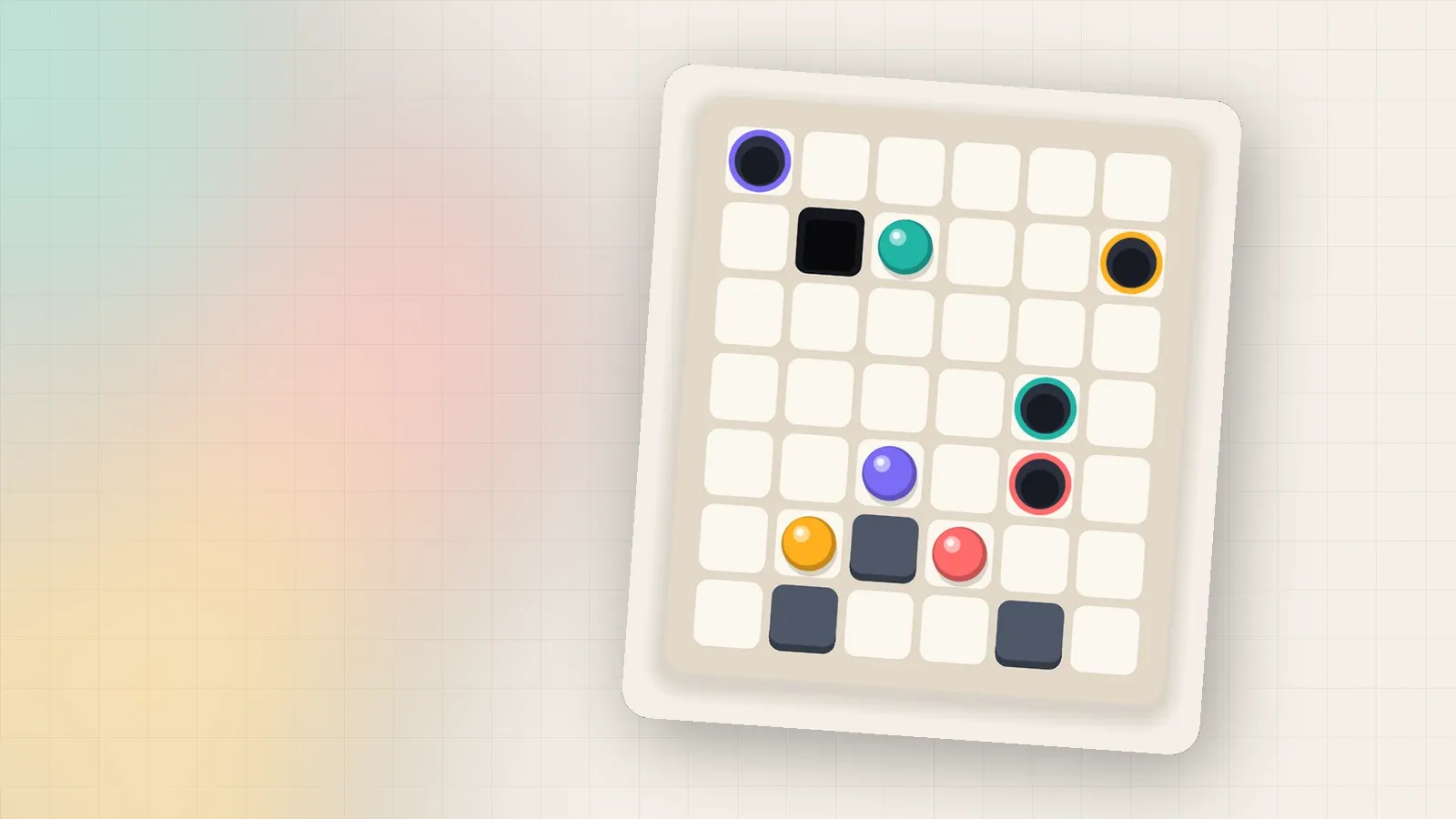
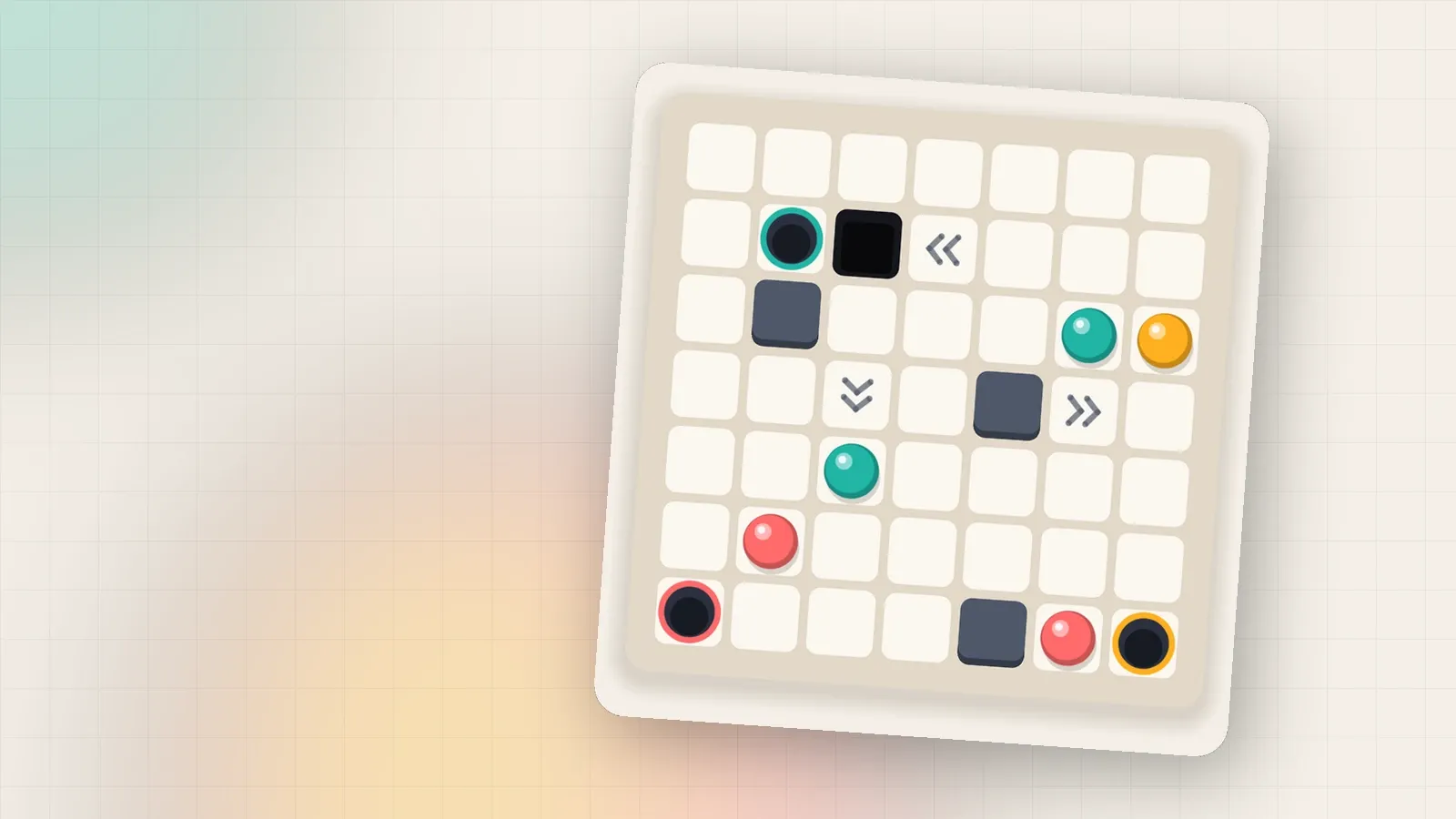
Learn to play Plumb, the marble tilt puzzle: swipe to tilt the board, every marble rolls at once, and each one must drop into the hole of its own colour.
The Plumb blog
How to play, how to find the perfect route, and what goes into a puzzle game built by a two-person team.
Learn to play Plumb, the marble tilt puzzle: swipe to tilt the board, every marble rolls at once, and each one must drop into the hole of its own colour.
Seven practical tips for new Plumb players: read the walls first, count what moves, park marbles, and use undo to learn a board fast.
Plumb has no timers, no lives and no energy, and no ad ever interrupts a puzzle. Why we built a game that respects your time, and what that means in it.
Behind the scenes: how Plumb's levels are generated, proven solvable, checked so no two are alike, and ordered so the game never gets easier.
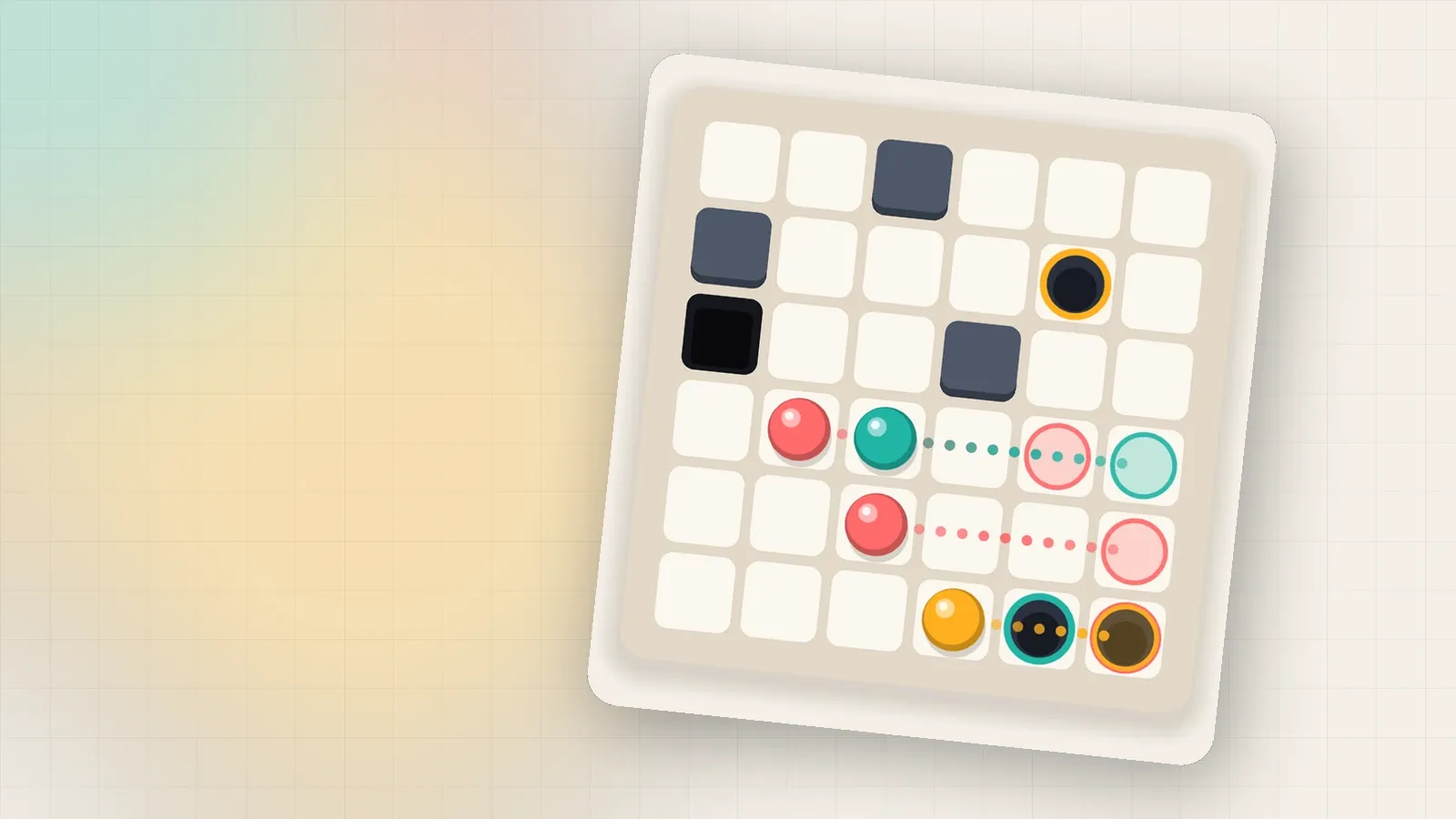
Plumb's hint previews your best next tilt right on the board: ghost marbles, dotted trails and pit warnings. Here is what each part means.
Plumb is made by a two-person team: Shravan Goswami and Claude Opus 5.5, an AI model. How the work is split, and what it is like.
Square pits swallow any marble in Plumb, but a mistake costs you one tap. How pits work, what undo and restart do, and why there are no lives.
What par means in Plumb, how stars are scored, and a simple method for finding the perfect route on any level, with a worked example.
Plumb has only four moves, yet late levels take a dozen tilts to solve. How one swipe moving every marble creates a huge space of positions.