One tap, a whole chain: how a Carillon field works
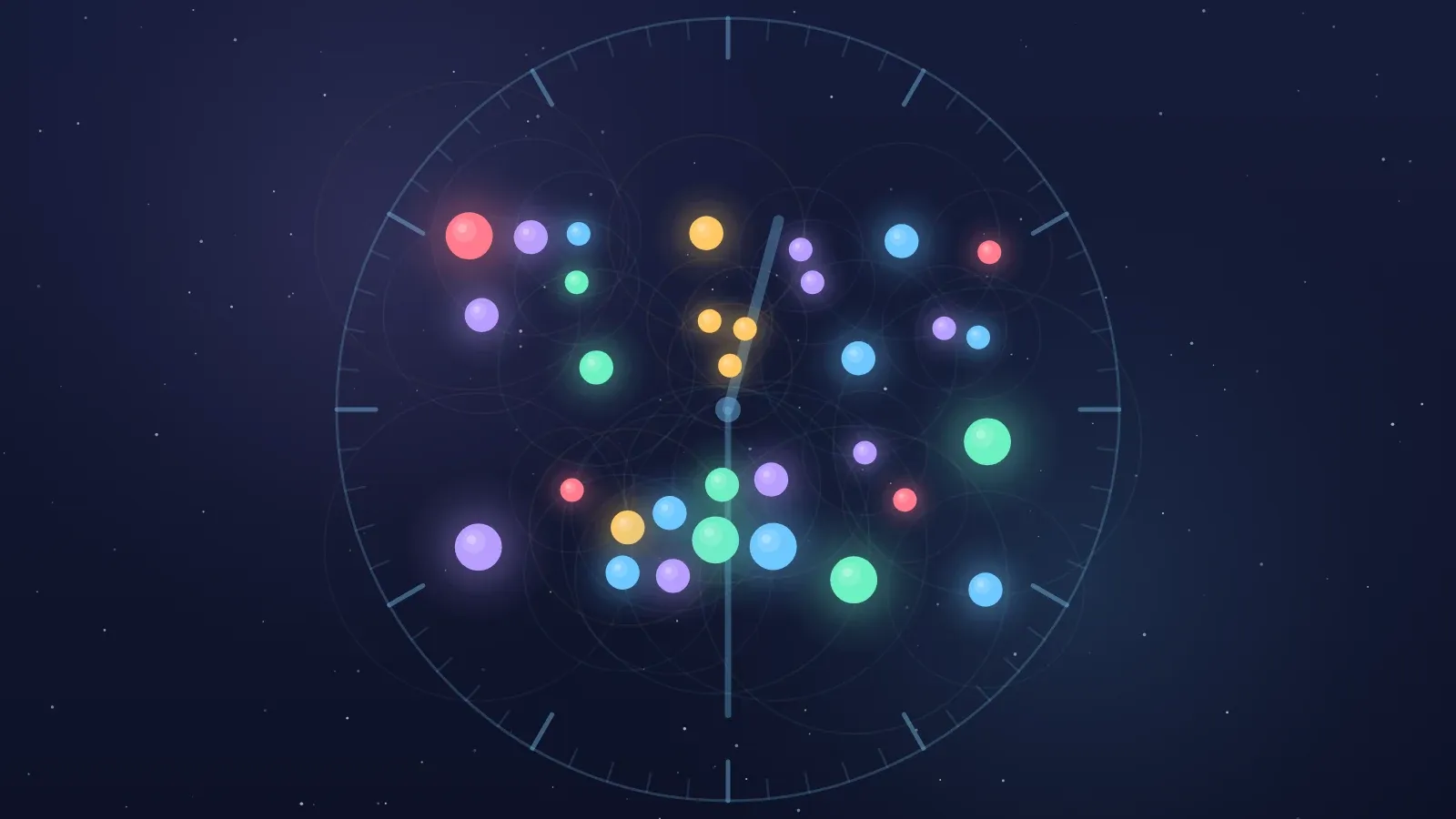
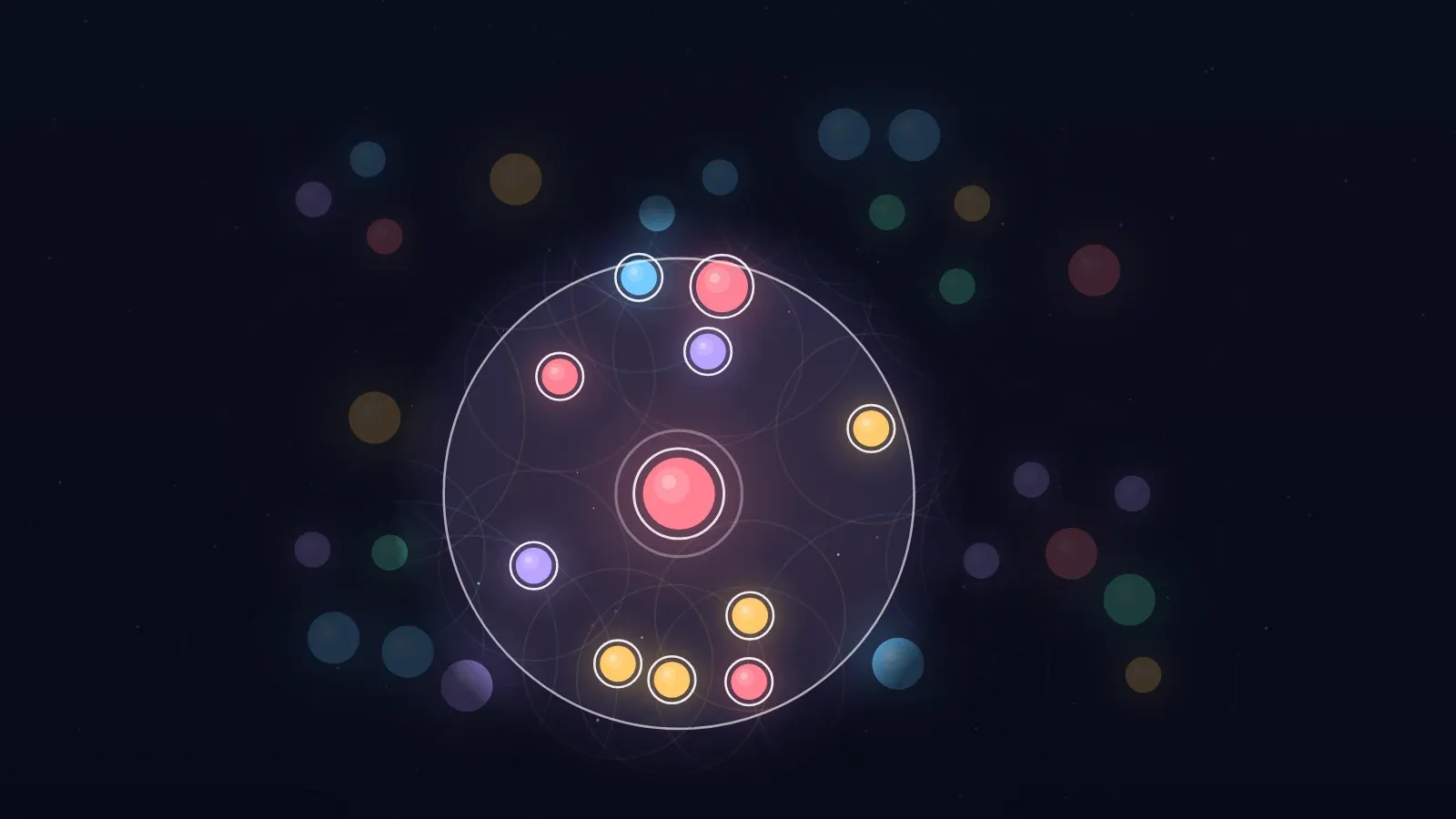
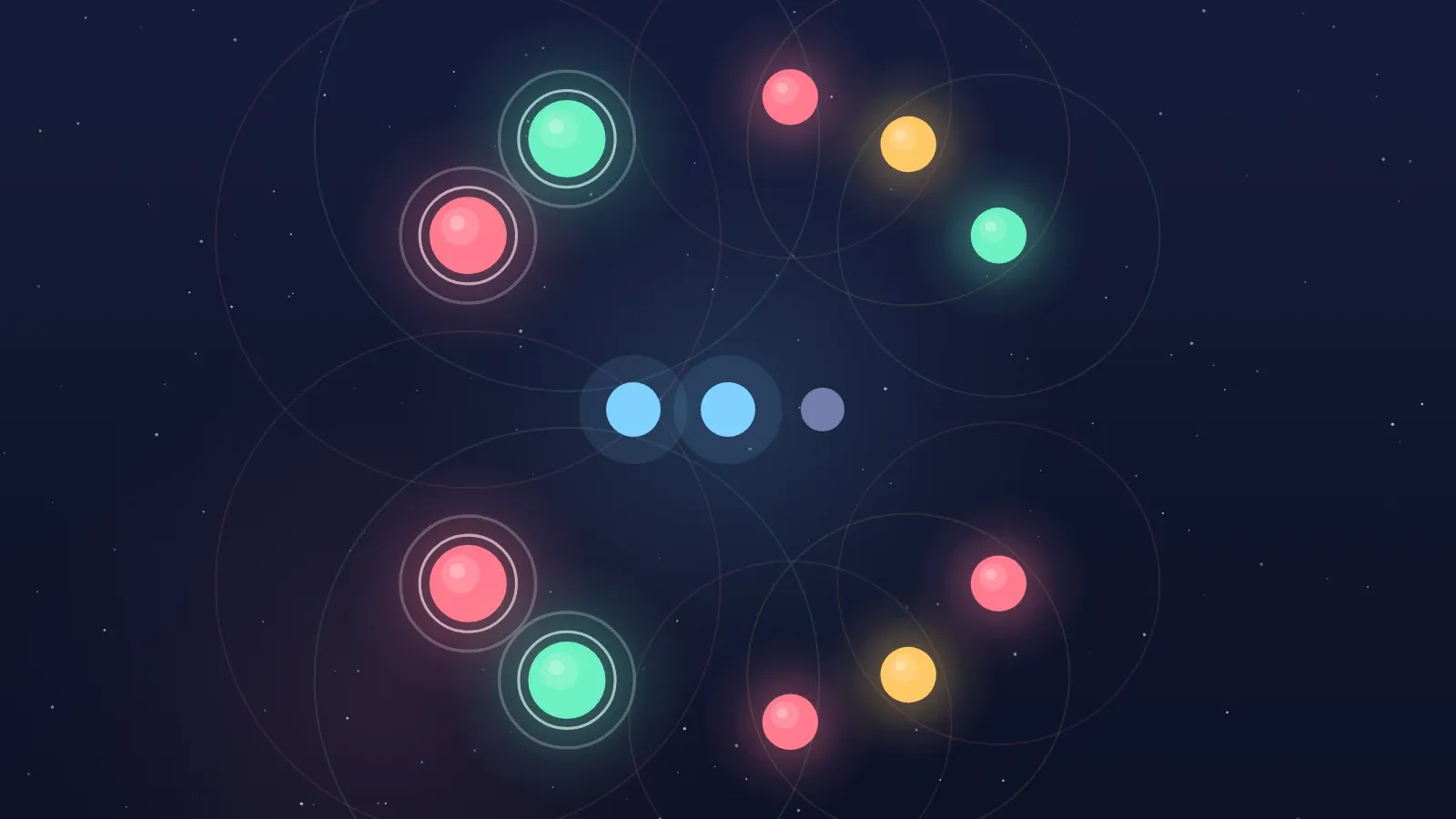
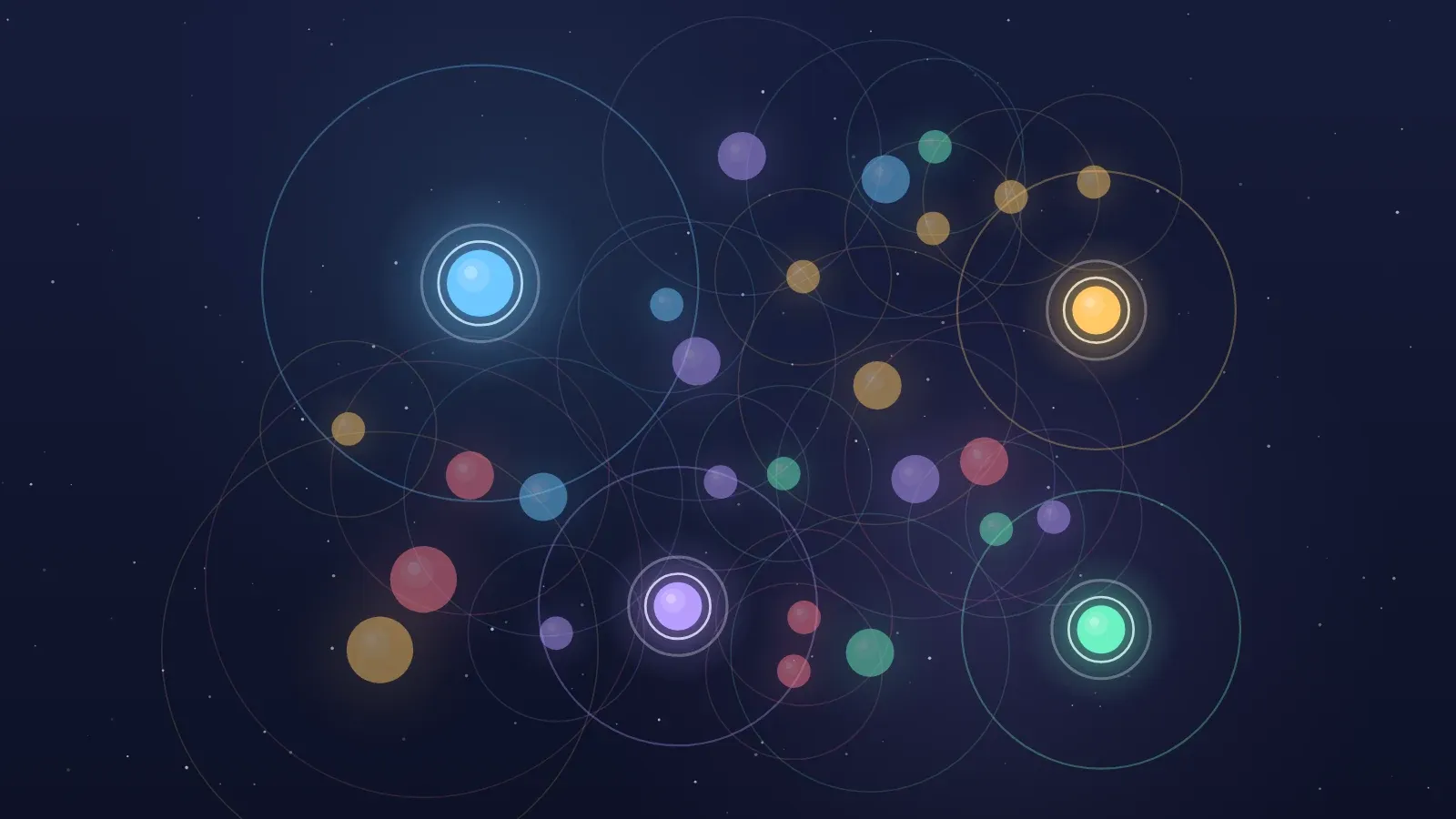
Learn Carillon by following one chain across the first field: a ring pops every dot it reaches, every pop rings a note, and reading the field is the whole game.
Reading fields, chasing chains and the music in every pop, from the game where one tap plays a tune.
Learn Carillon by following one chain across the first field: a ring pops every dot it reaches, every pop rings a note, and reading the field is the whole game.
Carillon's daily puzzle gives every player the same field, and it changes at 12:30 in the afternoon in India. How the clock, taps and streak work, and how to be quick.
Carillon, the calm chain reaction puzzle where every pop is a note, is live on Google Play. What's in it, and where to start.
How Carillon grows each field from roots, dresses it with its chapter's rule, proves the goal with a solver, measures difficulty in bits and turns away repeats.
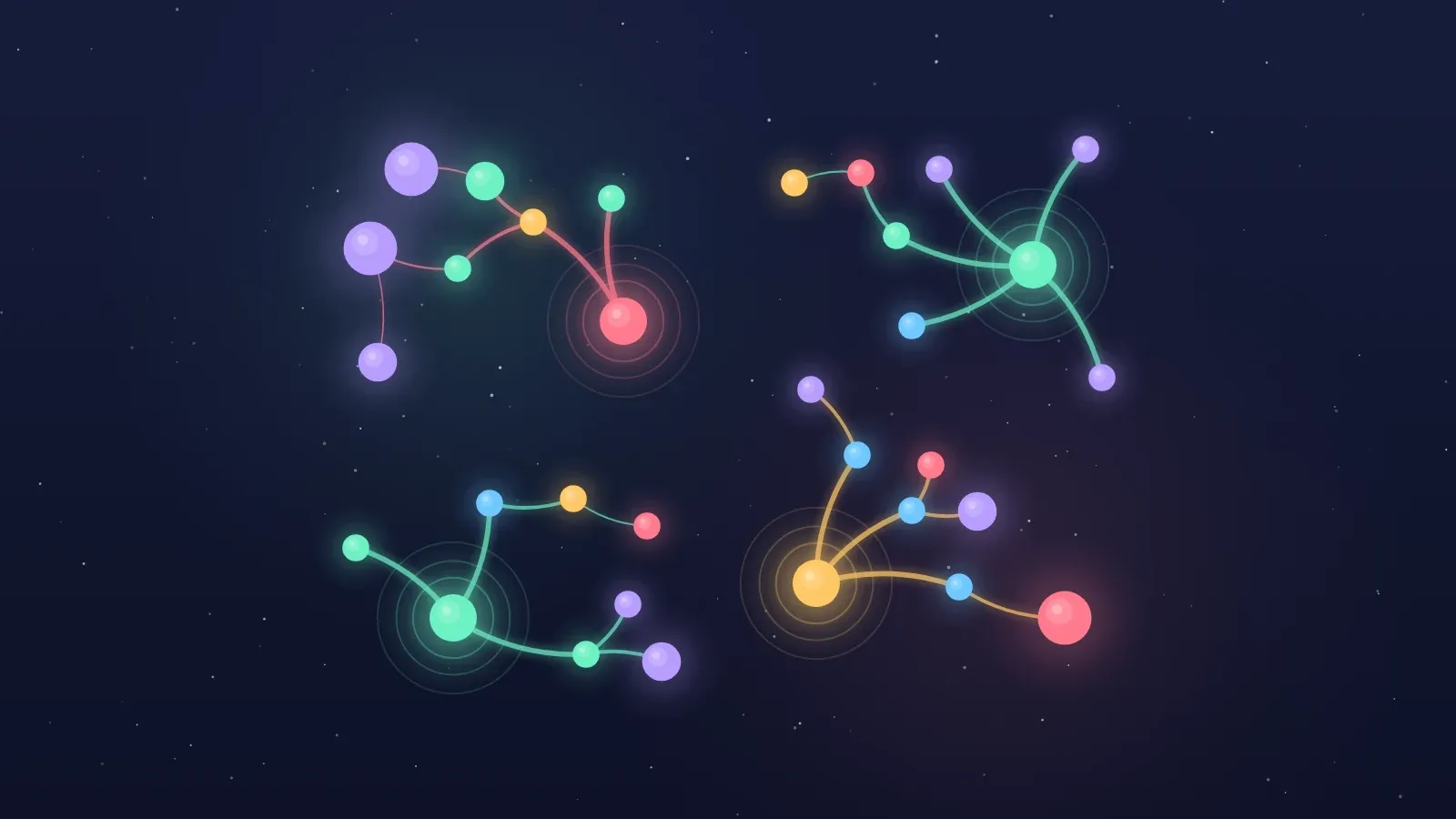
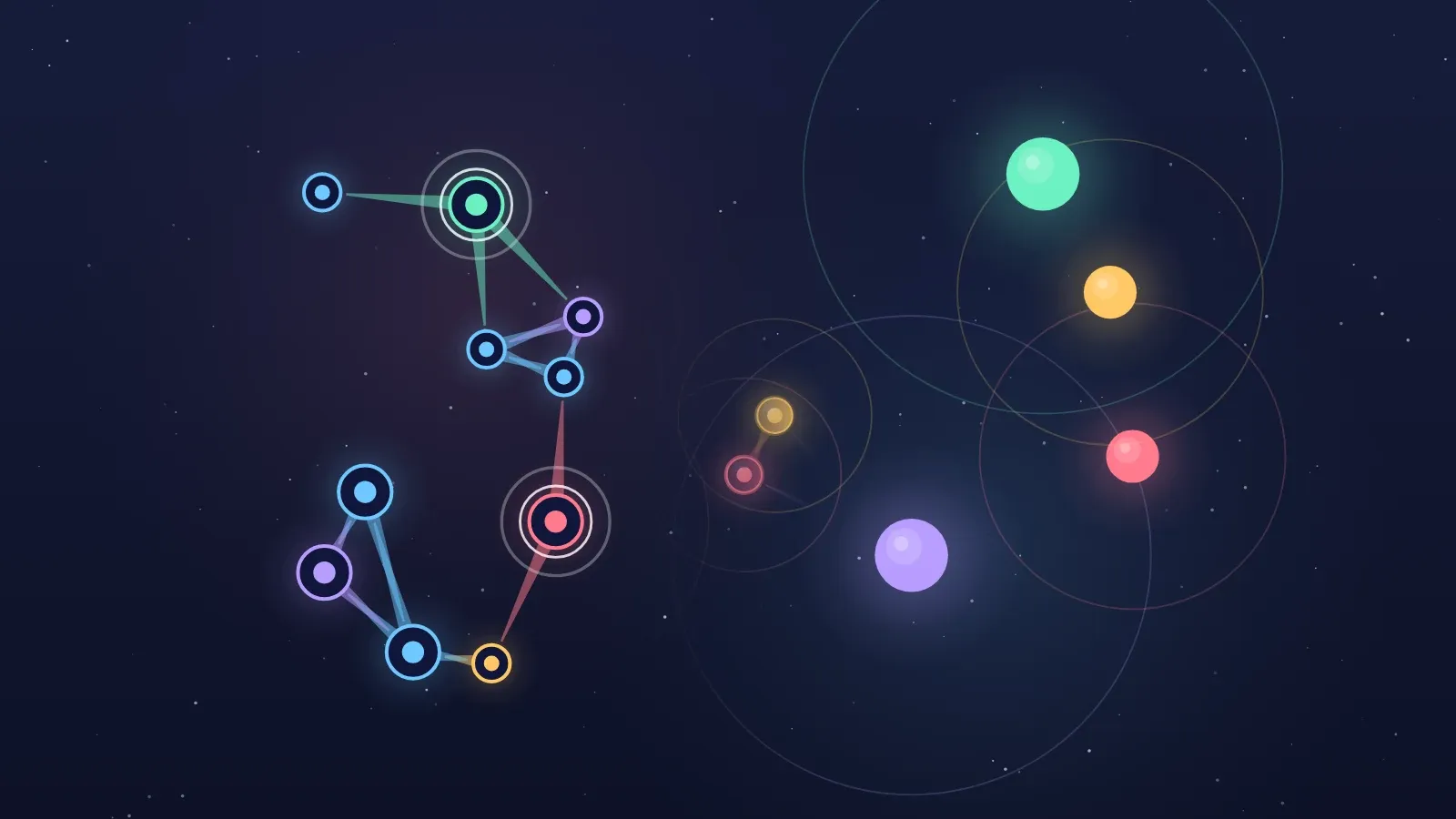
A Carillon field is a directed graph, a chain is a shortest-path search, and the goal is a count of source components, right up until the rules start to bend it.
What Carillon's hint lights up, how the solver picks one dot from the field as it stands, what a hint costs, and how to use it to learn a field rather than skip it.
How Carillon scores a level against its goal, why every level gives you one spare tap, what the pips and the star meter are saying, and how to find the three-star read.
How to read a Carillon field before you tap: trace the reach circles, find the dots nothing reaches, look past the showy decoys and, once rules arrive, plan the order.
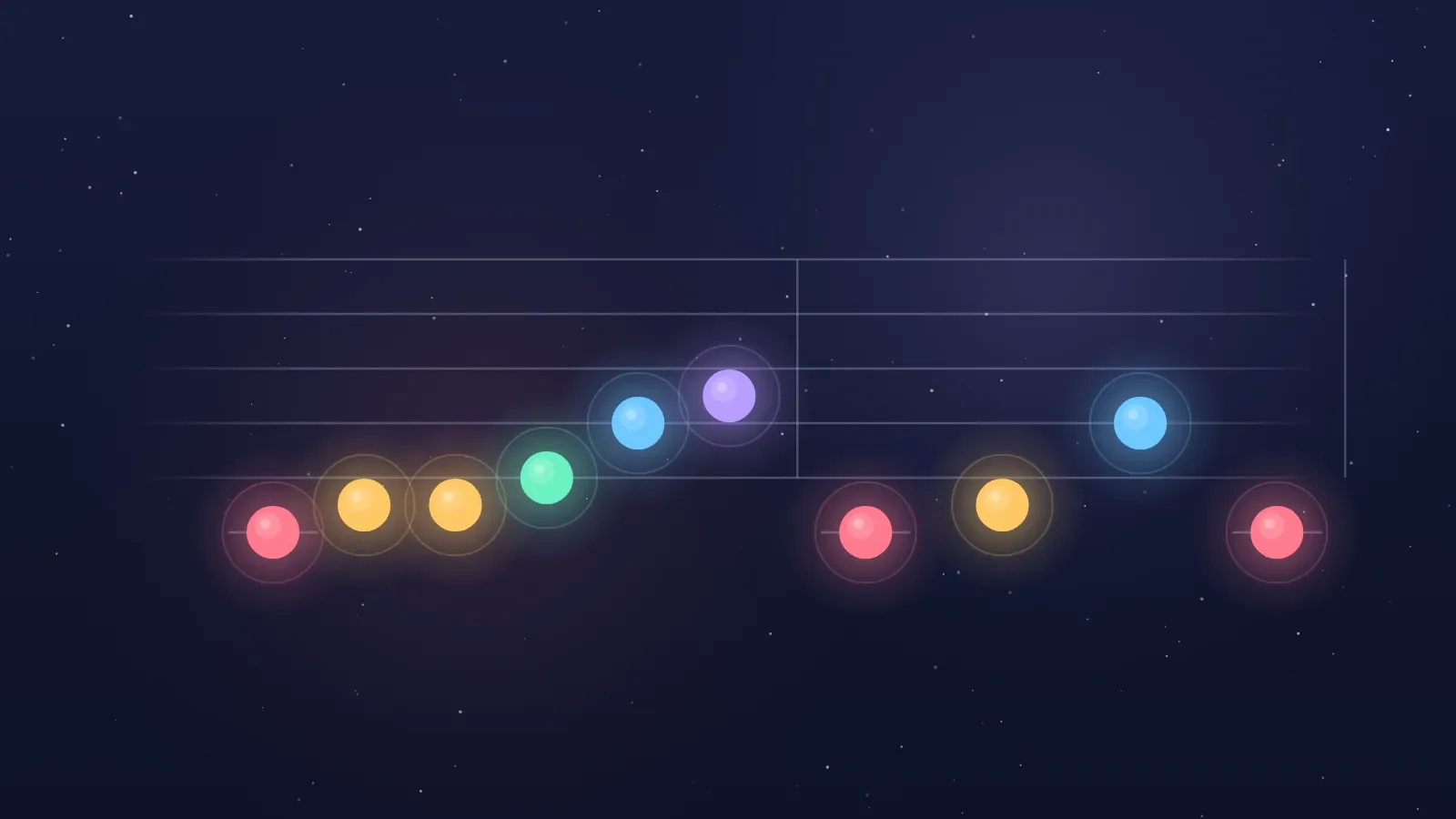
In Carillon a dot's colour is its note and its size is the octave, on a pentatonic scale, so any chain sounds like music. How the notes are chosen, made and played.