How to play Carillon: the rules in two minutes
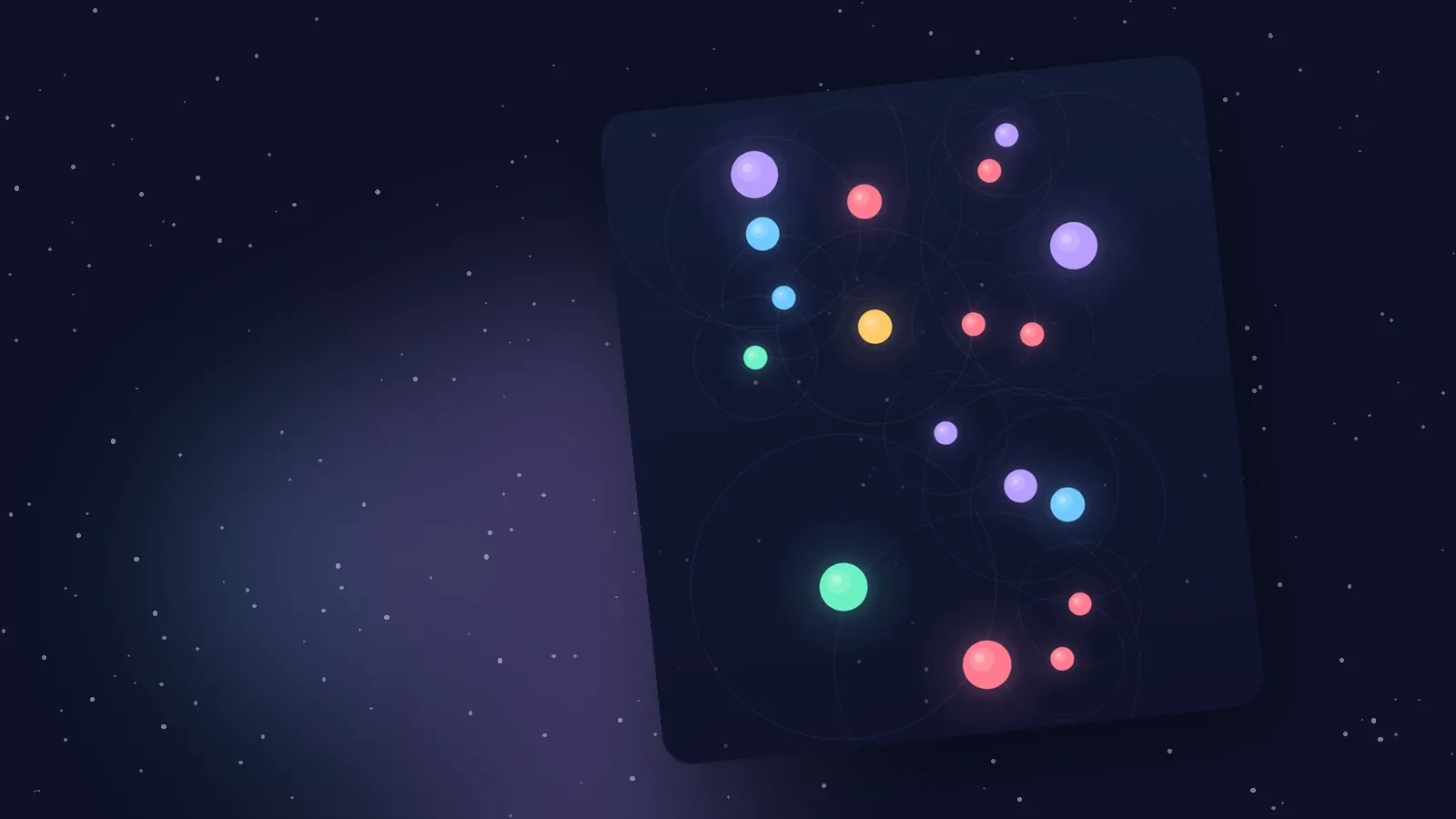
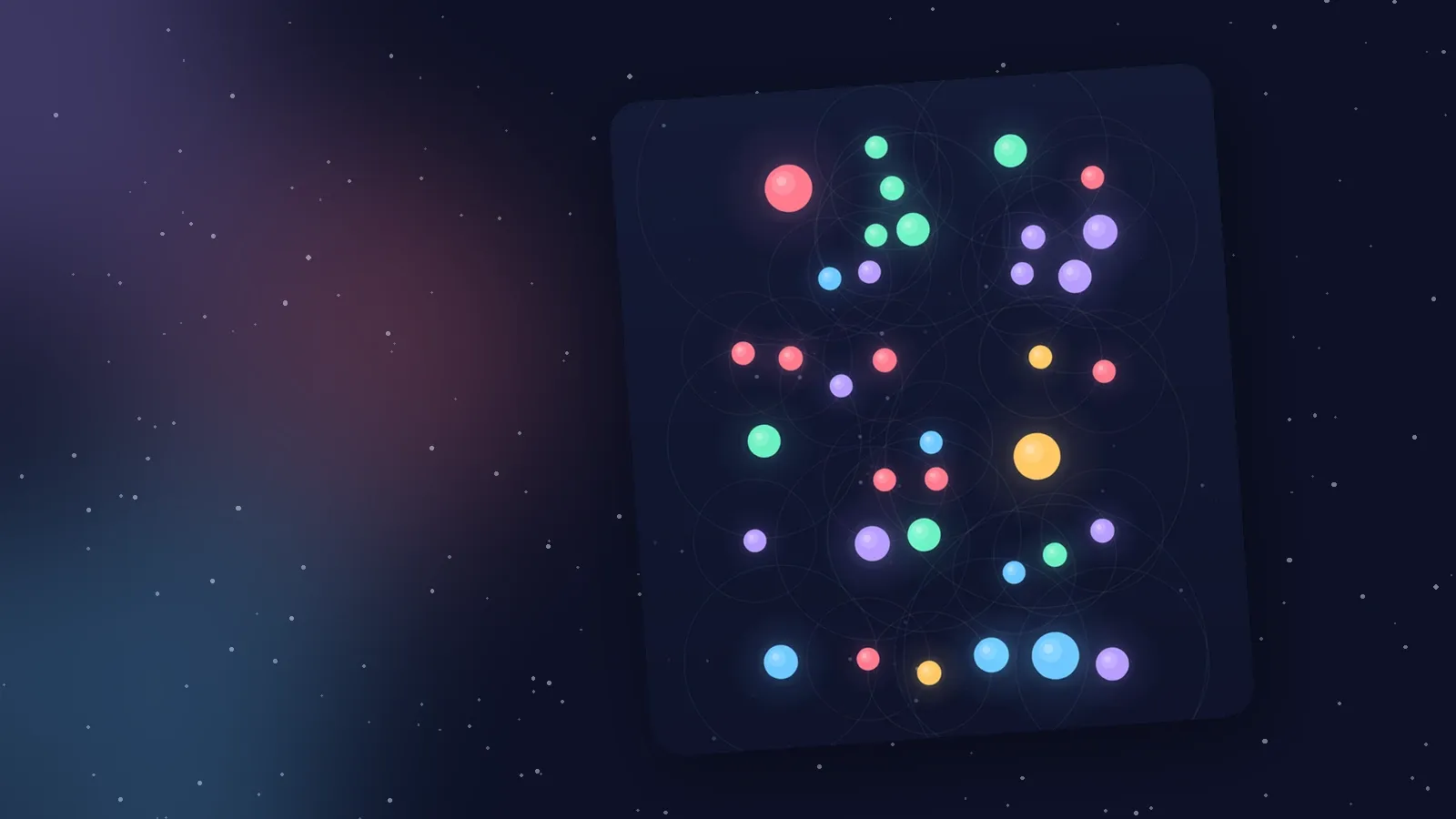
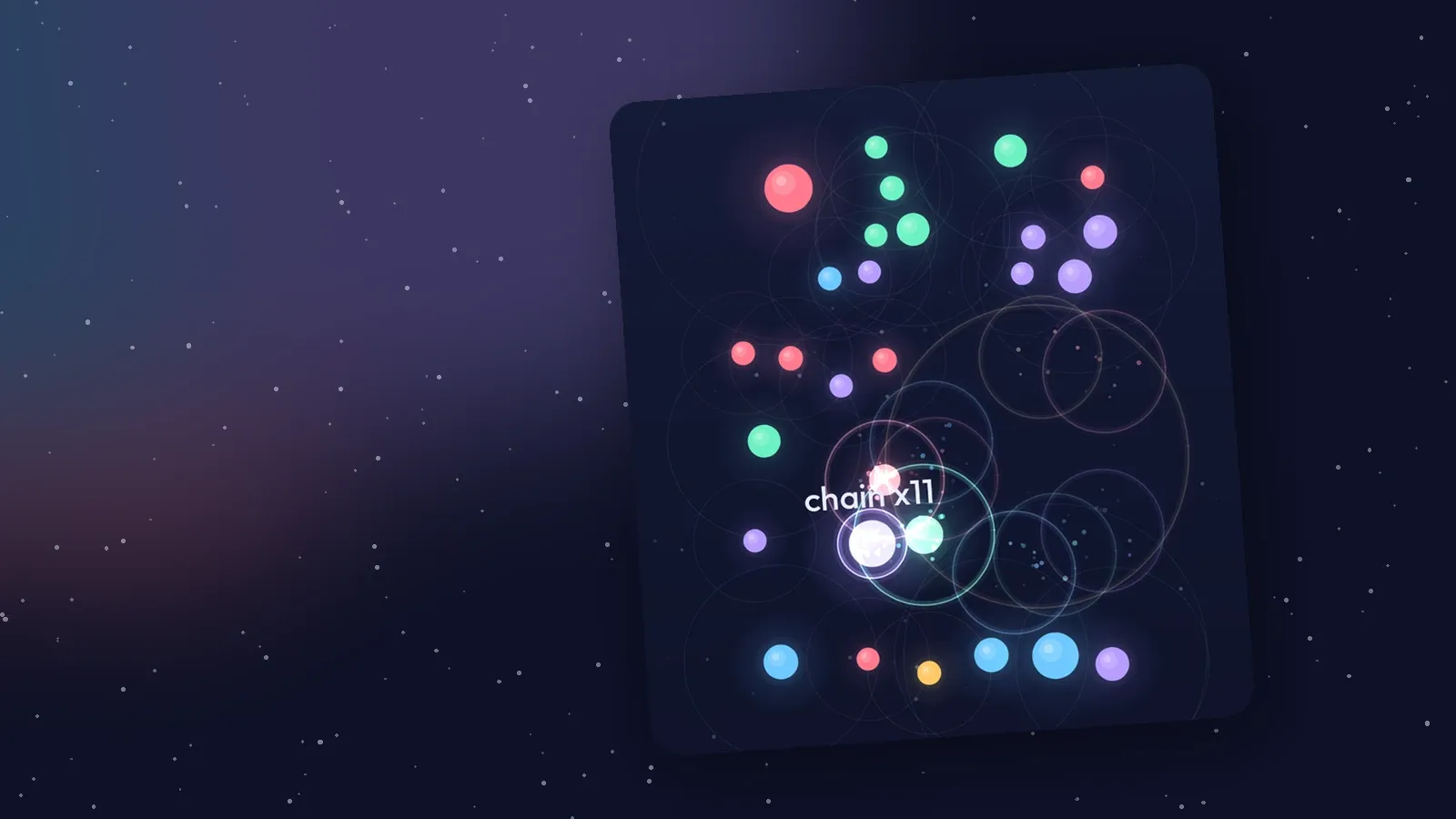
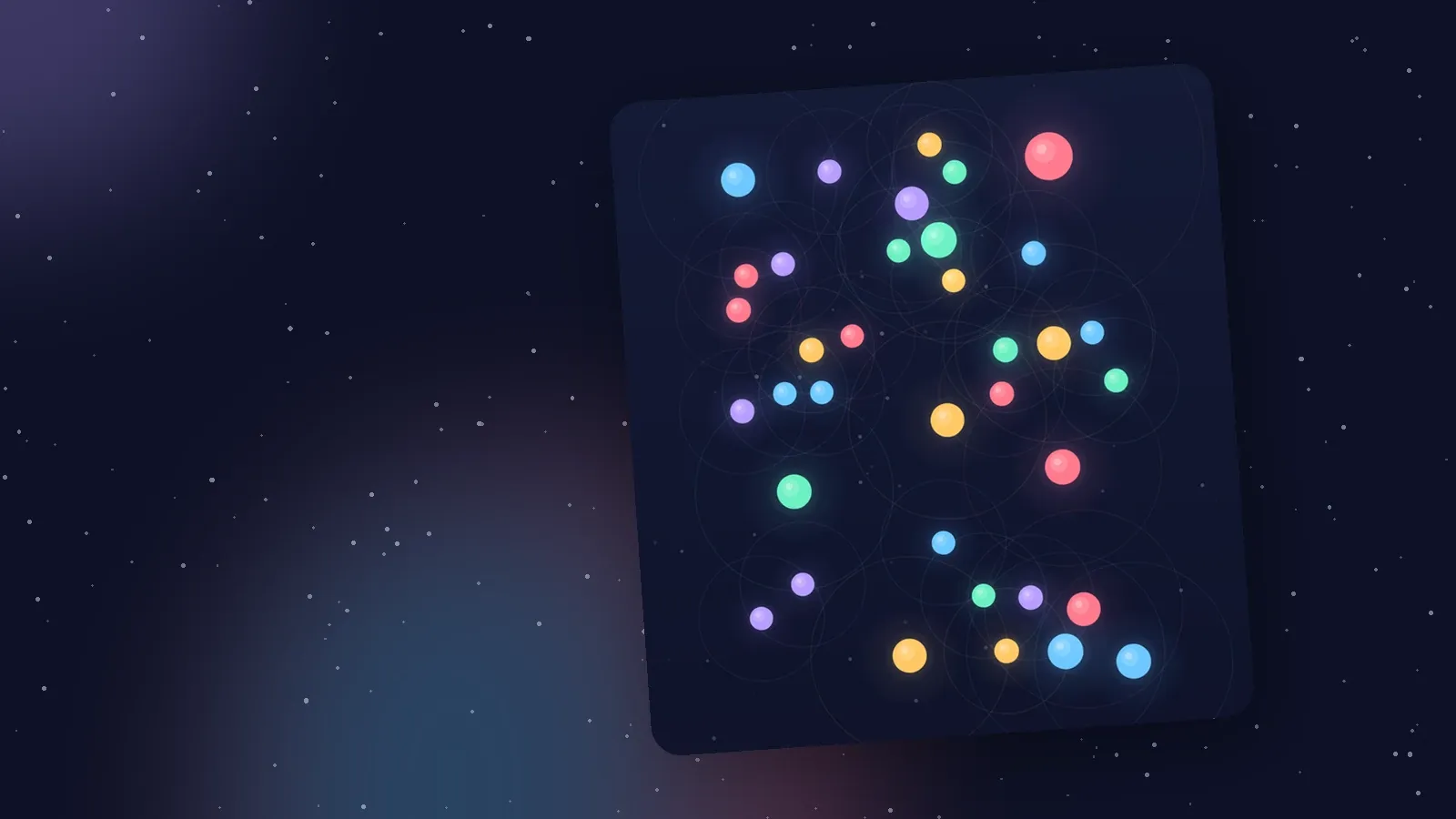
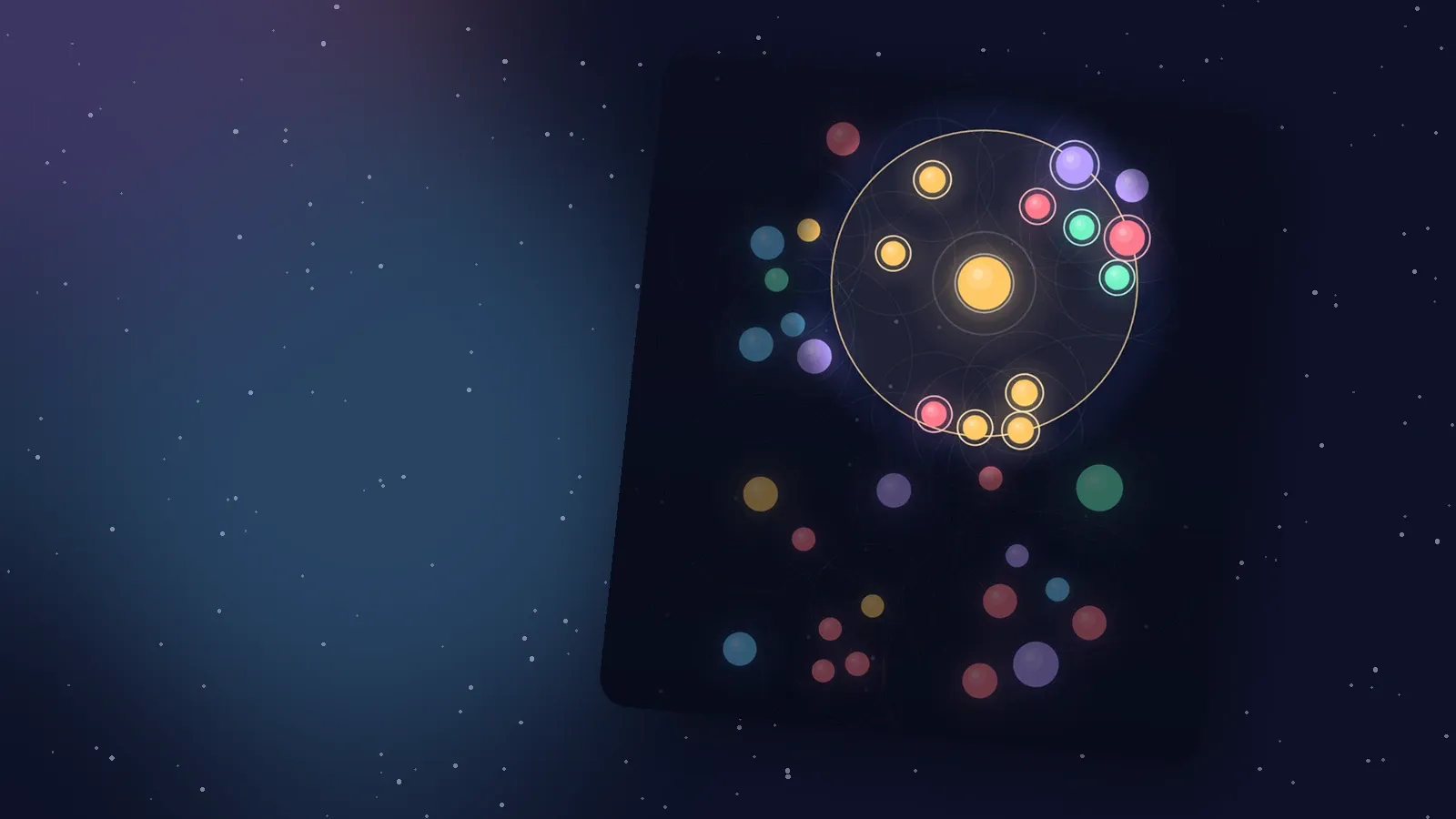
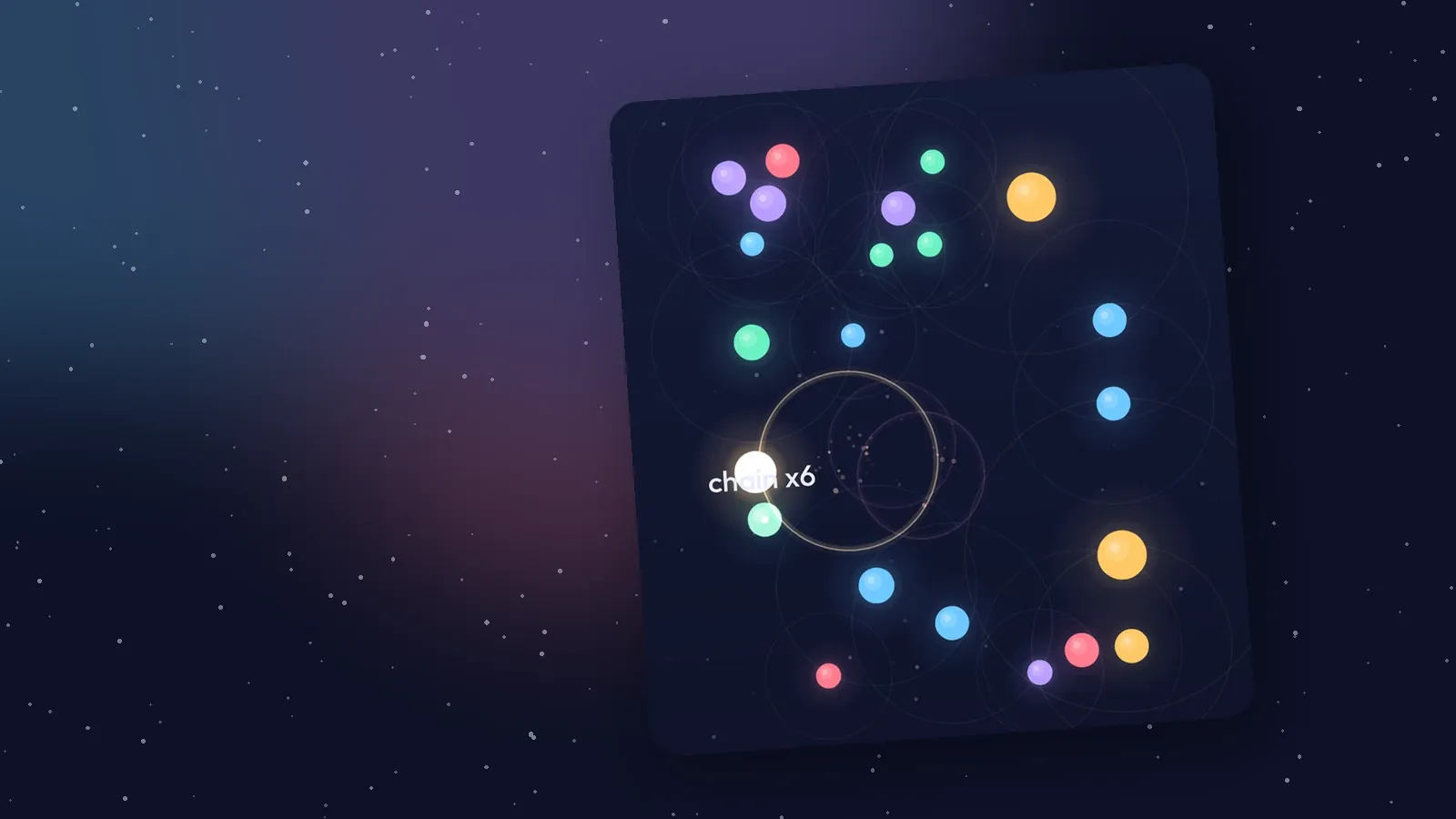
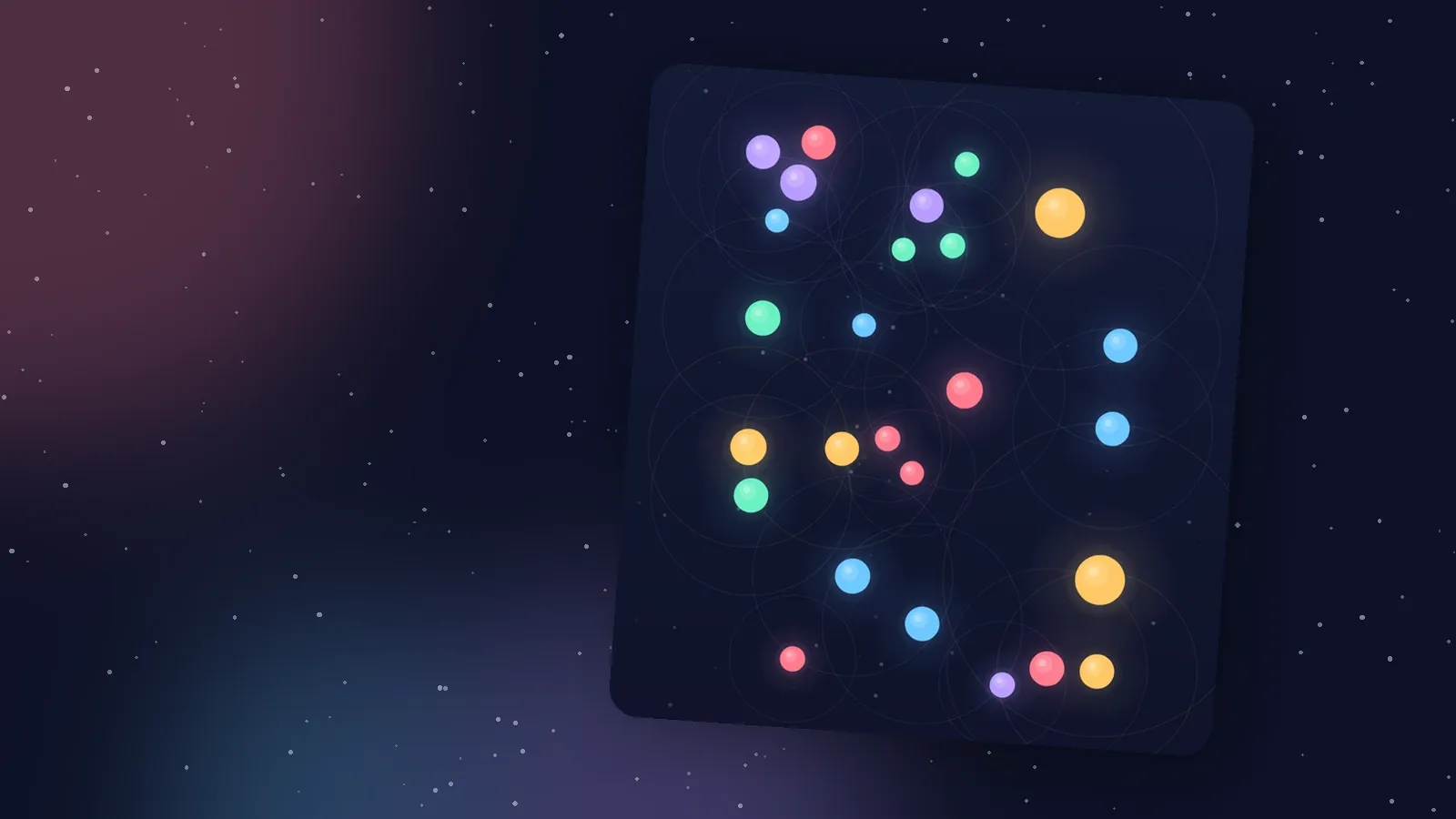
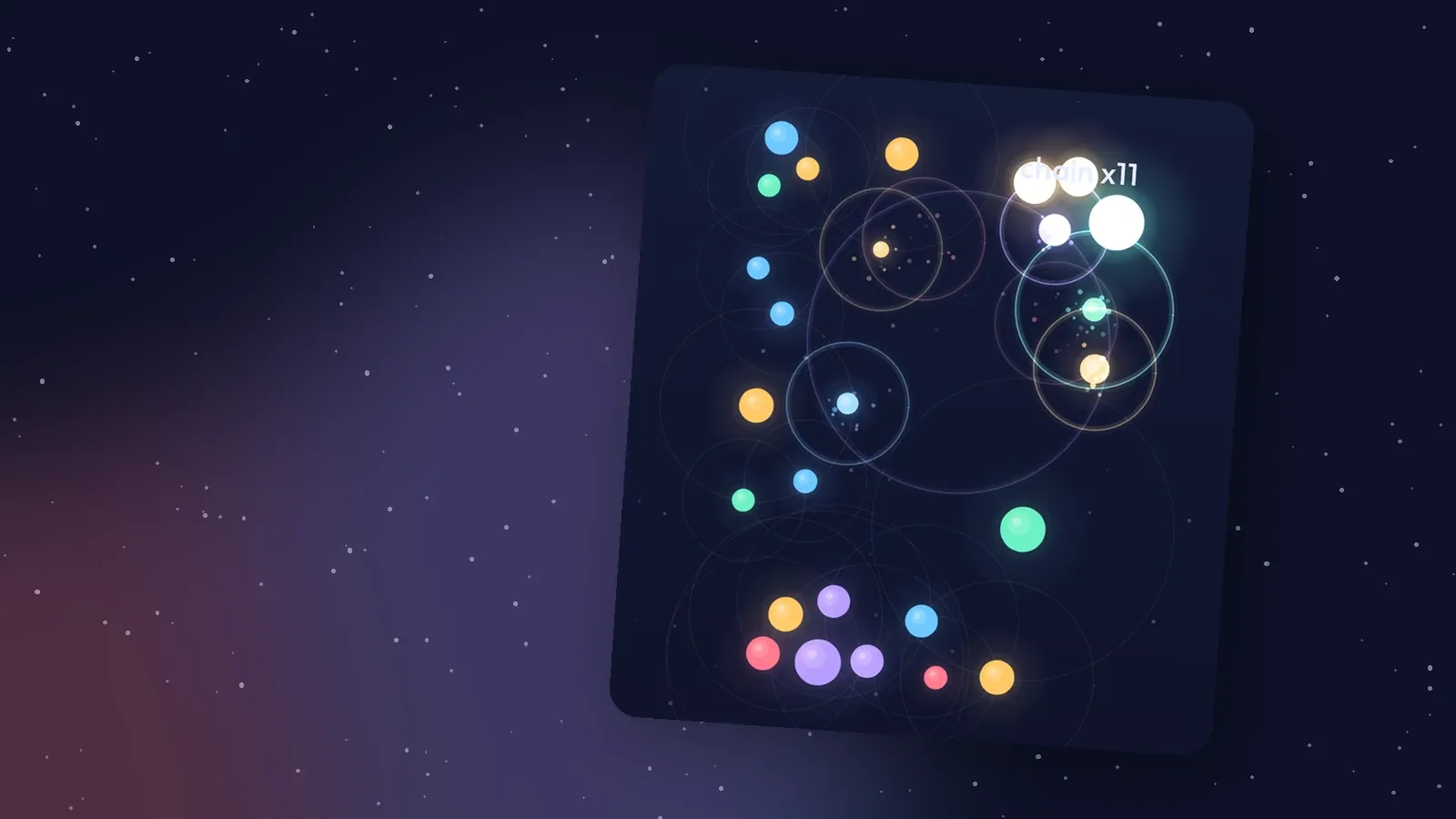
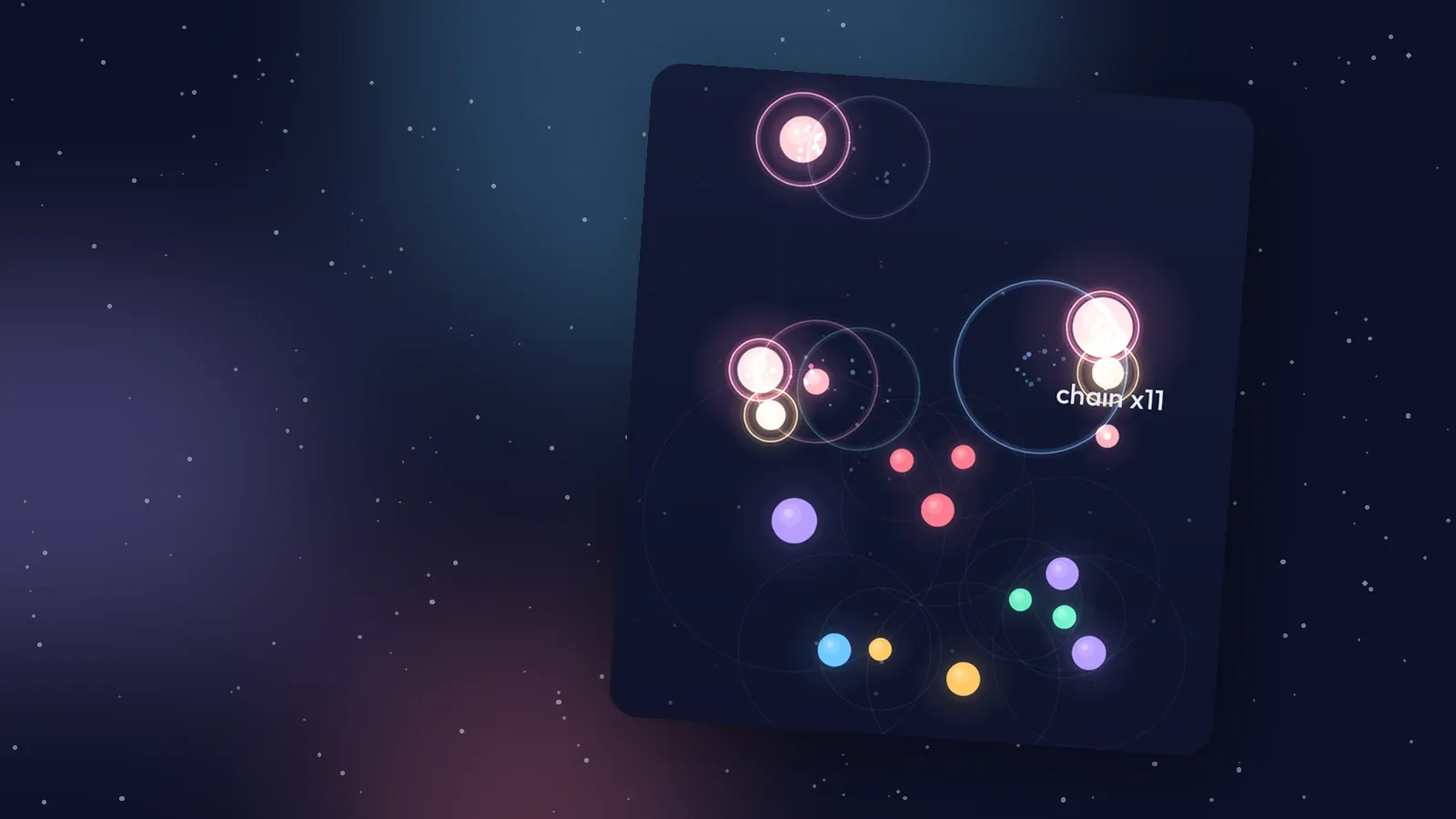
Learn to play Carillon, the chain-reaction puzzle: tap a dot, its ring pops every dot it reaches, and each pop is a note. Hold first to read, then clear the field.
The Carillon blog
How to play, how to find where every chain starts, and what goes into a puzzle game built by a two-person team.
Learn to play Carillon, the chain-reaction puzzle: tap a dot, its ring pops every dot it reaches, and each pop is a note. Hold first to read, then clear the field.
Seven practical tips for new Carillon players: hold before you tap, read the reach circles, find the dot nothing reaches, and see through the showy decoys.
Carillon has no timers, no lives and no energy, and no ad ever interrupts a chain. Why we built a chain-reaction puzzle that waits for you, and where you will notice it.
A Carillon field is a directed graph, a chain is a shortest-path search, and the fewest taps is the number of source components. The maths, explained plainly.
Behind the scenes: how Carillon grows its fields, proves the fewest taps, measures difficulty in bits, and makes sure no two levels feel like the same one.
Carillon's hint lights the best next tap from wherever the field is now: it dims the rest, sweeps out the dot's reach and outlines what its ring will pop.
Carillon is made by a two-person team: Shravan Goswami and Claude Opus 5.5, an AI model by Anthropic. How the work is split, and a few stories from the build.
How Carillon scores a level, why every level gives you one spare tap, and a simple method for finding the three-star read, with a worked two-tap example.
In Carillon a dot's colour is its note and its size is the octave, on a pentatonic scale, so any chain sounds like music. How the notes are chosen and made.