Every arrow wants out: the rules of Apsis
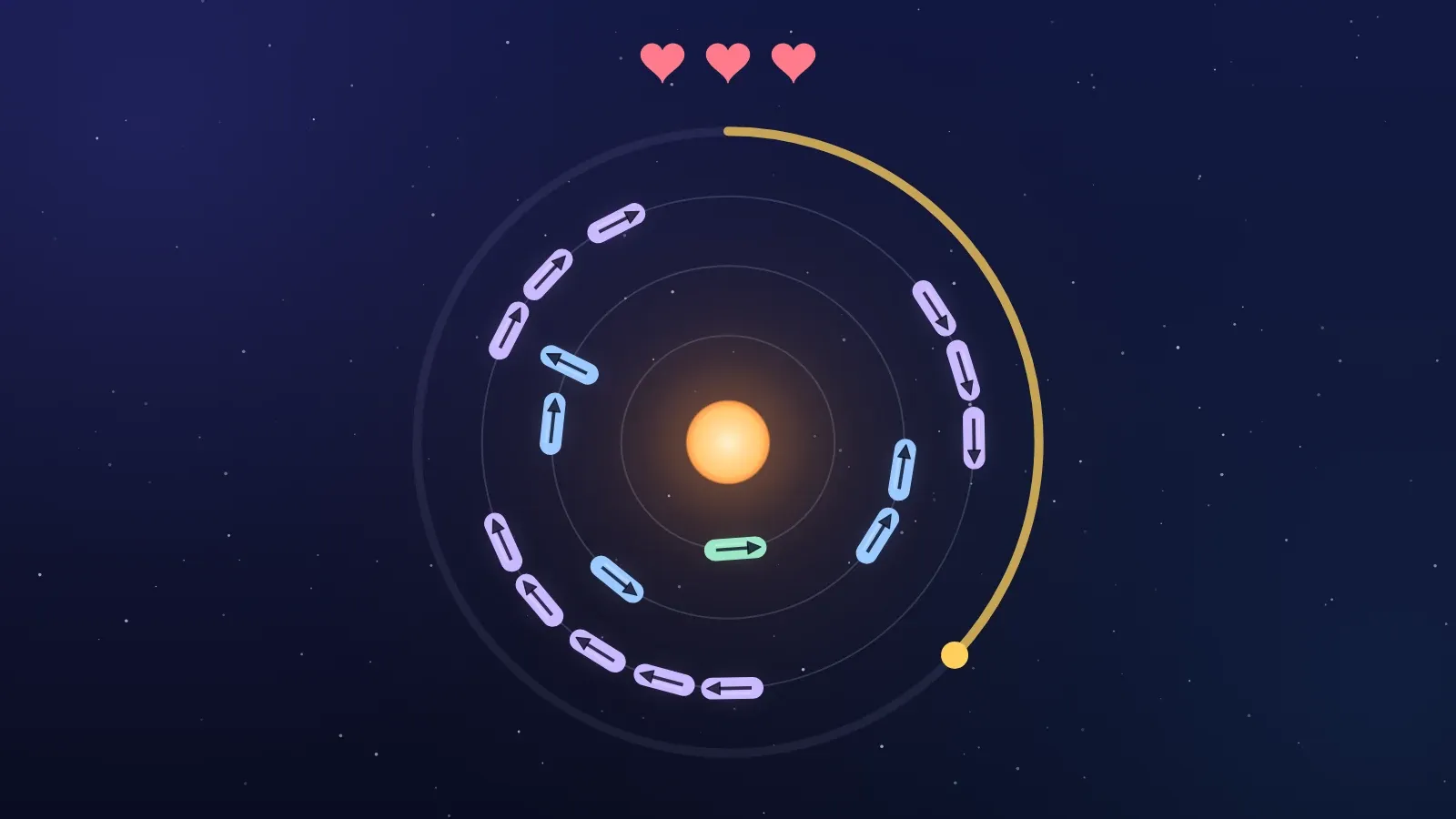
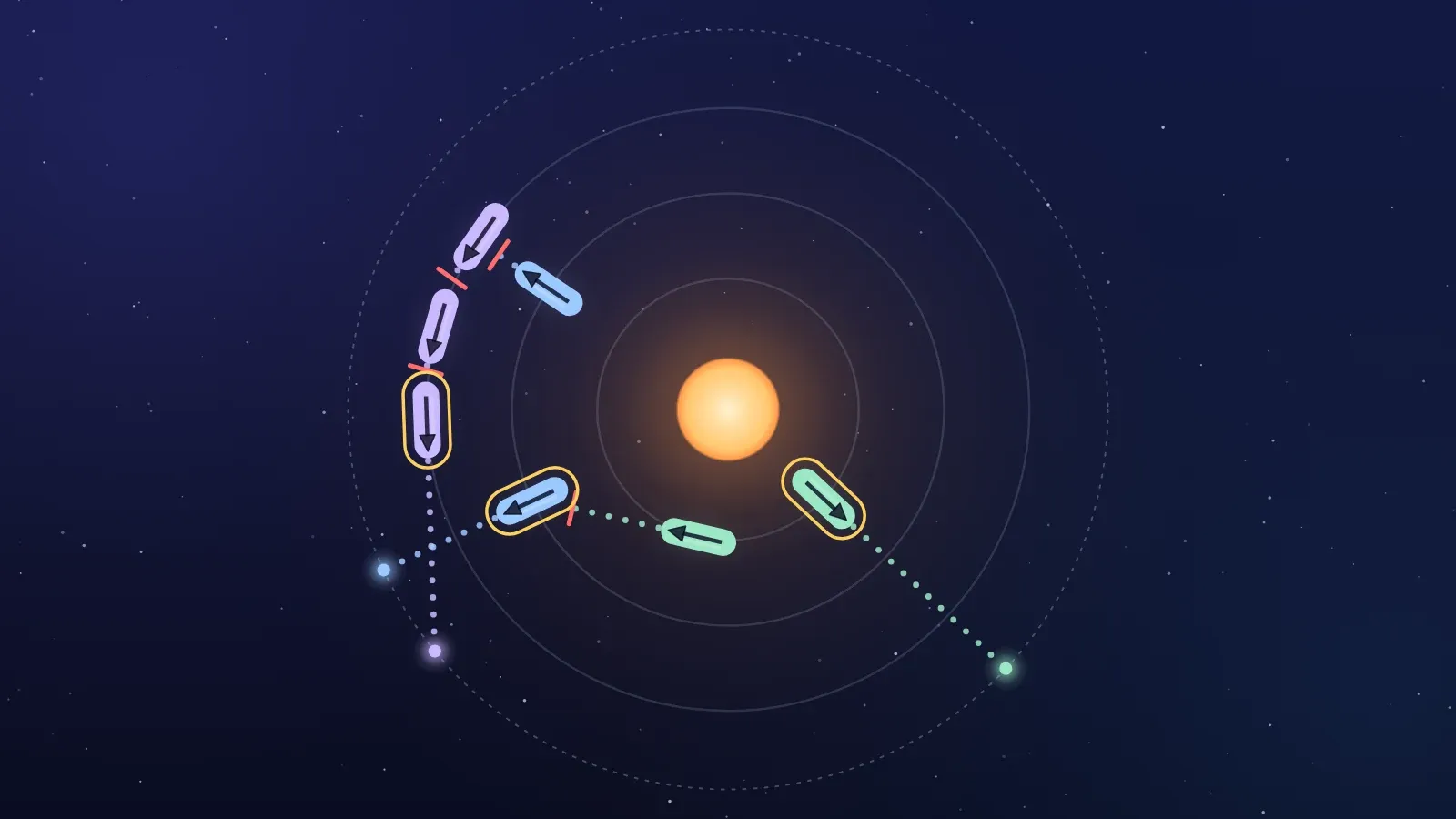
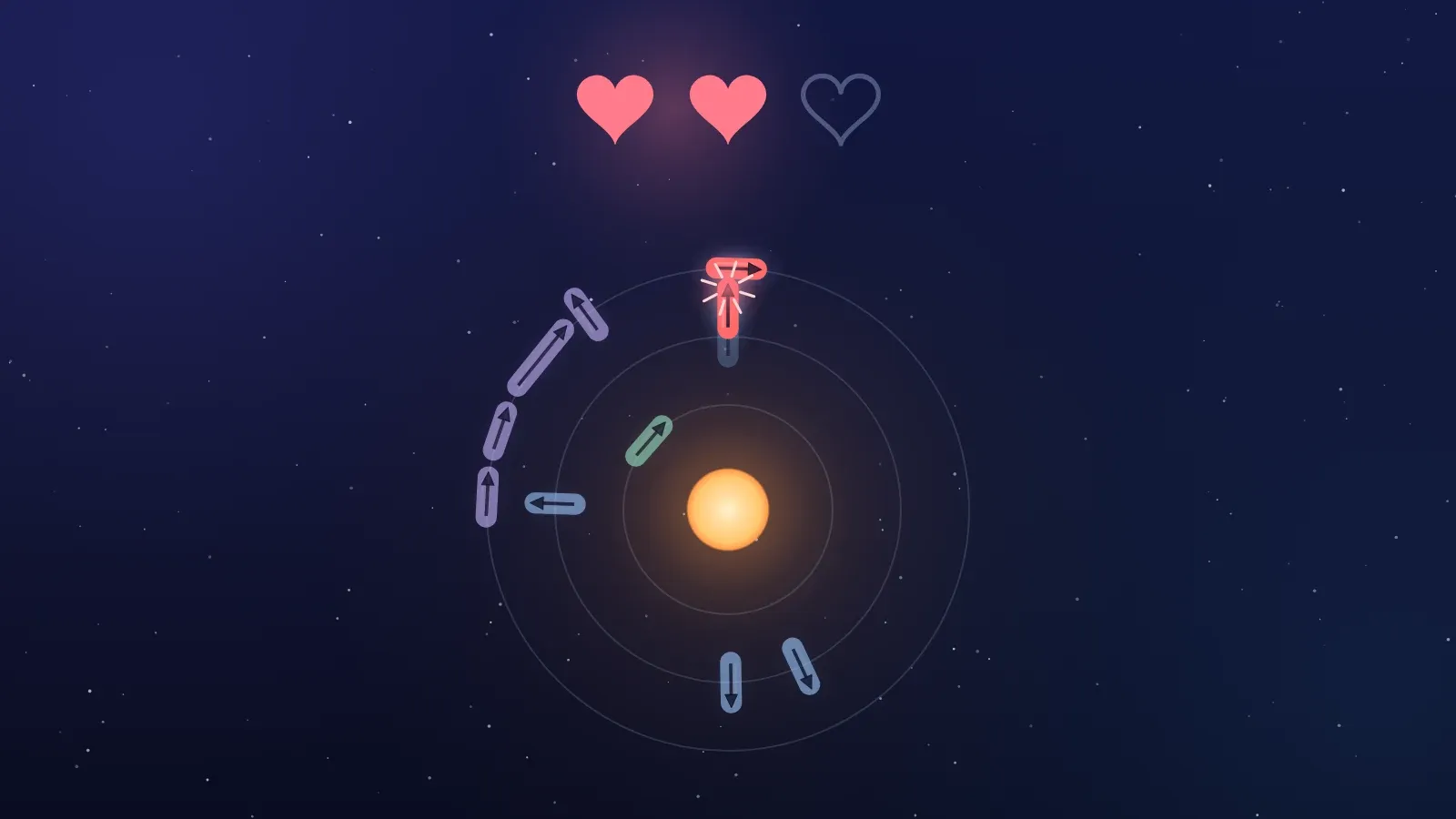
Learn Apsis on its first five skies: tap an arrow and it flies straight out if its way is clear, or bounces back and costs one of your three hearts.

Orbits, clear paths and the astronomy behind the name, from the game where every arrow wants out.
Learn Apsis on its first five skies: tap an arrow and it flies straight out if its way is clear, or bounces back and costs one of your three hearts.
In the Apsis daily, every player gets the same system and three hearts, and the clock never stops for a miss. How it works, and how your daily streak is counted.
Apsis, the calm arrow puzzle set in a small planetary system, is live on Google Play. What's in it, and where to start.
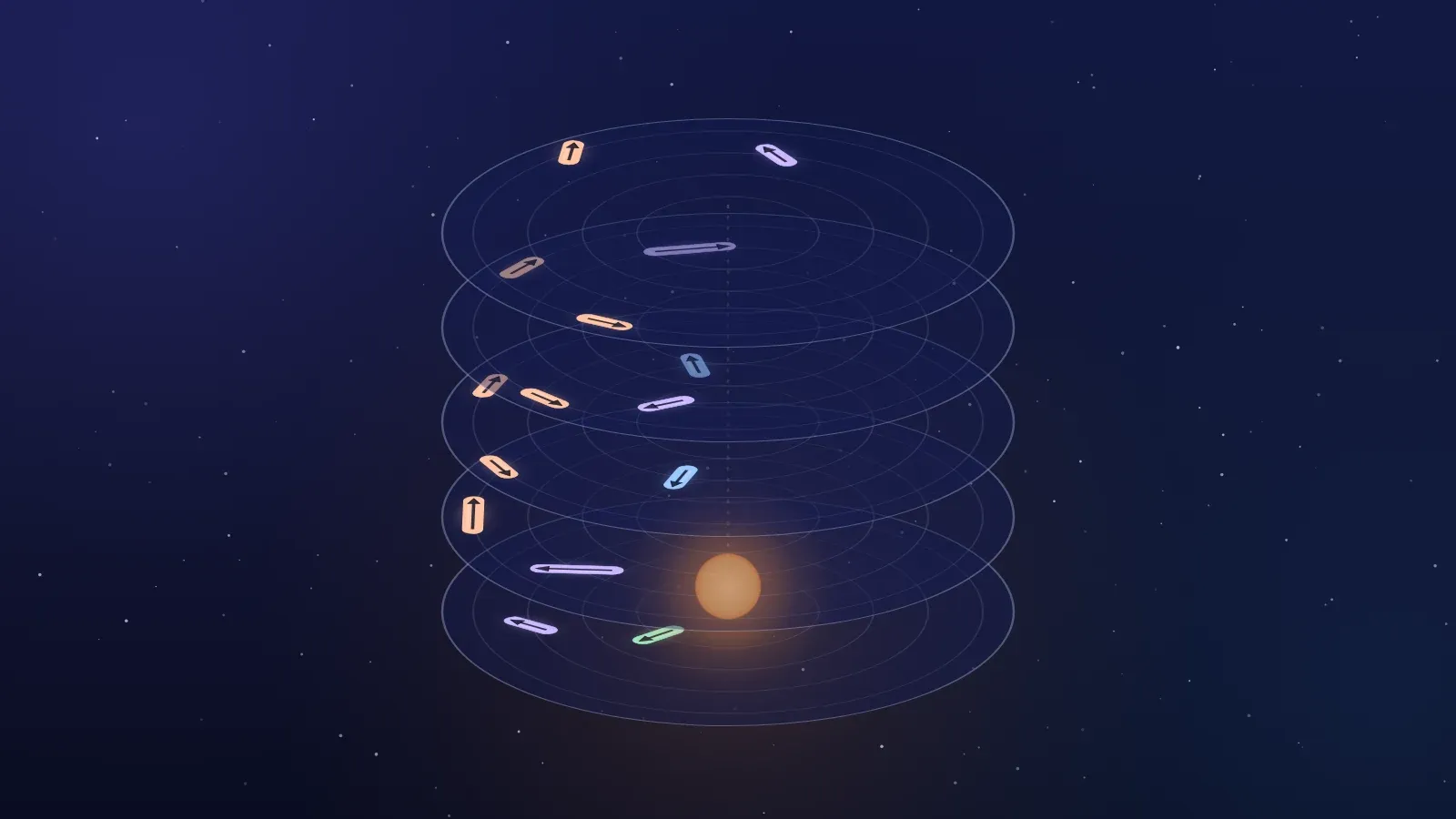
How Apsis builds each level backwards so it can always be cleared, aims arrows to block, measures difficulty in reads, orders the levels and refuses repeats.
What the Apsis hint lights, why a free arrow is always a safe move, how it picks among free arrows, and what it does at a jam or when you are out of hearts.
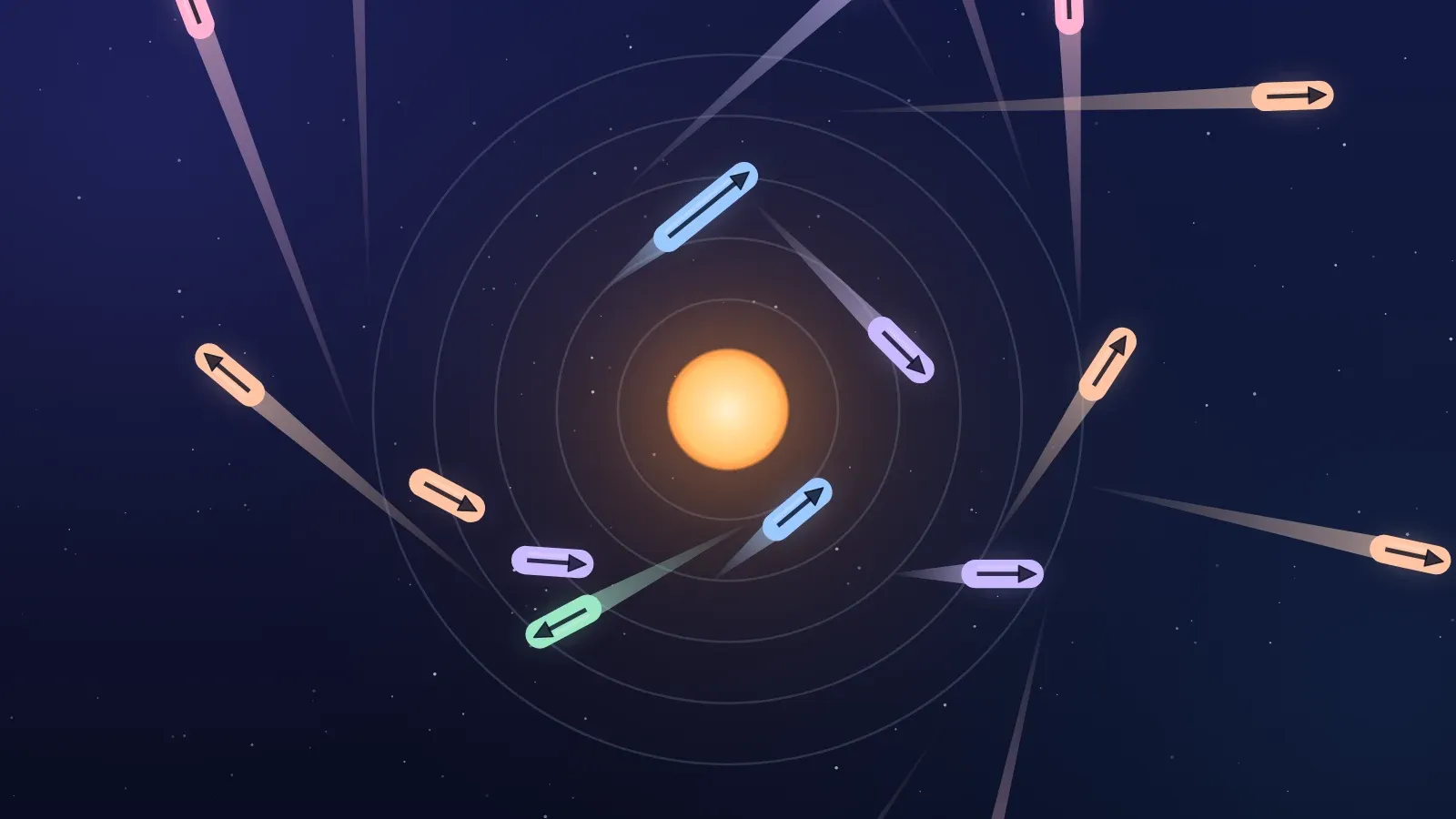
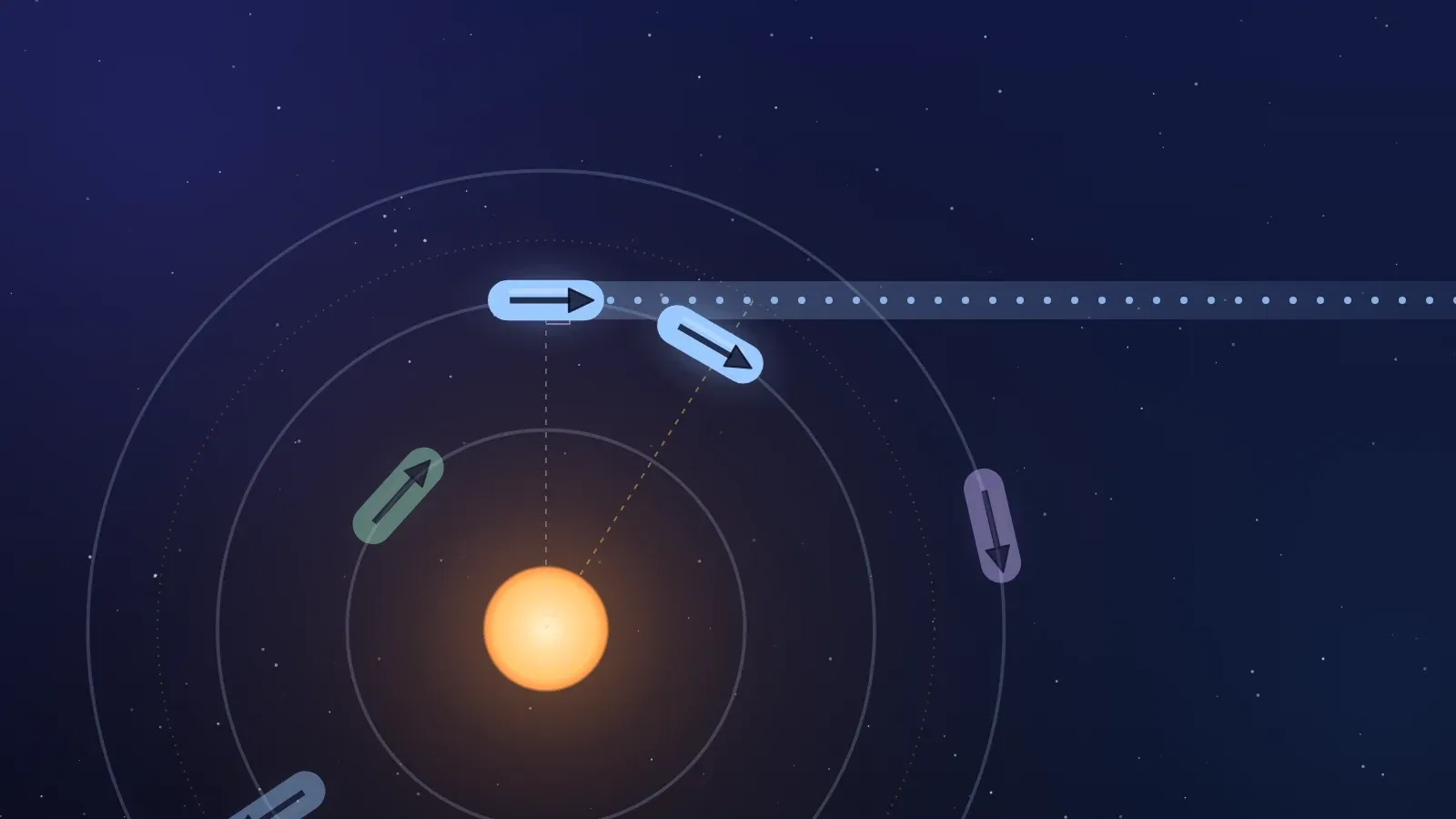
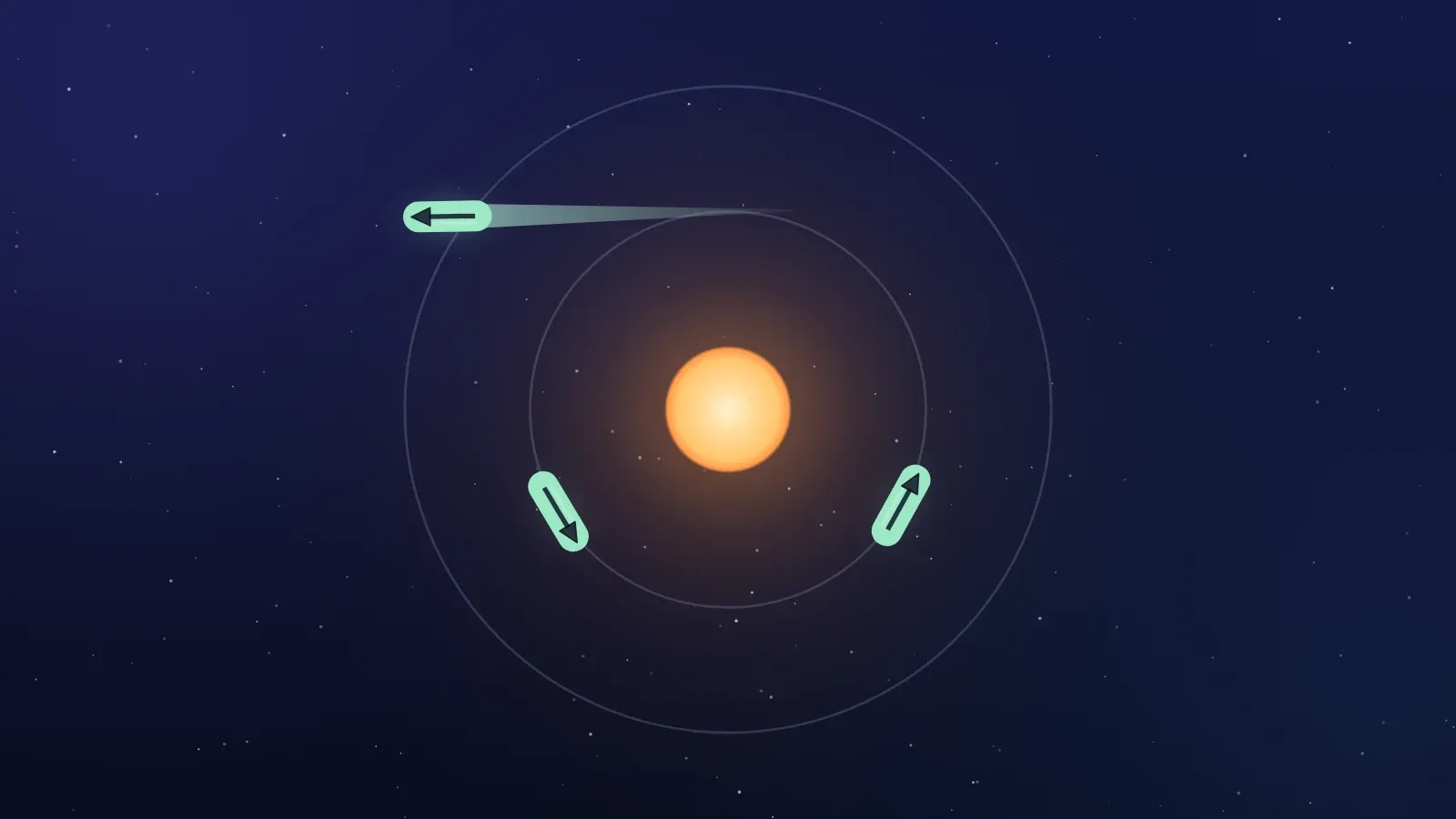
How Apsis works out exactly what a flying arrow hits, why an arrow along its ring catches the one ahead, how close arrows pass the sun, and which arrow you meant.
Ways of reading an Apsis sky that keep your hearts: trace every line first, trust the band over the line, doubt arrows pointing out, and read the marks.
Apsis never counts your taps. It counts misses: how three hearts become stars, what a miss costs, the hearts a level means you to spend, and retrying.
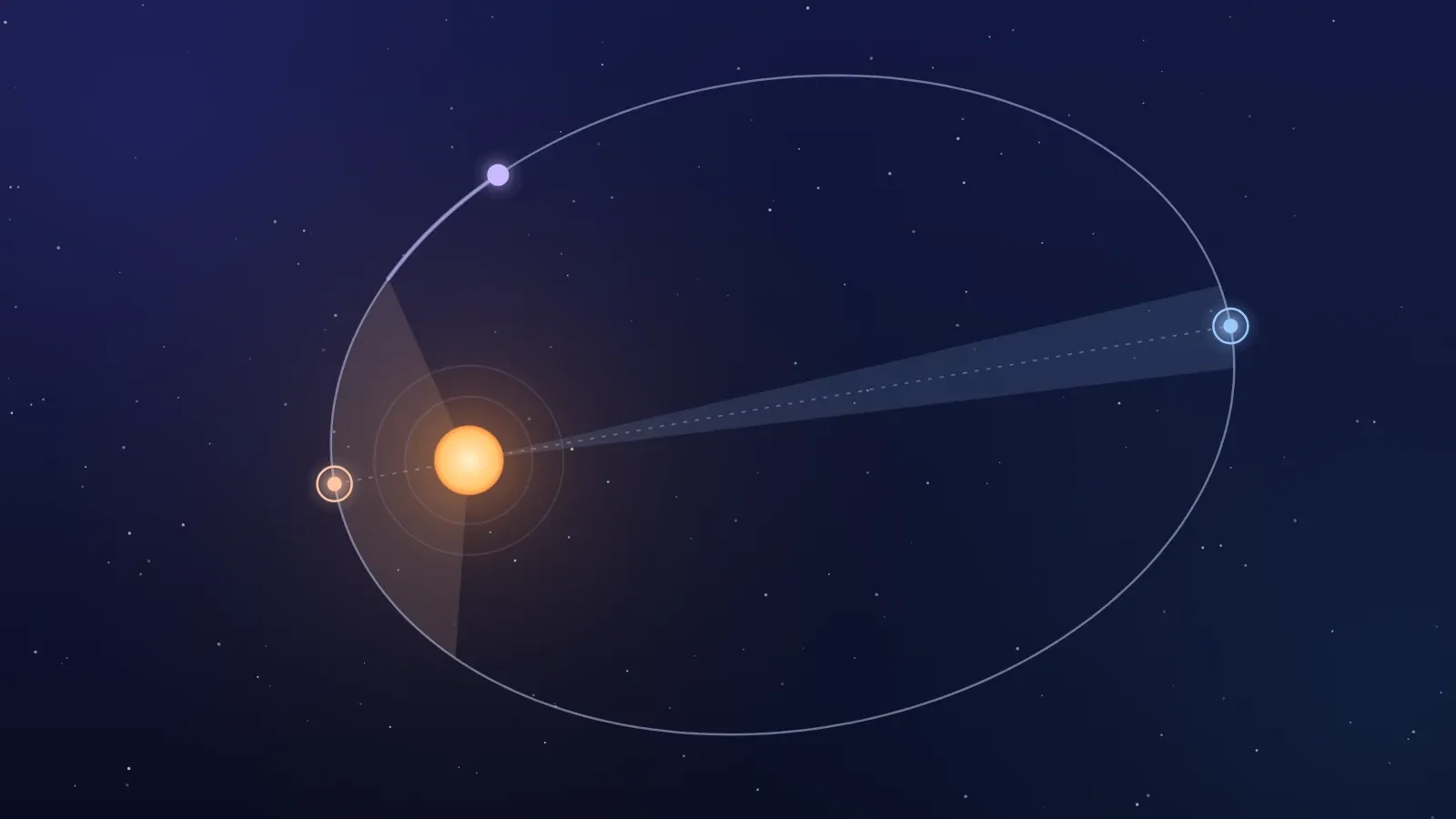
An apsis is the point of an orbit nearest to or farthest from the body it goes around. Periapsis, apoapsis, perihelion and apogee, and why a puzzle game took the name.