Learn Plumb in one board: tilt, roll, drop
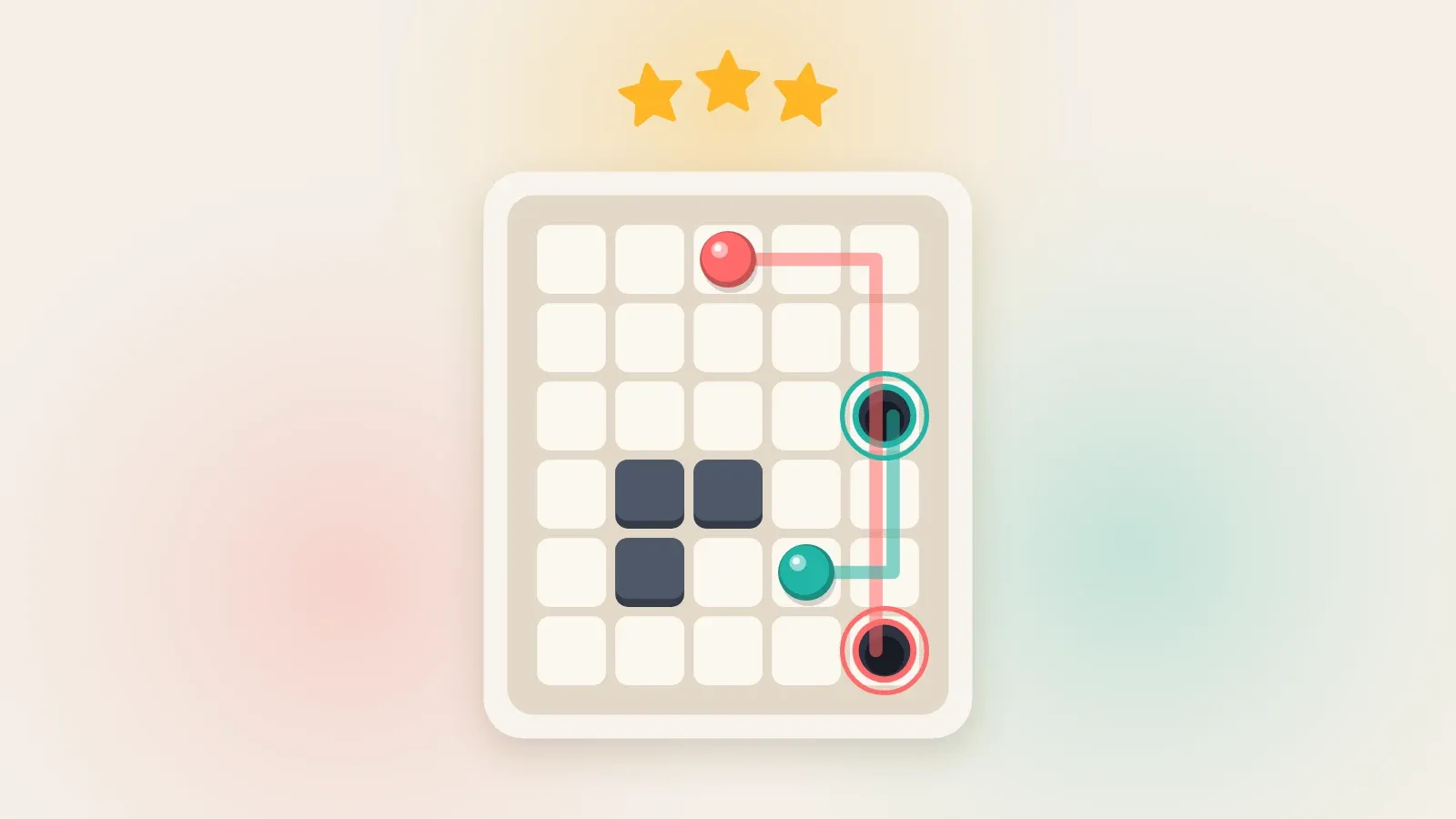
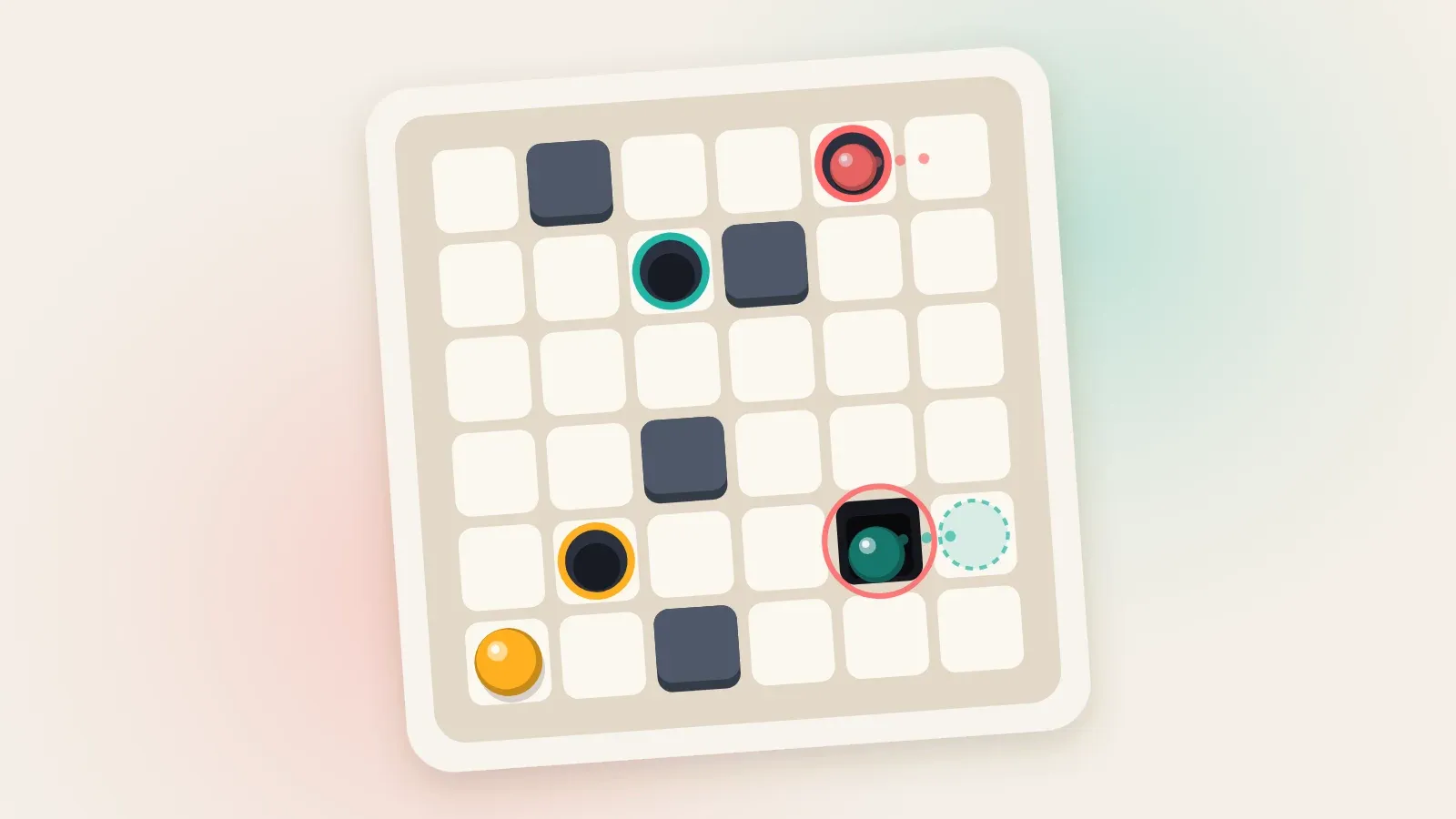
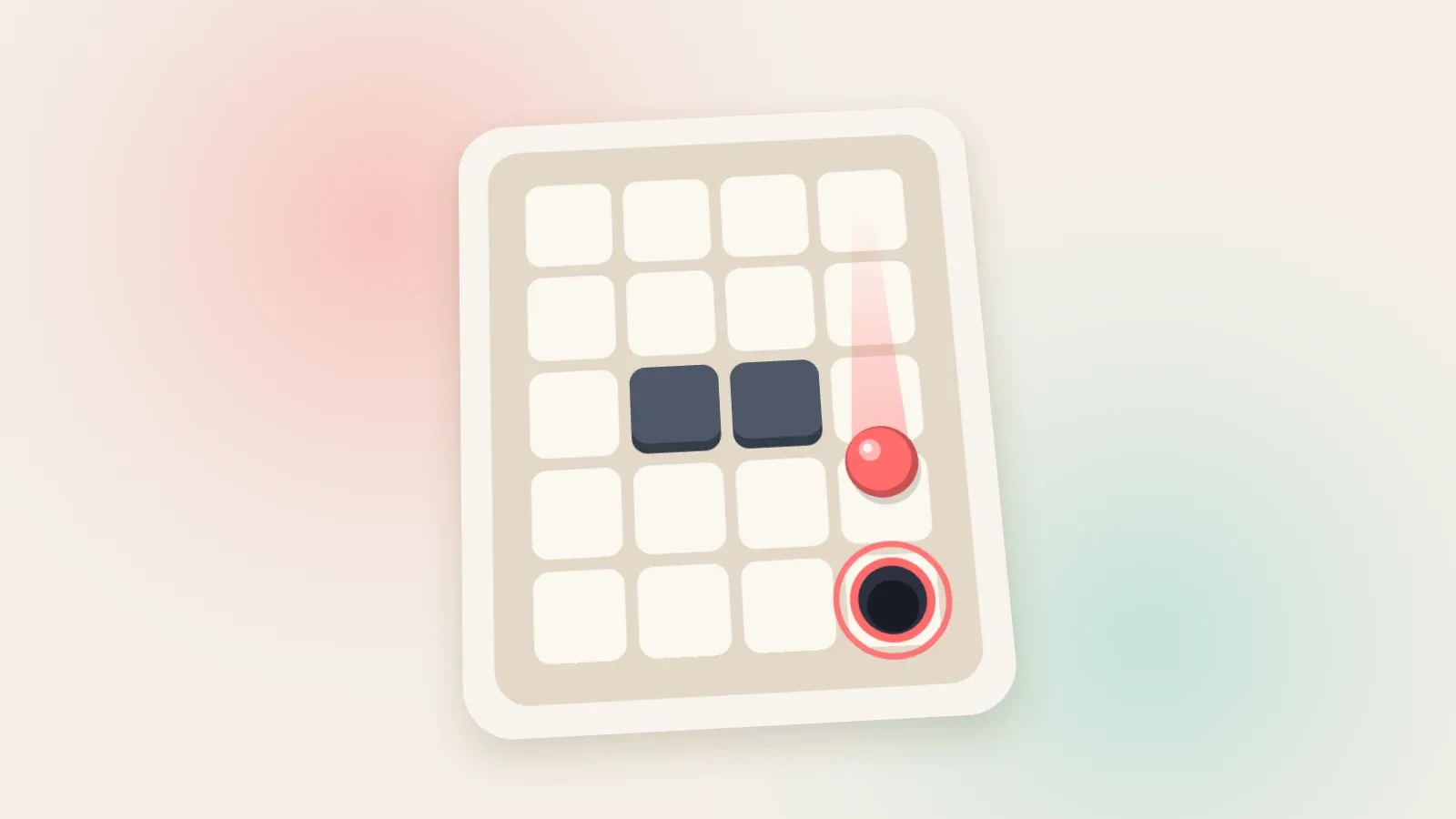
Plumb's rules, taught by its first real boards: swipe to tilt, every marble rolls until something stops it, and each one drops into the hole of its own colour.

Guides, tips and the maths of tilting, from the game where every marble rolls at once.
Plumb's rules, taught by its first real boards: swipe to tilt, every marble rolls until something stops it, and each one drops into the hole of its own colour.
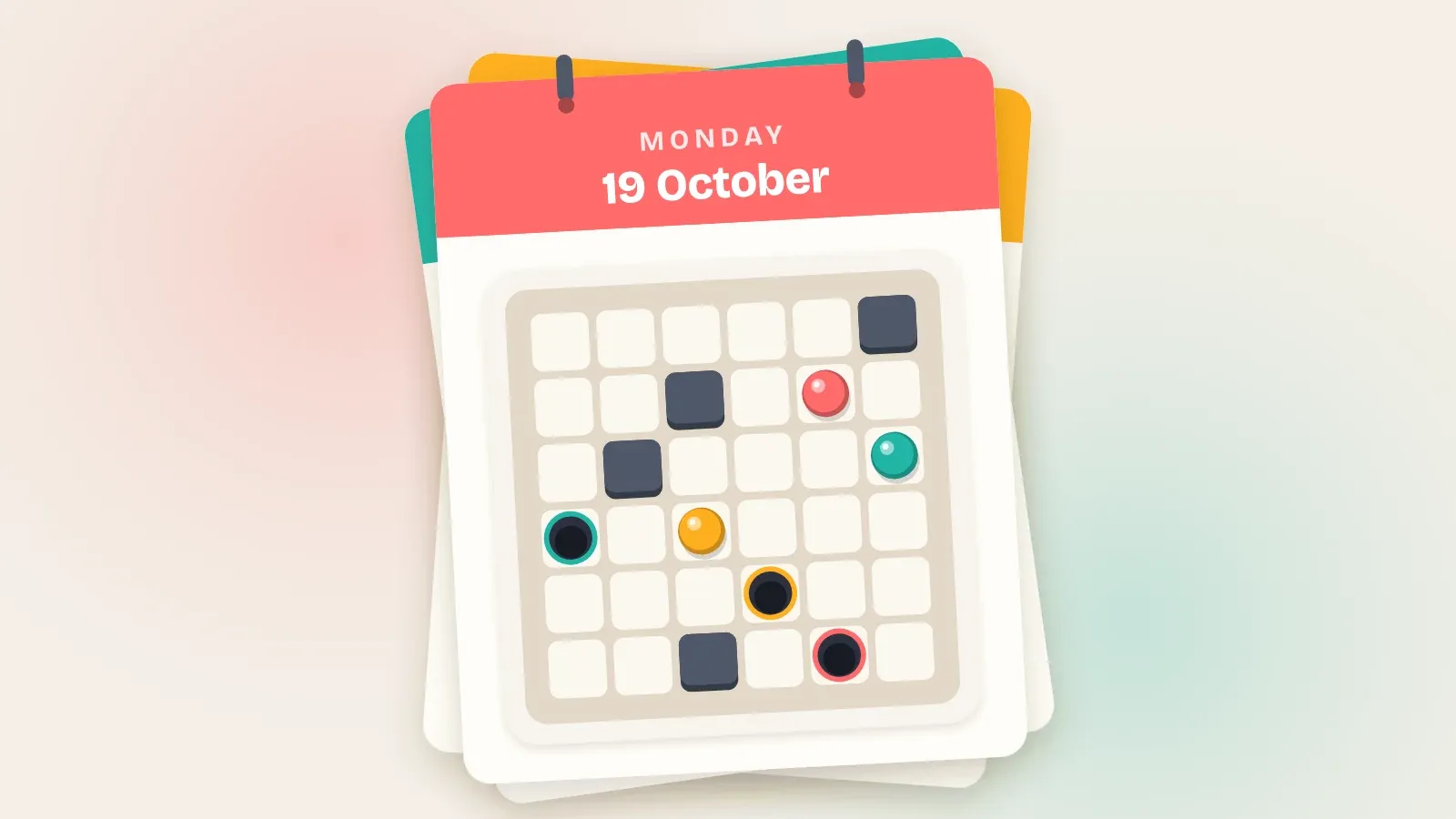
Plumb has a daily puzzle: the same board for every player, a clock in place of stars, and a streak to keep. How it works, and how to get faster at it.
Plumb, the calm marble puzzle where one tilt moves every marble at once, is live on Google Play. What's in it, and where to start.
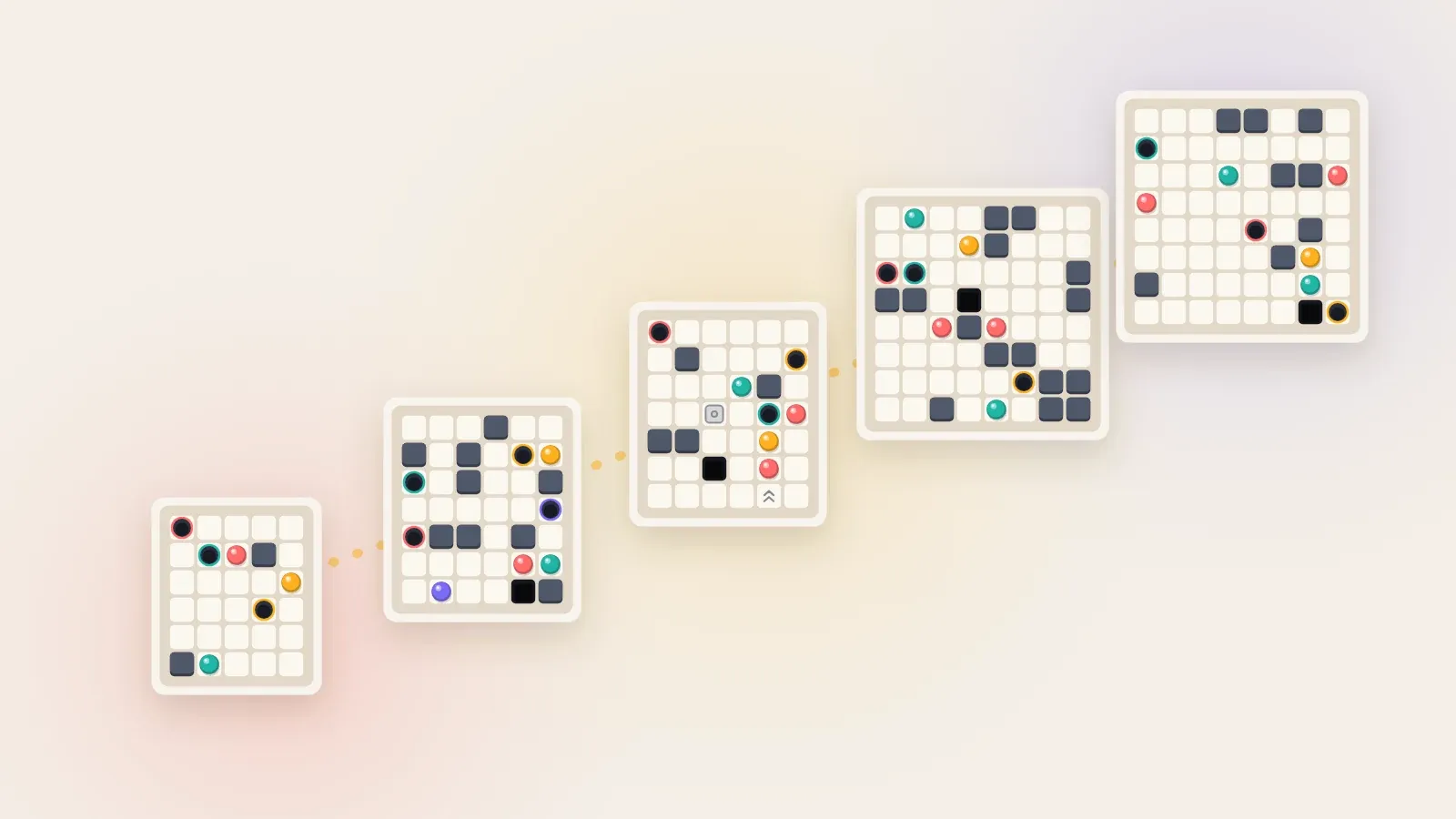
How Plumb's levels are made: random boards, a solver that sets the goal, a test that each chapter's rule matters, and a pass that strips tiles the best route never needs.
Plumb's goal is the fewest tilts a solver could find, not a guess. How it is worked out, how stars are counted against it, and a way to reach it more often.
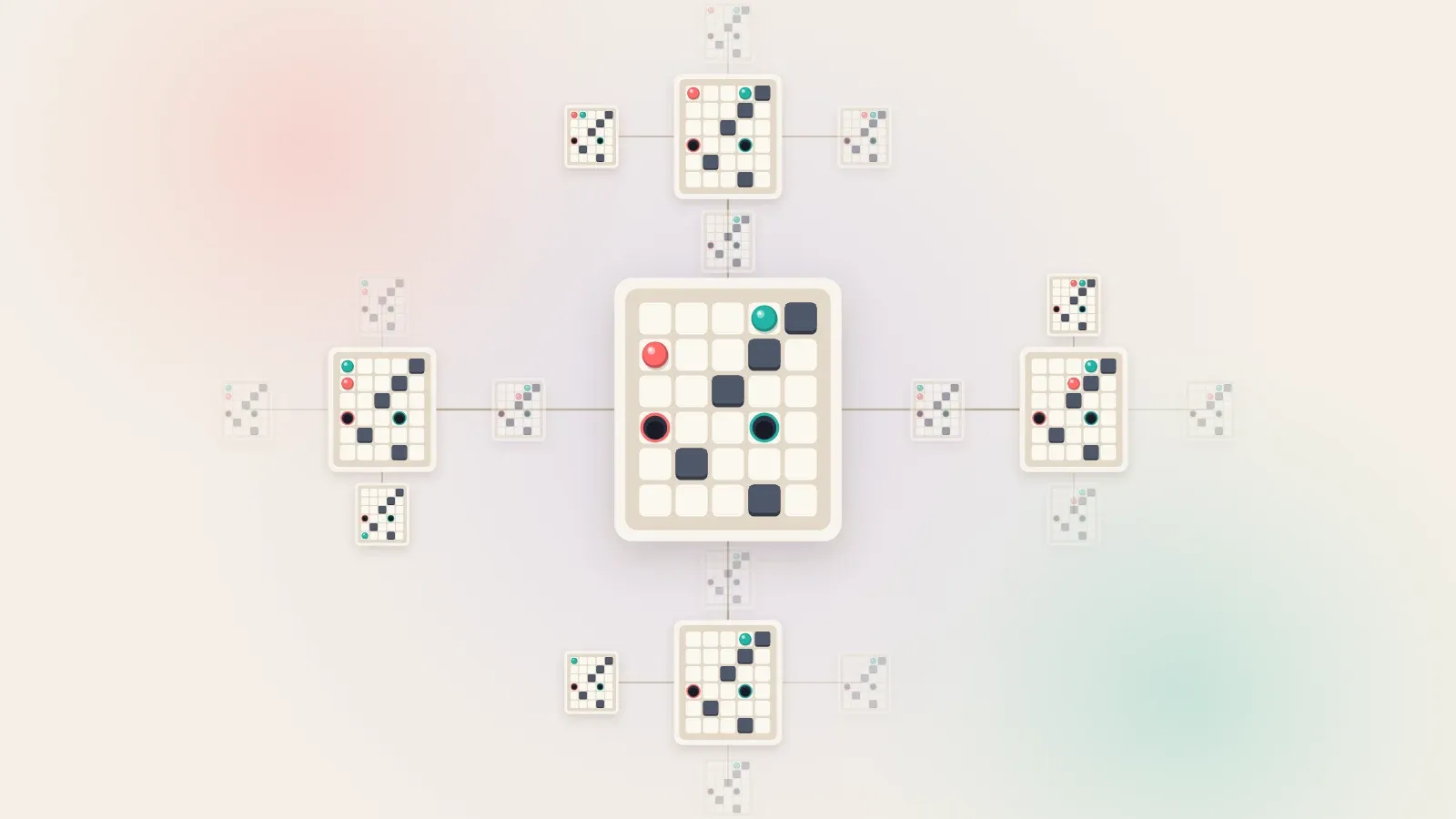
Plumb has only four moves, yet its longest levels take over twenty tilts. How moving every marble at once grows a vast tree of sequences that folds into few positions.
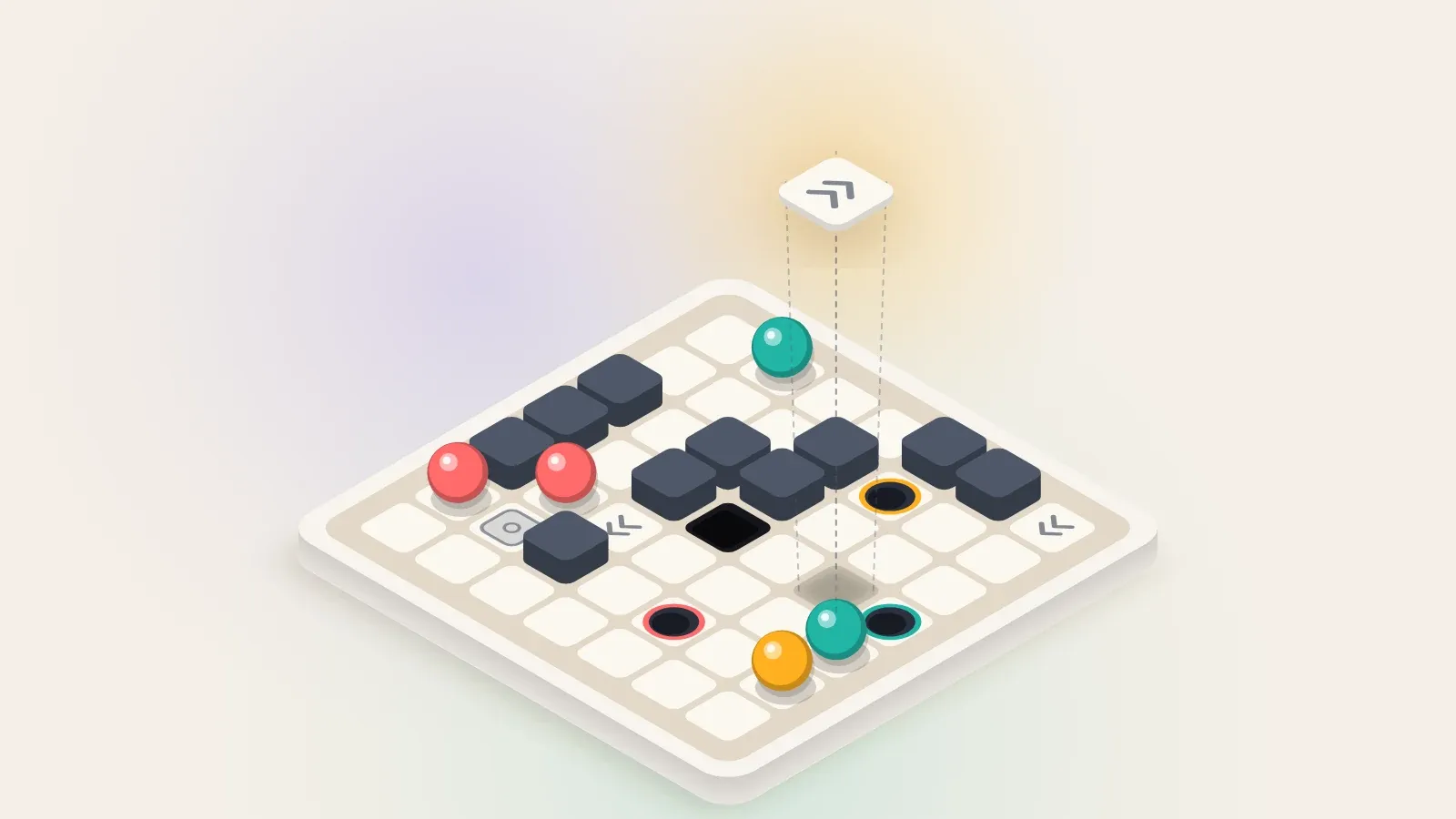
How Plumb's square pits work, what Undo and Restart give back, and how to use them to explore a board, since a mistake costs one tap and nothing else.
Plumb's hint draws your best next tilt on the board with trails, ghost marbles and rings. What each mark means, how the solver picks it, and how to learn from it.
Ways of looking at a Plumb board that make levels click: find the stops, judge a tilt by every marble, distrust the easy drop, and ask what each tile is for.