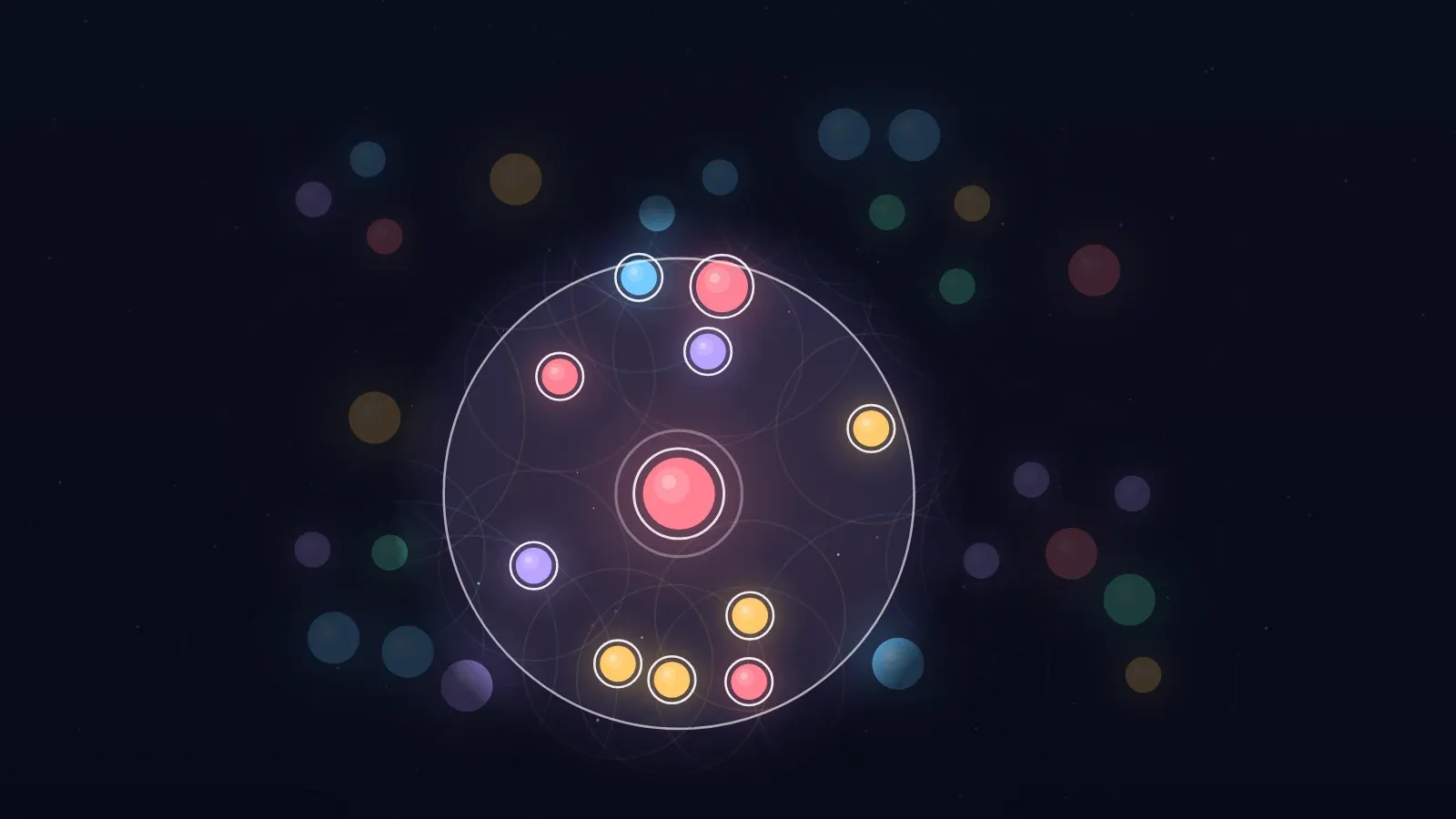
Endless in Sunwise: how long can you keep the star burning?
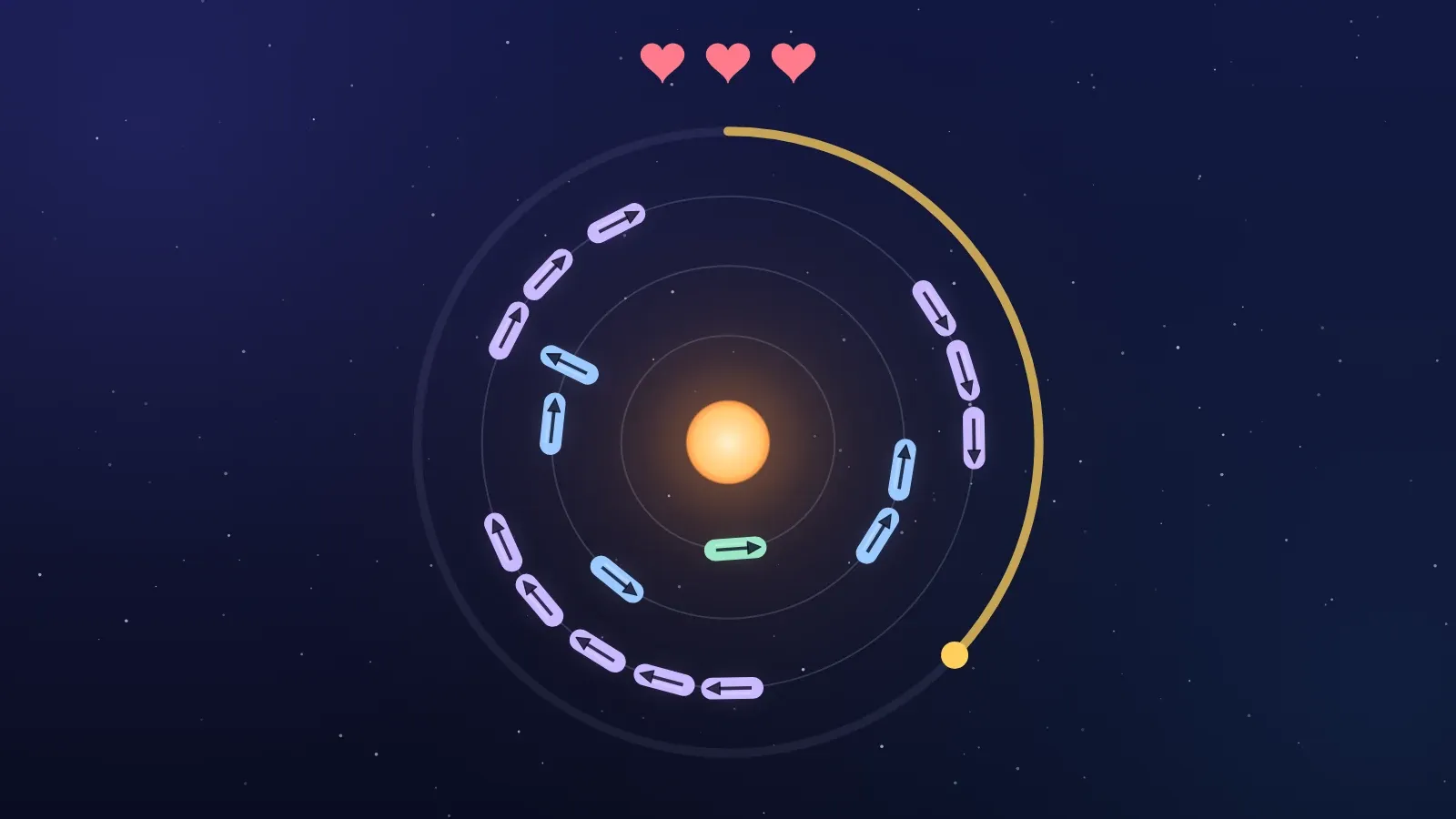
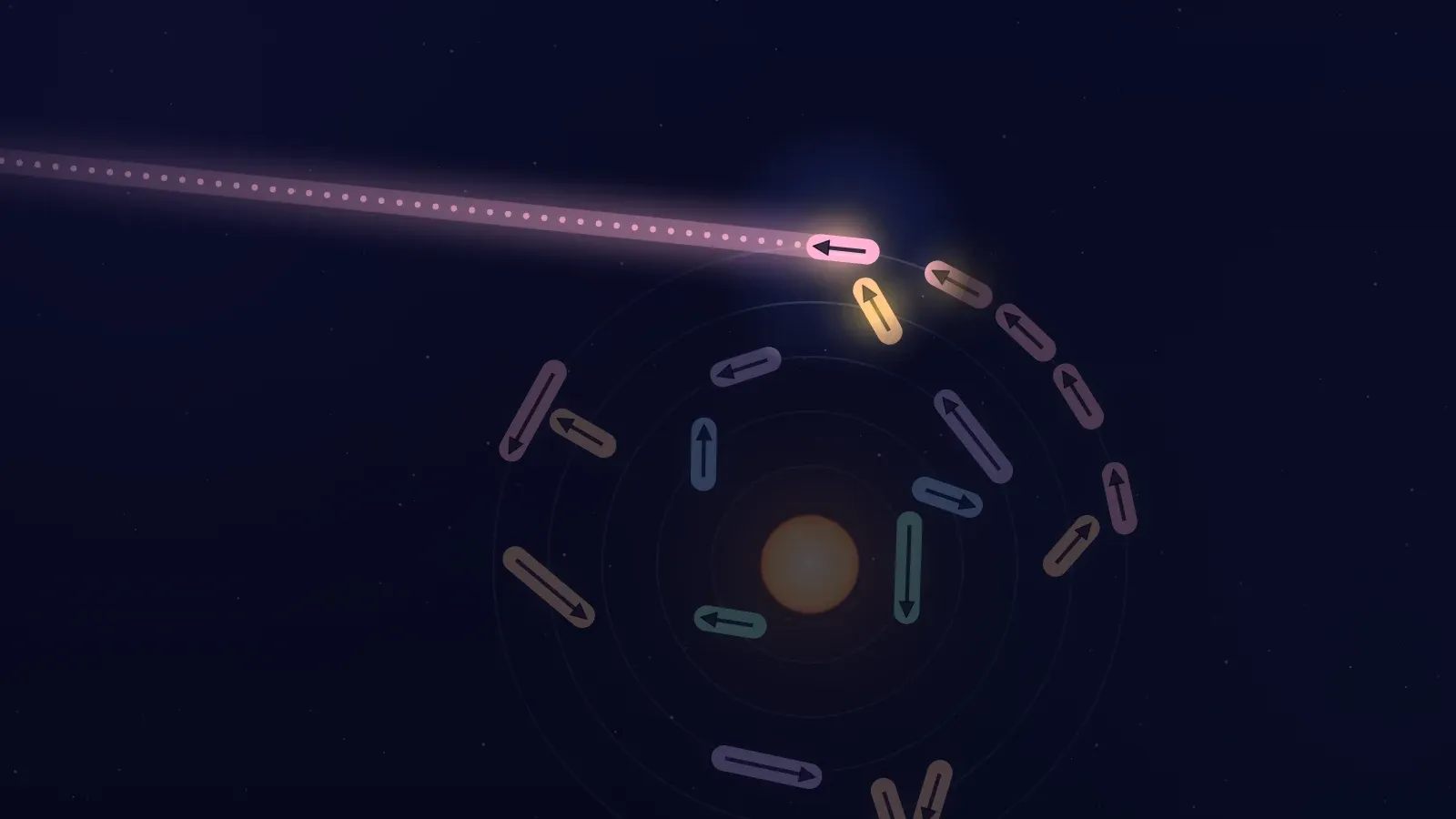
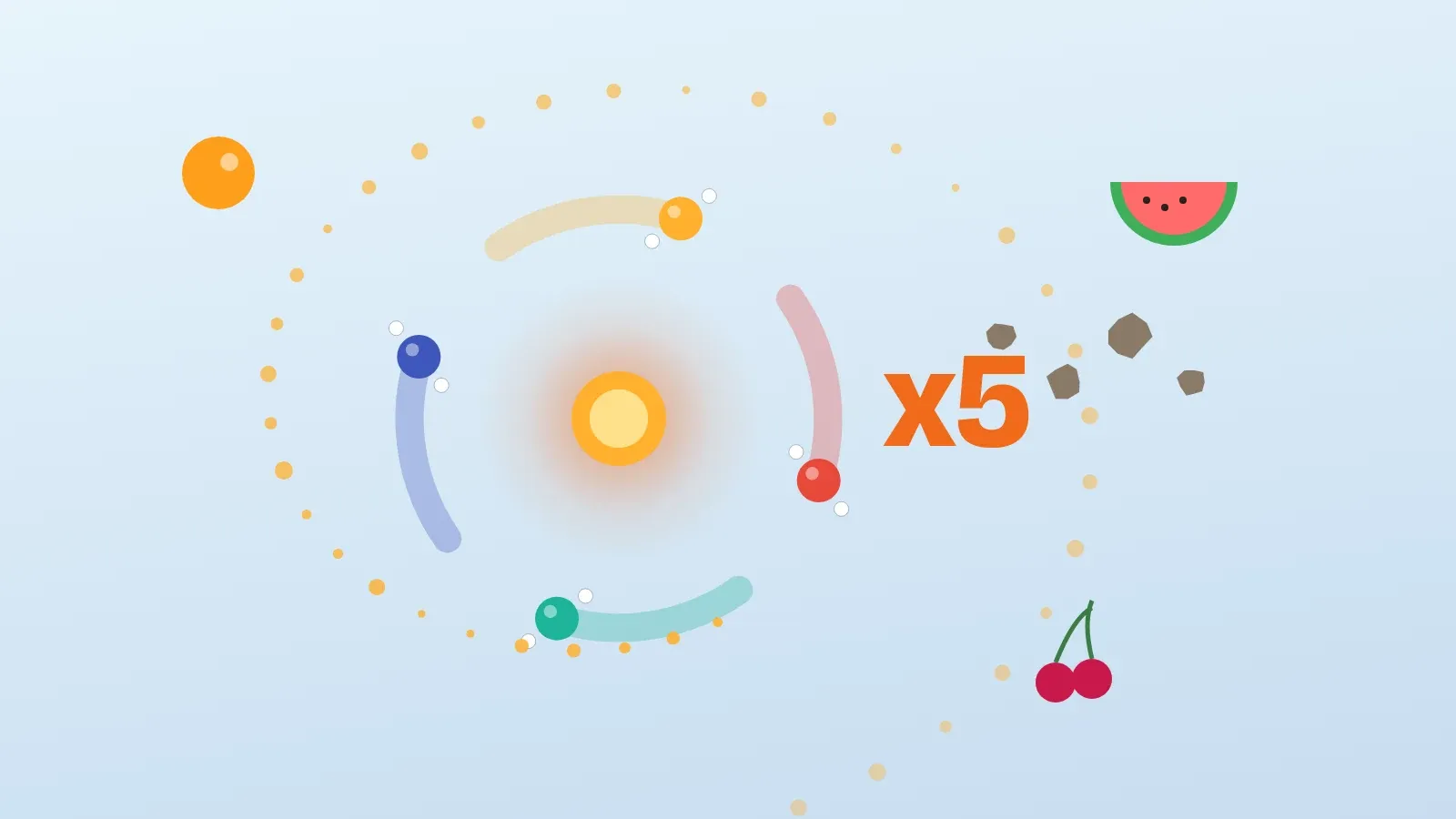
Sunwise's Endless is one sky that never clears. How the score works, chains up to x5, bosses on a clock, twists, fruit, and why speed is what finally beats you.
20 posts
Sunwise's Endless is one sky that never clears. How the score works, chains up to x5, bosses on a clock, twists, fruit, and why speed is what finally beats you.
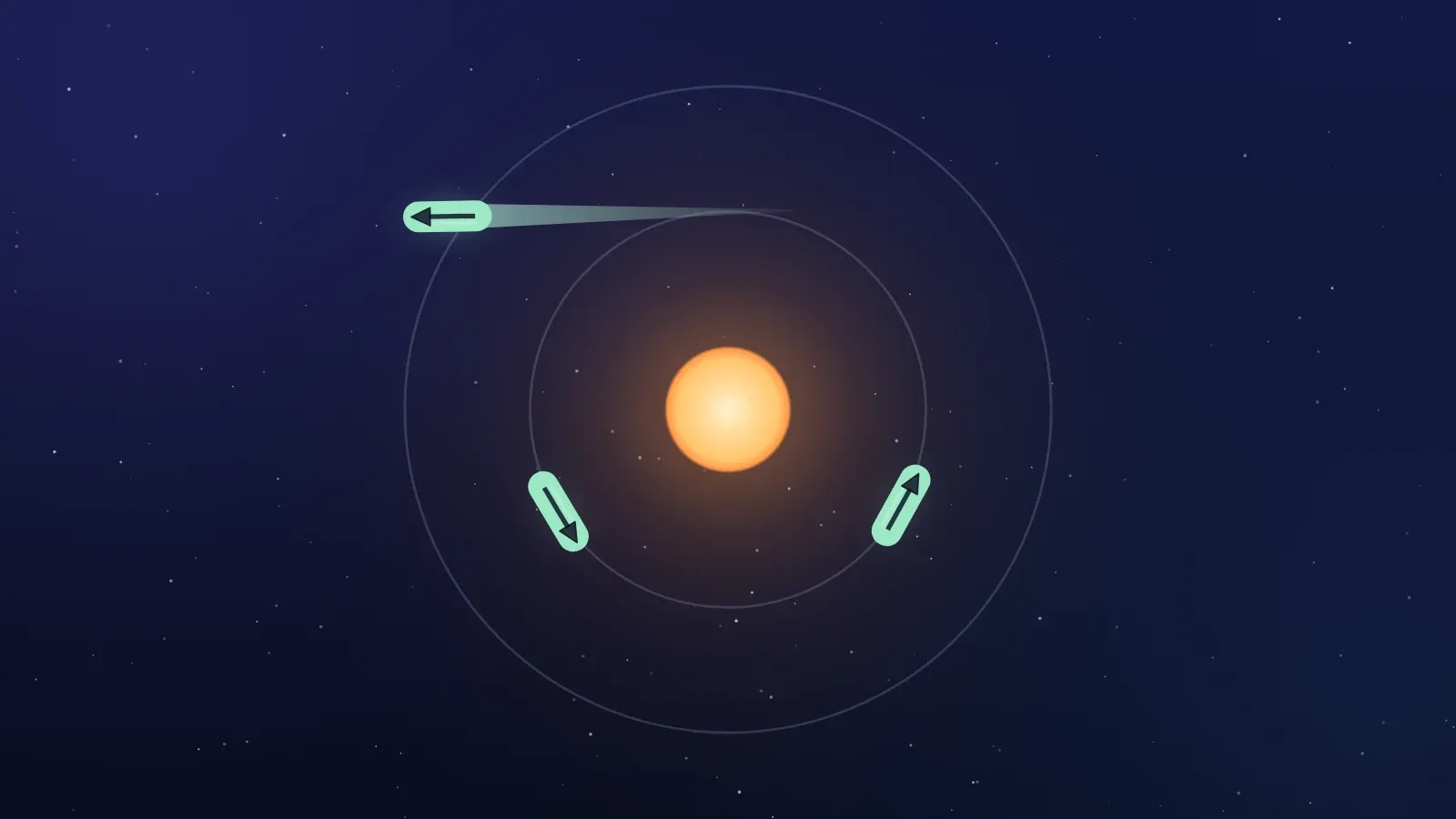
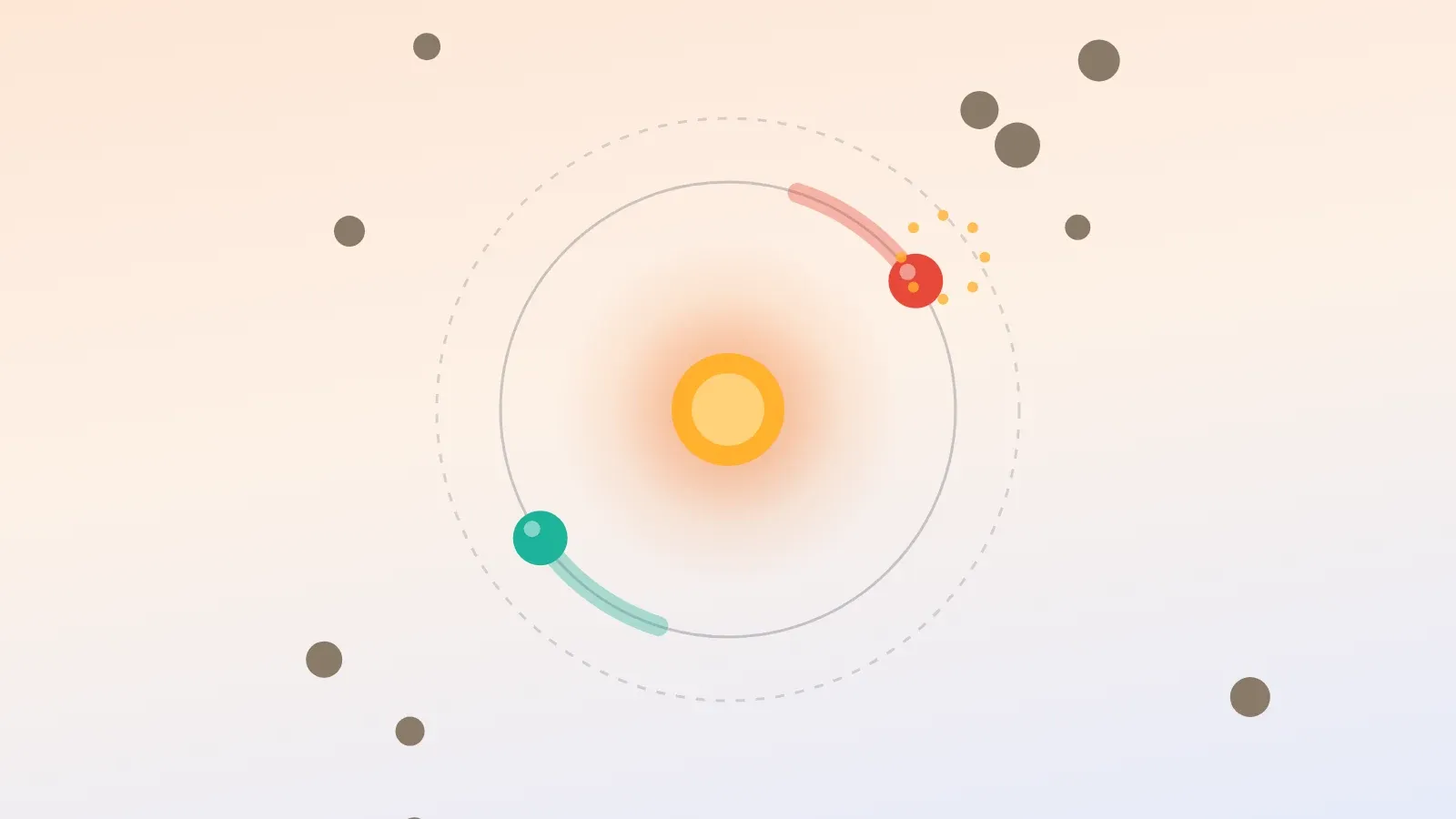
Learn Sunwise in its first stages: hold anywhere, and your thumb sets how wide your planets swing round the star. Hazards, upgrades, stars and the daily sky.
Learn Rinse on its first boards: pour above the dirt, let the water carry it away, and wash every tile before the tank runs dry. Stars, undo and the hint.
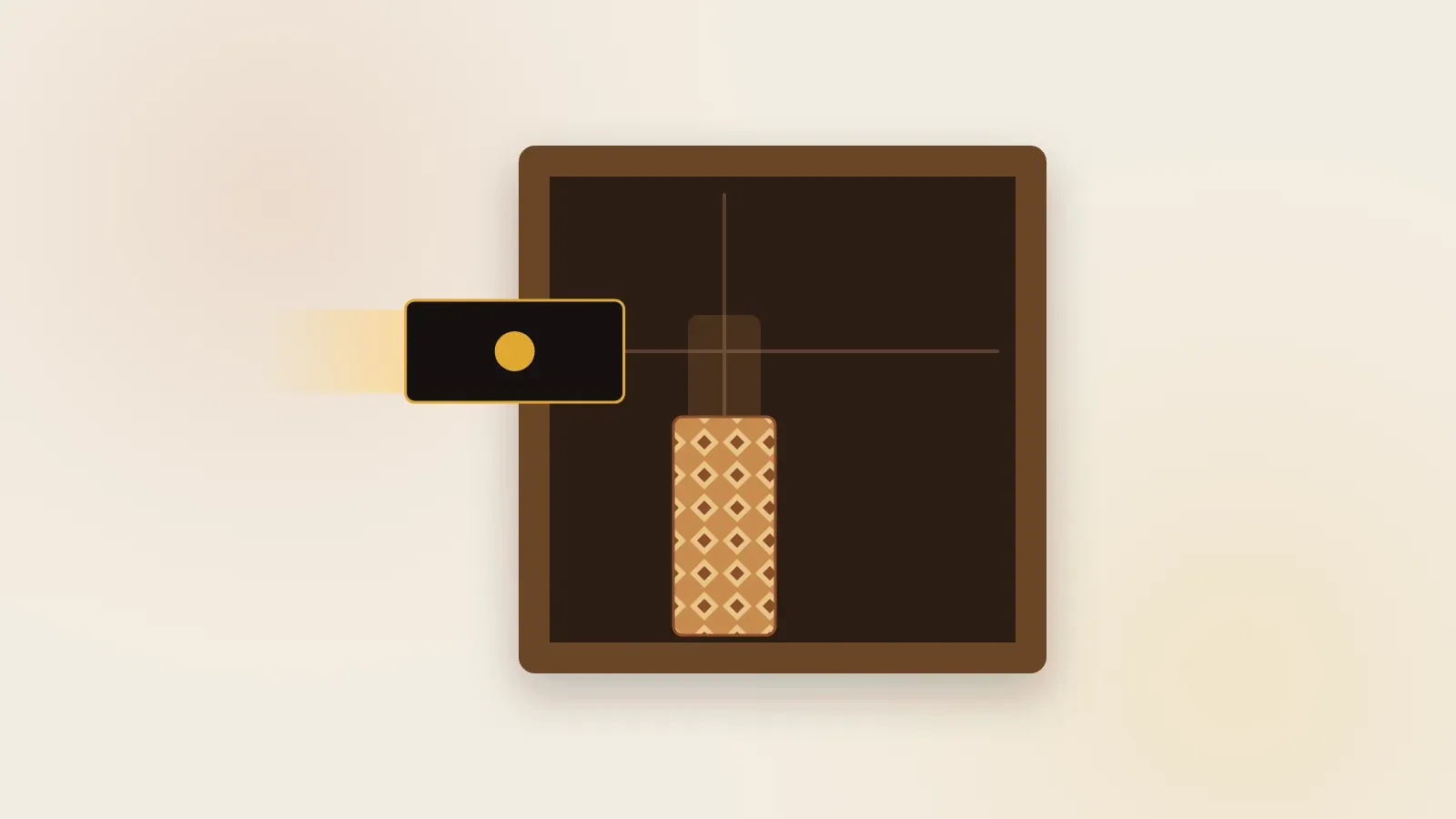
Learn Hako on its first boxes: slide each panel along its groove until the lid can leave. Brass pins, stars, the hint and the treasures, one box at a time.
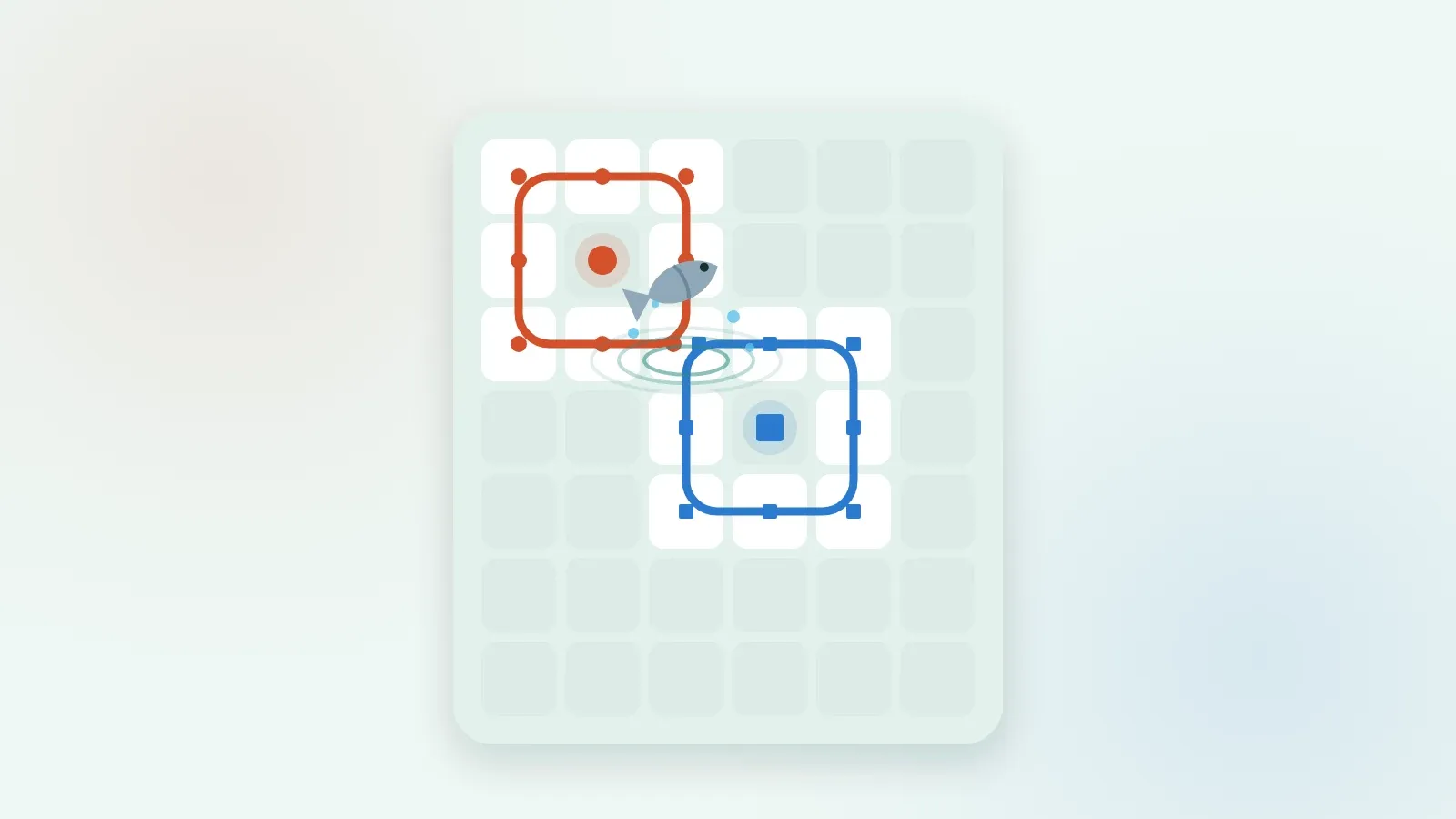
Learn Seiche on its first ponds: read where the rings meet, cast, and catch every fish without a miss. Calm water, stars, the hint and the album.
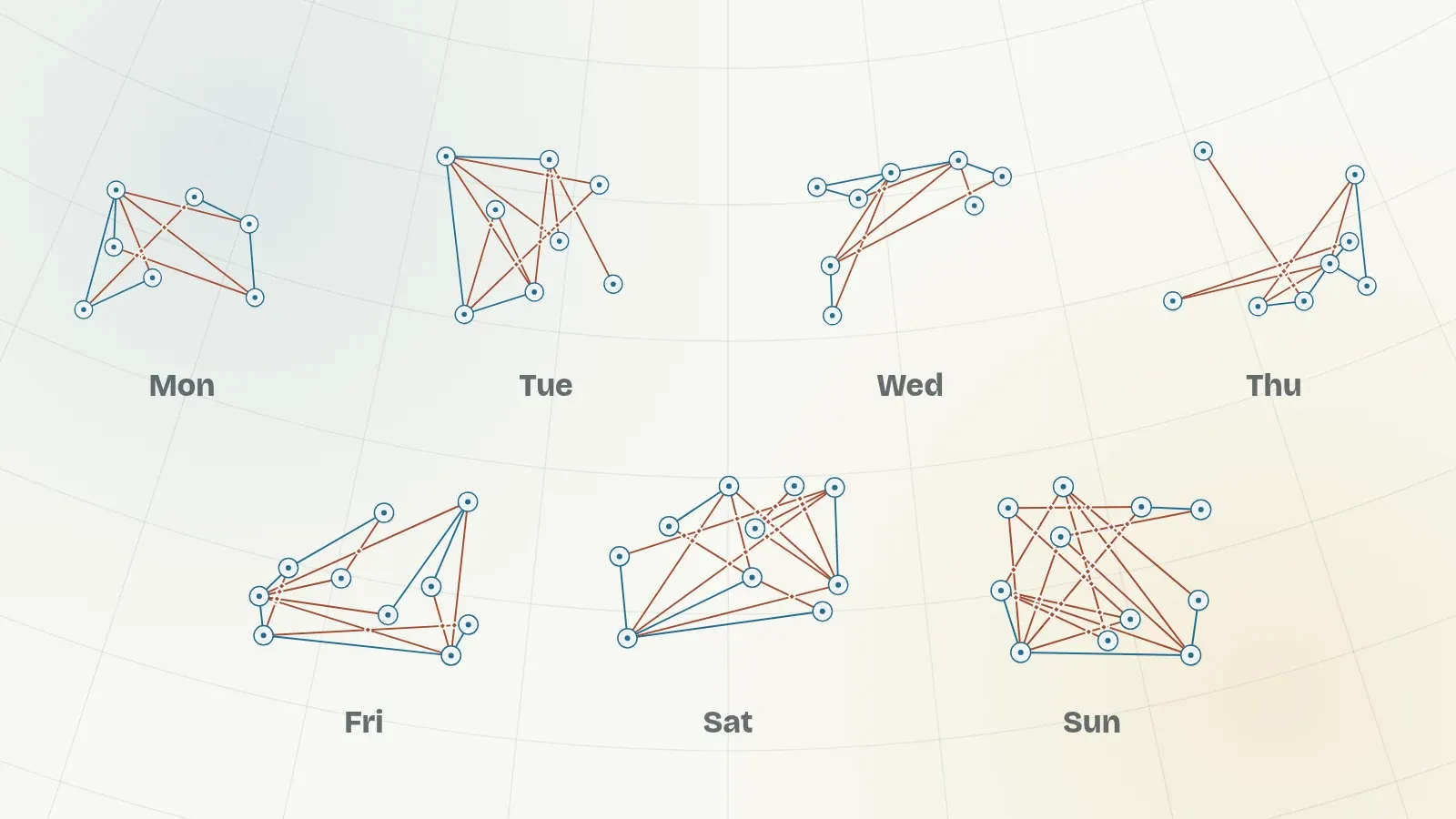
Pyxis now has a daily web. Every player untangles the same one, the clock runs, and Play Games keeps a leaderboard. What daily webs are like and how to clear them fast.
In the Apsis daily, every player gets the same system and three hearts, and the clock never stops for a miss. How it works, and how your daily streak is counted.
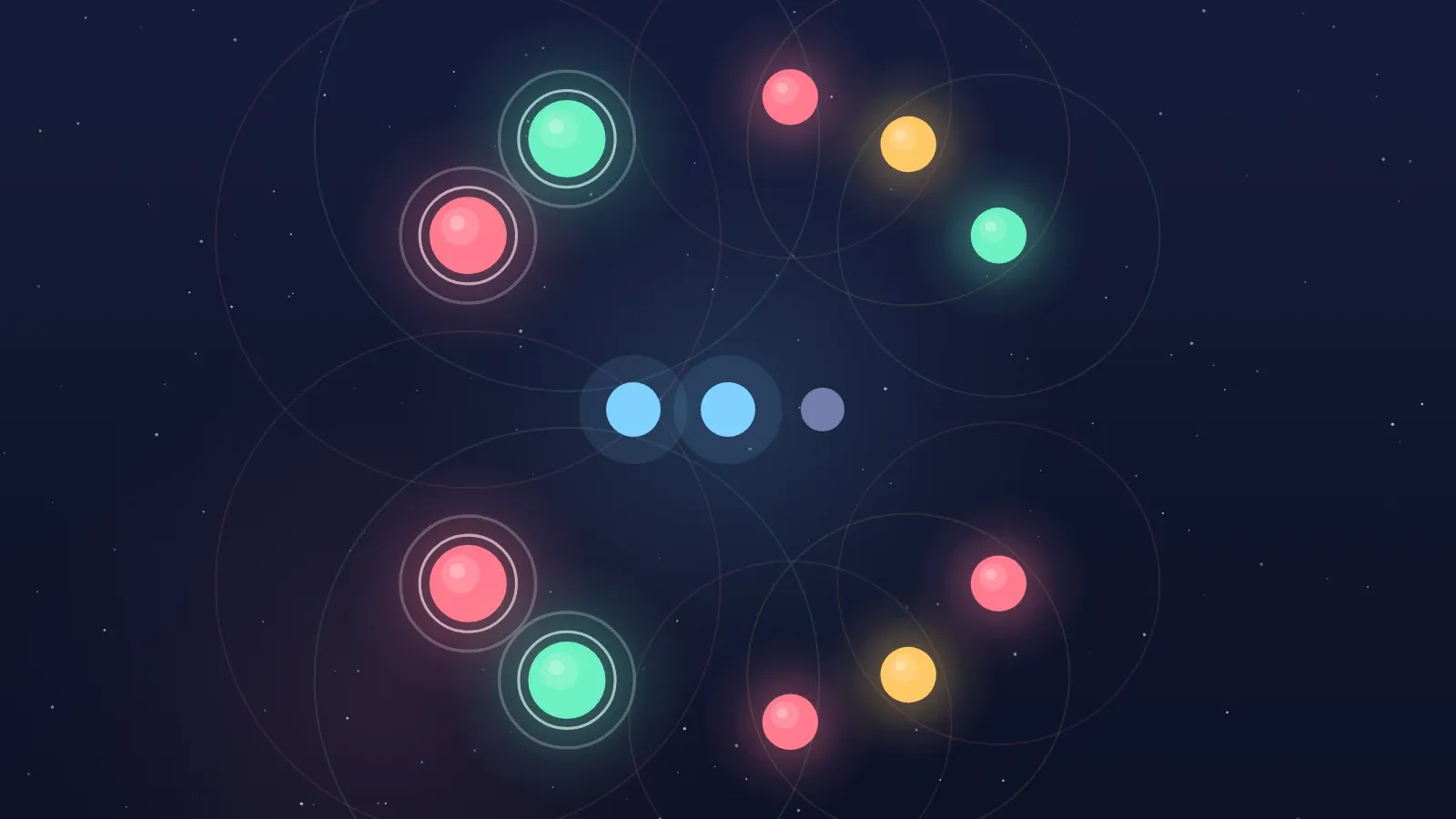
Carillon's daily puzzle gives every player the same field, and it changes at 12:30 in the afternoon in India. How the clock, taps and streak work, and how to be quick.
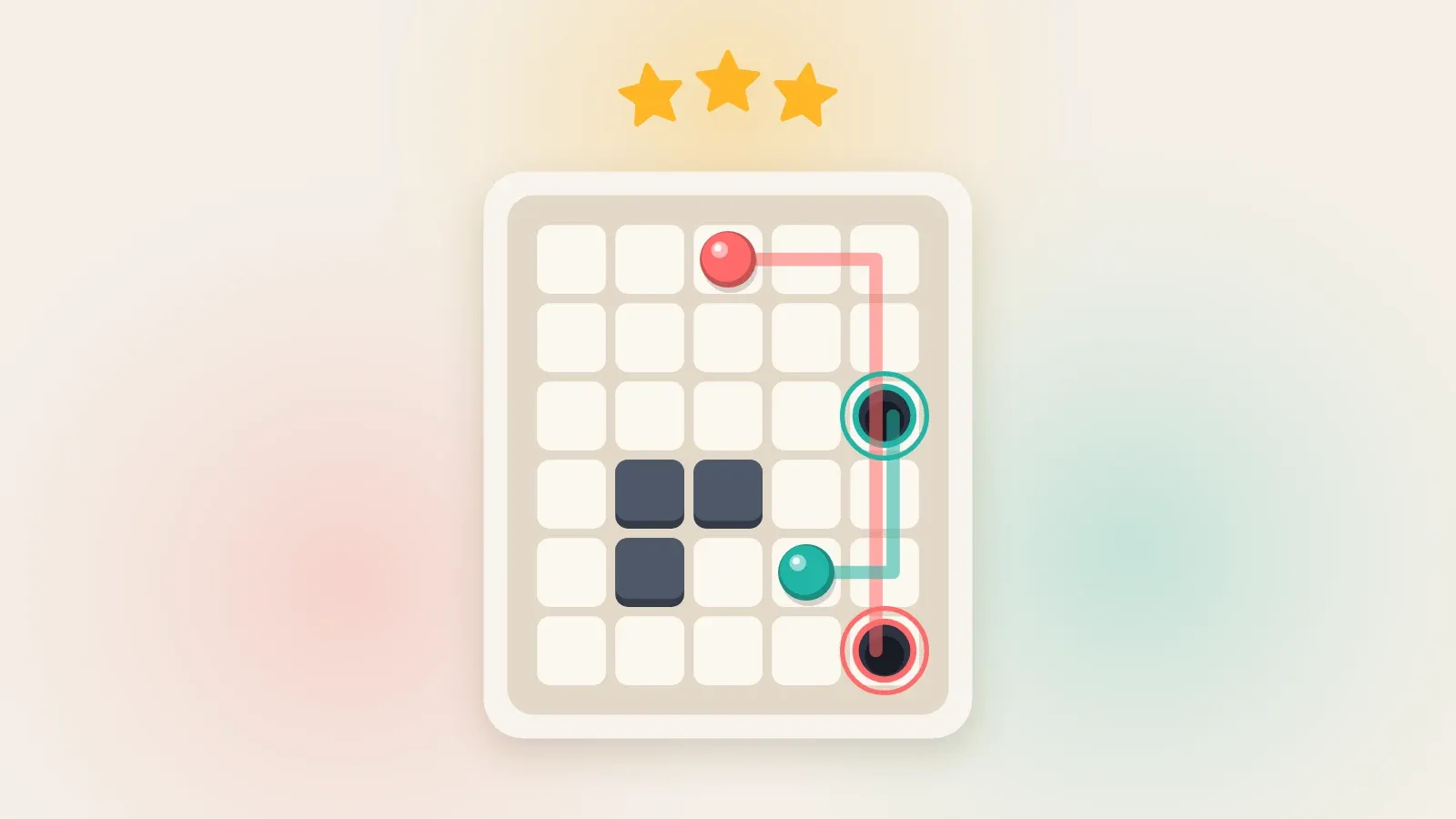
Plumb has a daily puzzle: the same board for every player, a clock in place of stars, and a streak to keep. How it works, and how to get faster at it.
Learn Pyxis on its first webs: drag a round knot anywhere, let go, and clear every tangle. Square knots, rails, rings, stars and the hint, one board at a time.
What the Apsis hint lights, why a free arrow is always a safe move, how it picks among free arrows, and what it does at a jam or when you are out of hearts.
Plumb's goal is the fewest tilts a solver could find, not a guess. How it is worked out, how stars are counted against it, and a way to reach it more often.
What Carillon's hint lights up, how the solver picks one dot from the field as it stands, what a hint costs, and how to use it to learn a field rather than skip it.
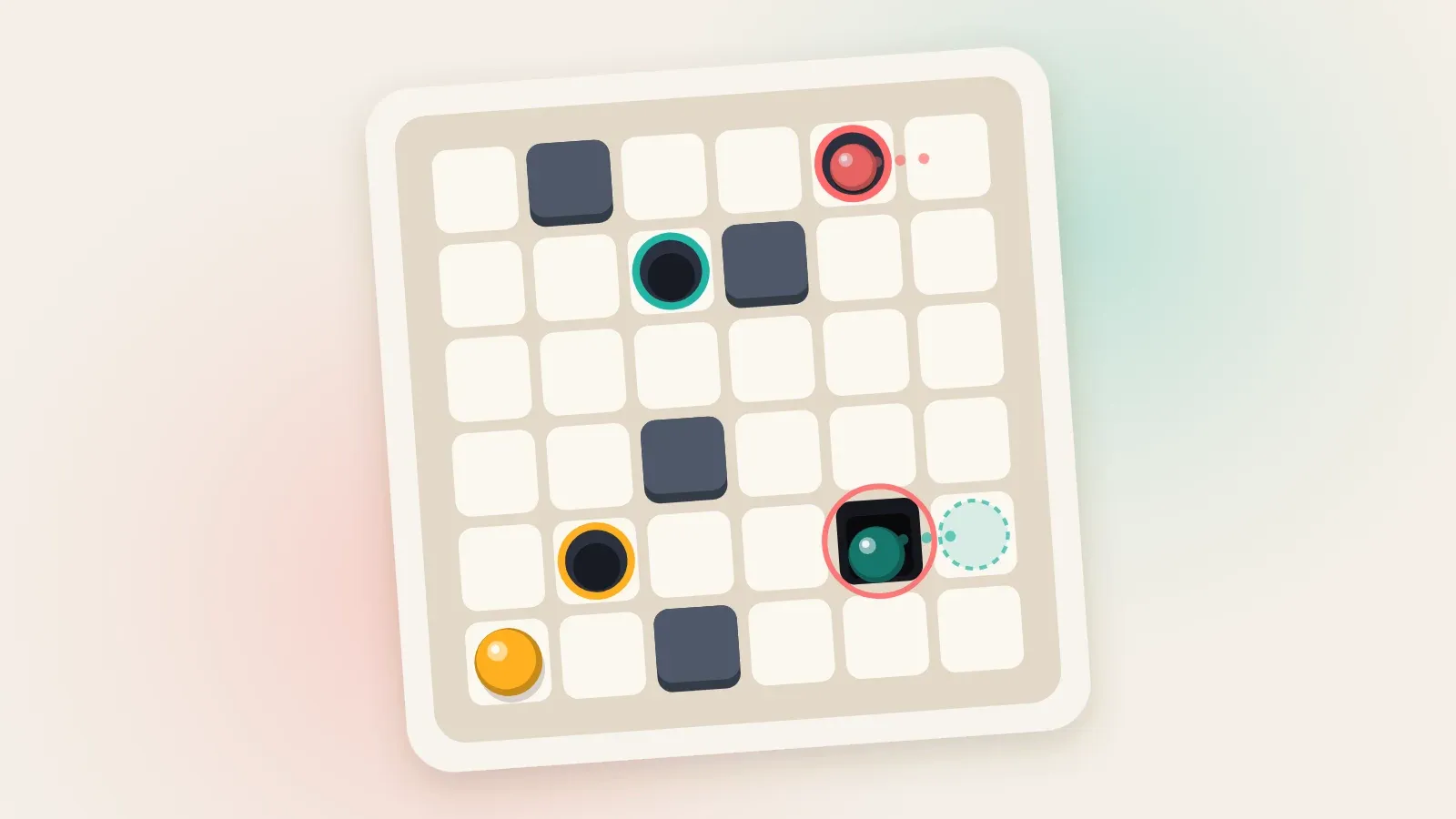
How Plumb's square pits work, what Undo and Restart give back, and how to use them to explore a board, since a mistake costs one tap and nothing else.
How Carillon scores a level against its goal, why every level gives you one spare tap, what the pips and the star meter are saying, and how to find the three-star read.
Apsis never counts your taps. It counts misses: how three hearts become stars, what a miss costs, the hearts a level means you to spend, and retrying.
Plumb's hint draws your best next tilt on the board with trails, ghost marbles and rings. What each mark means, how the solver picks it, and how to learn from it.
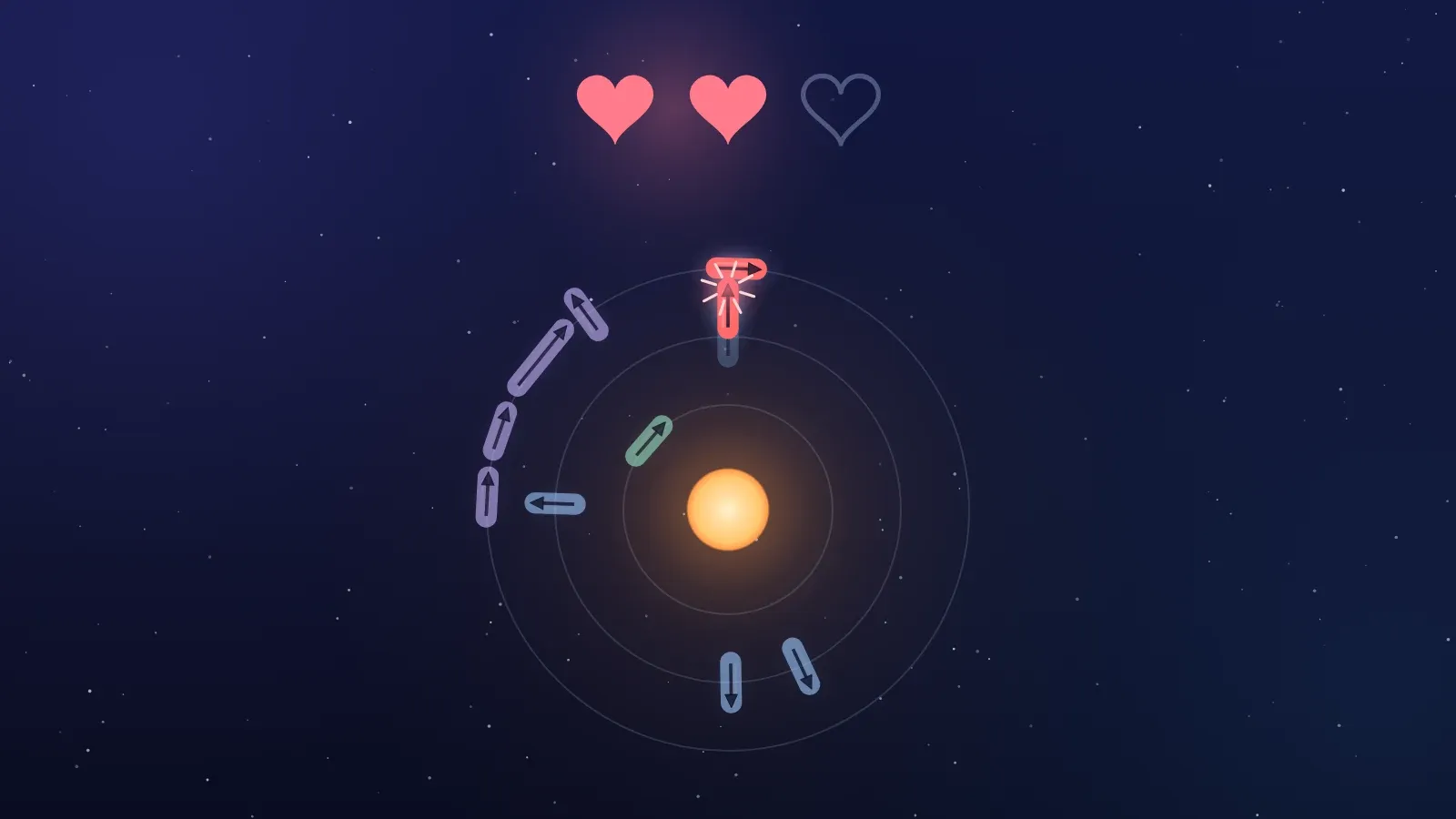
Learn Apsis on its first five skies: tap an arrow and it flies straight out if its way is clear, or bounces back and costs one of your three hearts.
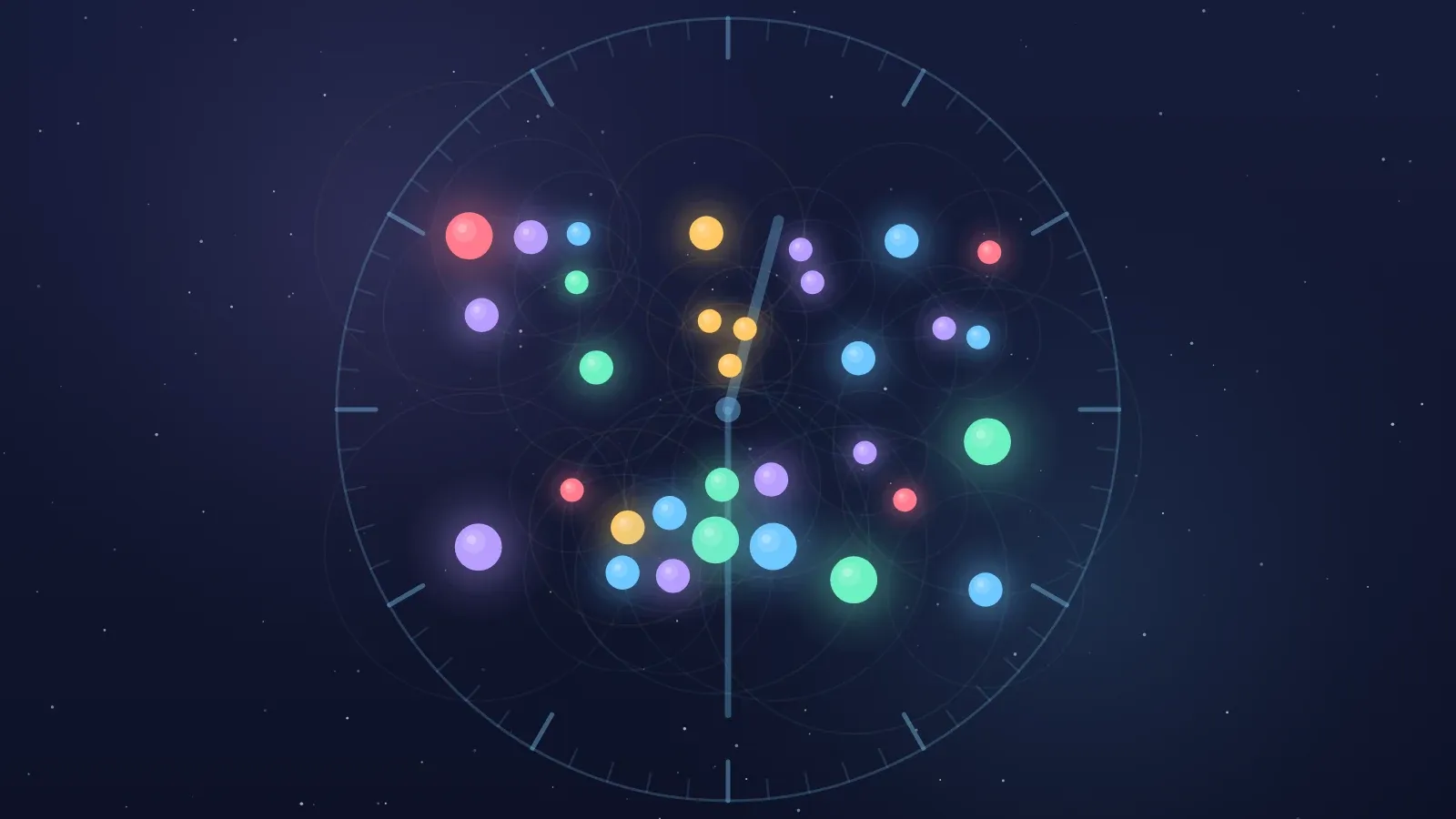
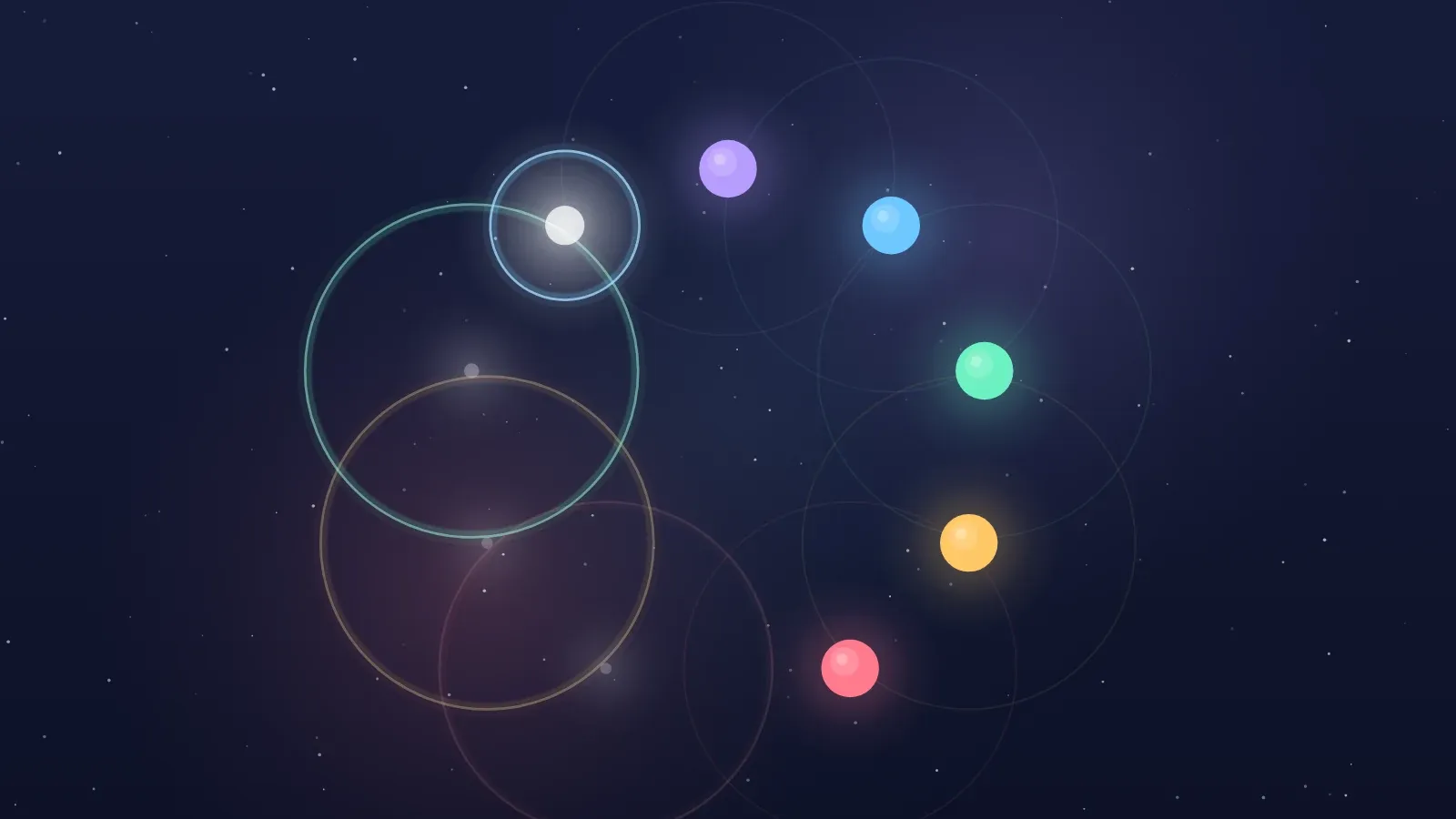
Learn Carillon by following one chain across the first field: a ring pops every dot it reaches, every pop rings a note, and reading the field is the whole game.
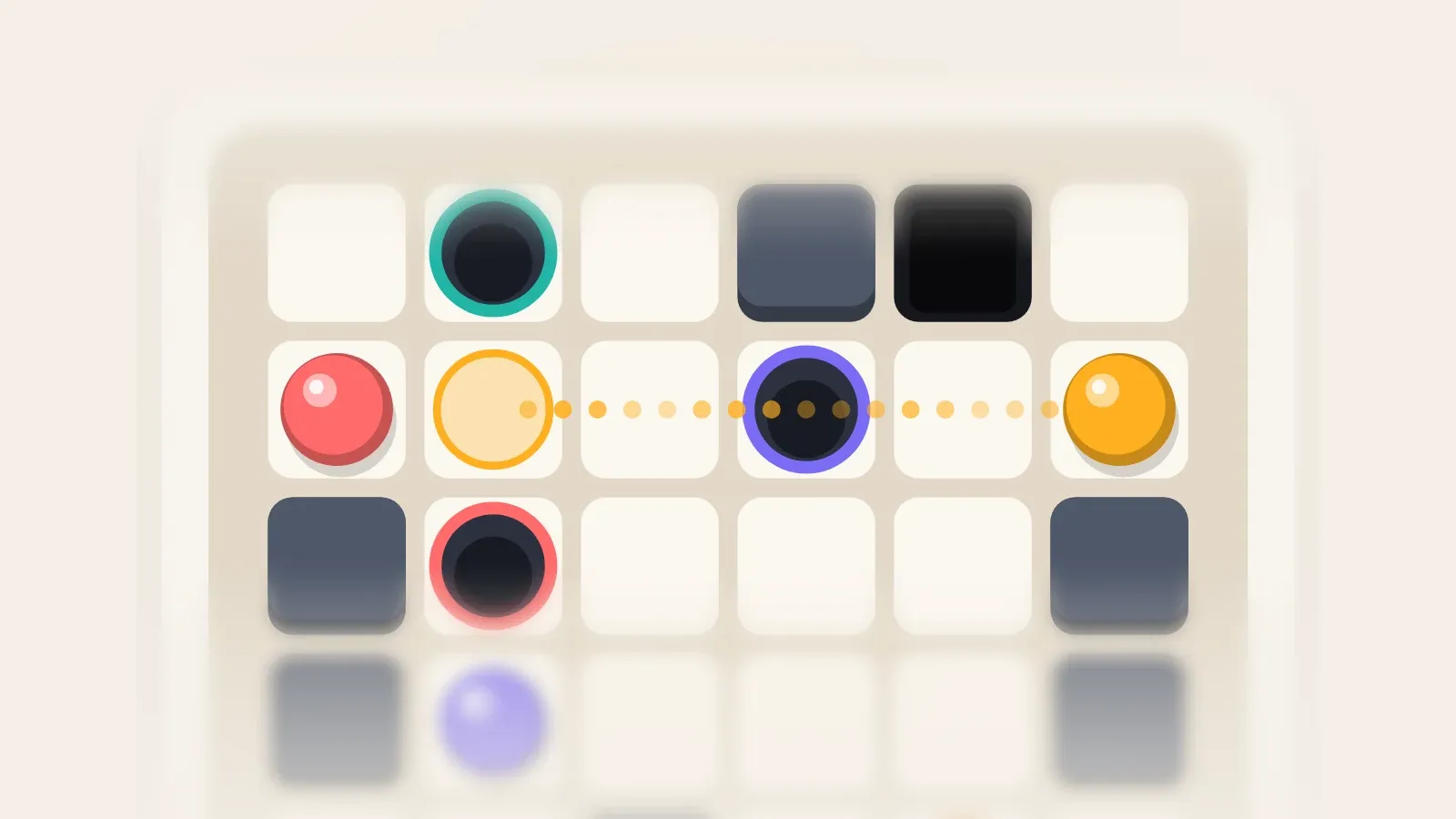
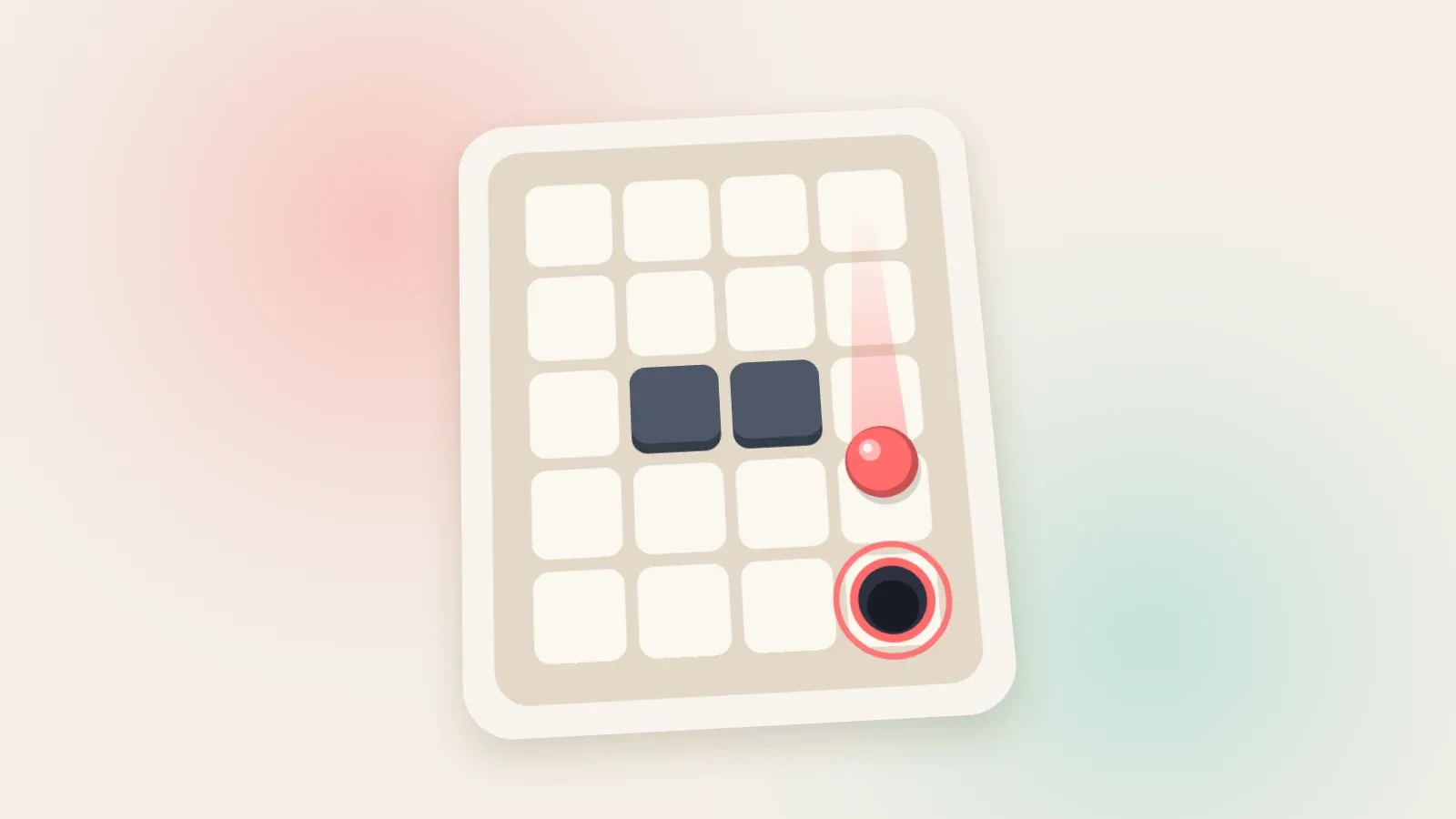
Plumb's rules, taught by its first real boards: swipe to tilt, every marble rolls until something stops it, and each one drops into the hole of its own colour.